Introduction: The Evolution of Classic Car Bumpers
When people think of classic cars, they often imagine polished chrome, elegant curves, and powerful engines. However, one essential component that defines both style and safety is the car bumper. Understanding what old classic car bumpers were made of provides valuable insight into automotive history, design evolution, and restoration practices.
Early Vintage Car Bumpers: Decorative Beginnings
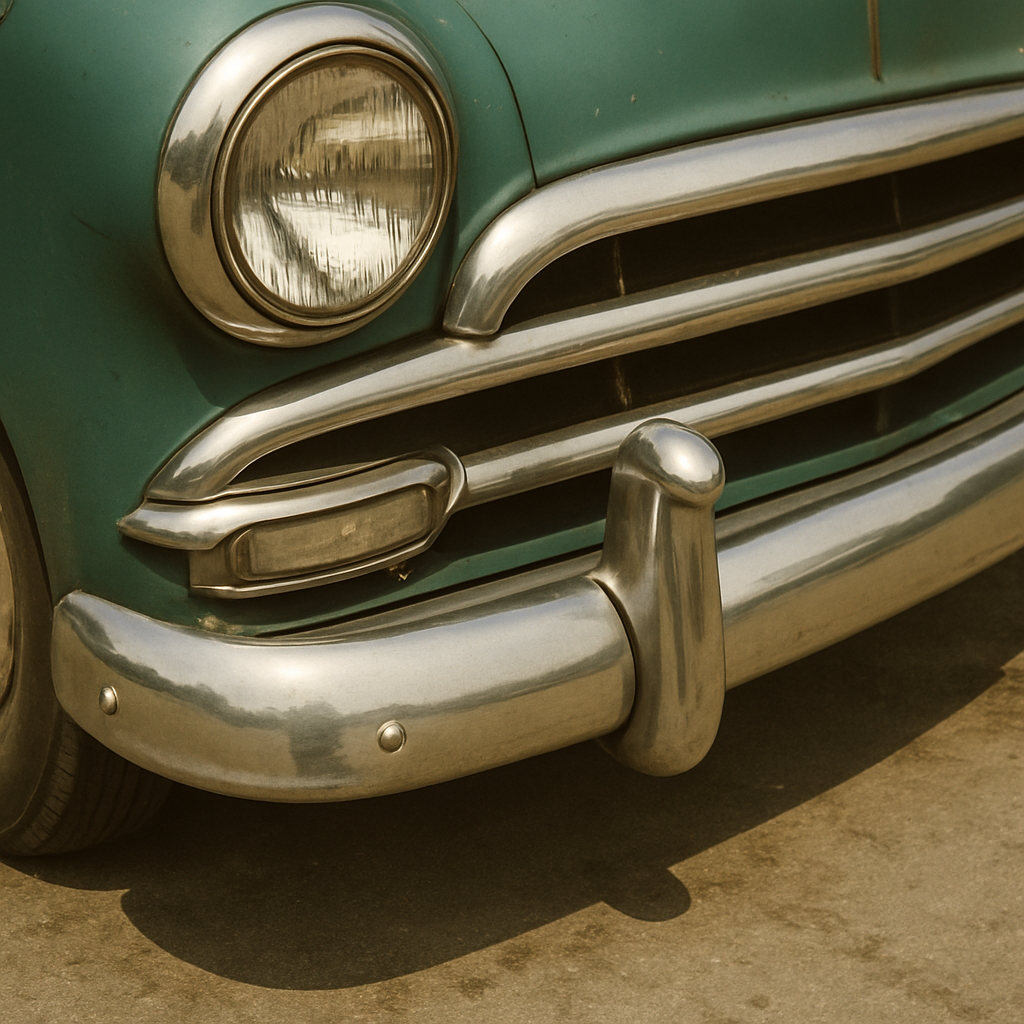
Cast Iron Bumpers in Early Automobiles
The earliest vintage car bumpers from the early 1900s were primarily made of cast iron. These cast iron bumpers were durable but extremely heavy and offered minimal impact absorption. At the time, their purpose was more decorative than functional, adding a rugged aesthetic to early vehicles.
The Rise of Steel Bumpers in Classic Cars
By the 1920s, steel bumpers became the industry standard. Compared to cast iron, steel provided a better balance between strength, weight, and cost.
Key advantages of steel car bumpers included:
- Improved durability
- Lower manufacturing costs
- Easier mass production
These bumpers were often painted to match the vehicle, enhancing overall design consistency.
Chrome Bumpers: The Iconic Classic Look
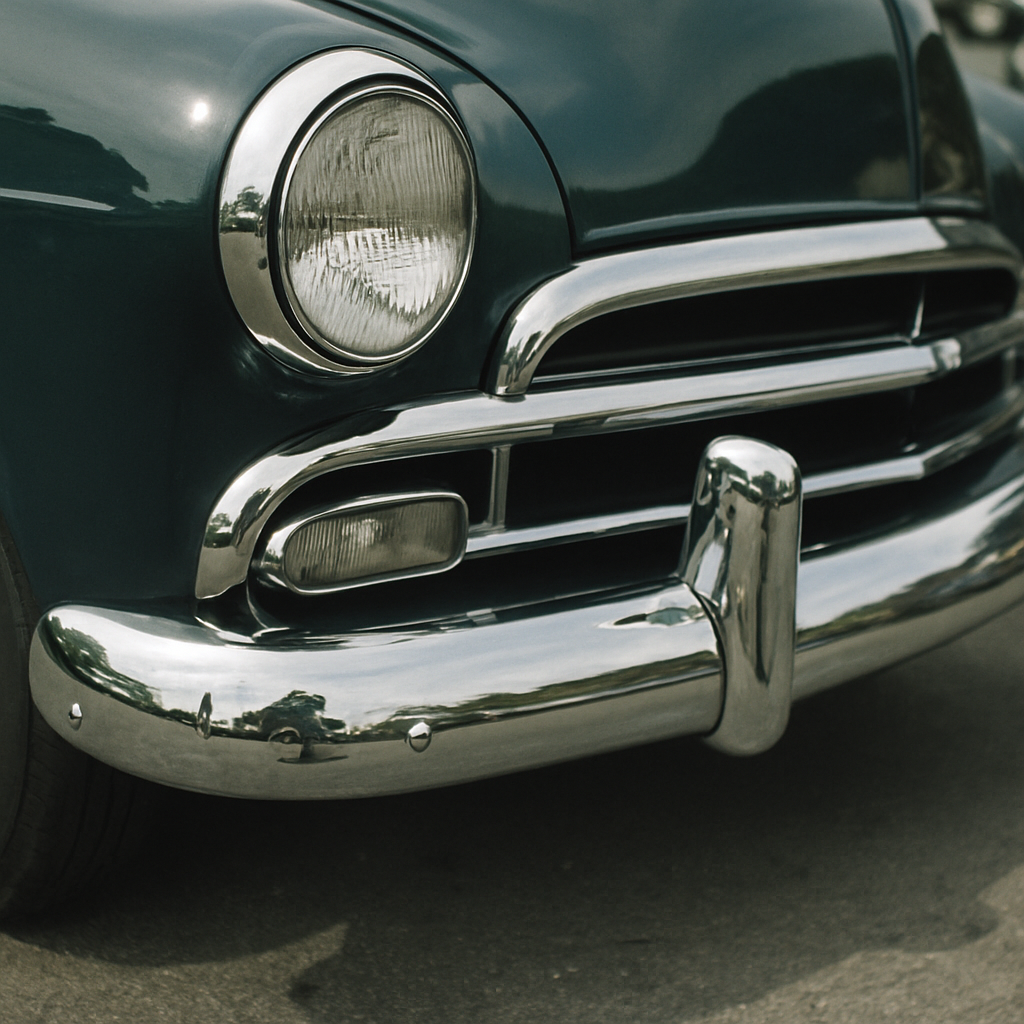
Popularity of Chrome-Plated Bumpers
During the 1930s and 1940s, chrome bumpers became a defining feature of classic cars. The shiny, reflective finish symbolized luxury and sophistication, making it a staple in antique car exterior parts.
Benefits of Chrome Plating
- Enhanced visual appeal
- Increased corrosion resistance
- Improved surface durability
Chrome plating involves coating a metal base—usually steel—with a thin chromium layer, creating the iconic glossy finish associated with classic car bumpers.
Post-War Innovations in Car Bumper Materials
Aluminum Bumpers in Mid-Century Cars
In the 1950s and 1960s, manufacturers began experimenting with aluminum bumpers. These were lighter than steel, helping improve fuel efficiency and handling, although they lacked the same strength.
Introduction of Plastic and Fiberglass
By the late 1960s and early 1970s, plastic and fiberglass bumpers started appearing. These materials are offered:
- Better flexibility
- Improved impact absorption
- Reduced vehicle weight
However, they were less durable and more prone to environmental damage compared to metal bumpers.
The Shift Toward Safety: Energy-Absorbing Bumpers
With increasing vehicle speeds, safety became a priority. In the 1970s, regulations led to the development of energy-absorbing bumpers.
These modernized automotive bumpers typically include:
- Metal reinforcement bars
- Plastic outer covers
- Foam or shock-absorbing materials
This combination significantly improves collision safety and reduces damage.
Classic Car Bumper Restoration and Reproduction
Restoring Vintage Car Parts
Restoring classic car bumpers involves processes such as:
- Rust removal
- Dent repair
- Re-chroming
Collectors often aim to maintain authenticity using original materials and techniques.
Modern Reproduction Bumpers
For convenience, many enthusiasts opt for reproduction car bumpers. These use modern materials while preserving the vintage appearance, offering:
- Improved durability
- Easier installation
- Lower maintenance requirements

FAQ About Old Car Bumpers
What were old car bumpers made of?
Early bumpers were made from cast iron, later replaced by steel, and eventually enhanced with chrome plating and lighter materials like aluminum and fiberglass.
Why were chrome bumpers so popular?
Chrome bumpers provided a shiny, stylish finish while also protecting against rust, making them both functional and visually appealing.
Are steel bumpers better than plastic ones?
Steel bumpers are stronger and more durable, while plastic bumpers are lighter and better at absorbing impacts in modern vehicles.
Can classic car bumpers be restored?
Yes, vintage car bumpers can be restored through cleaning, repairing, and re-plating, helping maintain their original look.
Are reproduction bumpers a good option?
Modern reproduction bumpers offer the classic appearance with improved materials, making them a practical choice for restoration projects.
Conclusion
The evolution of classic car bumpers reflects the broader development of automotive technology—from heavy cast iron to sleek chrome and modern composite materials. Each stage introduced improvements in design, durability, and safety.
Whether you’re restoring a vintage vehicle or simply exploring automotive history, understanding these materials helps you appreciate the craftsmanship behind every classic car.