
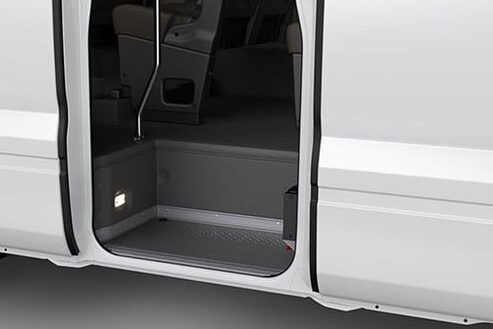
Have you ever paused to consider the intricacies tucked away within your car door? Beyond its role as a mere entryway, the door of a vehicle is a complex assembly of components working in harmony. While we might take them for granted, each part plays a crucial role in ensuring safety, comfort, and convenience as we glide down highways or navigate city streets. From the subtle click of a lock to the seamless roll-up of a window, these everyday actions rely on the perfect orchestration of numerous elements within all parts of a car door.
It’s fascinating to realize that something as seemingly straightforward as a car door houses such multifaceted engineering. Beneath the sleek exterior lies a world of mechanisms and technology designed to protect, engage, and enhance our driving experience. Whether you’re a seasoned car enthusiast or a curious everyday driver, uncovering the hidden complexities of a car door will surely deepen your appreciation for this intricate piece of machinery. Join us as we explore each component, demystifying the art and science that’s concealed in plain sight.
The Exterior Panel
The exterior panel of a car door is more than just a sheet of metal wrapped in paint—it’s the guardian of what’s beneath. Crafted from steel, aluminum, or composite materials, this panel provides the first line of defense against impacts, weather, and road debris. Its contours and finishes are meticulously designed to blend with the vehicle’s body lines, optimizing aerodynamics while delivering a sleek aesthetic. Beneath the panel lies a sophisticated layout of bracing and reinforcement beams, ensuring the door maintains structural integrity during a collision. Durable coatings and corrosion-resistant treatments are applied to the inner side to combat rust, extending the lifespan of the panel and keeping it looking pristine.
When you remove the exterior panel, you’ll find a neatly organized array of all parts of a car door housed within. Integrated mounting points accommodate side mirrors, trim pieces, and sensors, while hidden cavities route wiring for power windows and central locking systems. This panel isn’t just a cover—it’s a precision-engineered shield that balances weight, strength, and design. Even its resonance characteristics are tuned to reduce wind noise and vibration, making your ride quieter and more comfortable. In short, the exterior panel is a silent hero, harmonizing visual appeal with functional prowess to set the stage for everything that operates inside the door.
Window Regulator and Motor
At the heart of every modern car door’s convenience is the window regulator and motor assembly. Whether you press a button or crank a handle, this mechanism translates motion into the smooth, controlled movement of the glass pane. Regulators come in several designs—scissor-type, cable-driven, or track-guided—all engineered to minimize friction and wear. The choice of design affects how quietly and quickly the window travels up or down, as well as how evenly it seals against the weatherstripping.
In power windows, a small electric motor, connected via a gearbox, supplies the torque needed to lift the glass. Advanced systems incorporate limit switches and load sensors to prevent overtravel or pinching hazards. These motors draw modest current yet deliver reliable performance in varied temperatures, from scorching summer heat to freezing winter chills. Regular lubrication of sliding channels and periodic inspection of cables or gears can prevent squeaks, binding, or slow response—ensuring your regulator and motor work in concert to provide effortless operation for years to come.
Weatherstripping and Sealing
Weatherstripping forms the door’s airtight barrier, guarding the cabin against water, dust, and wind noise. Crafted from durable EPDM rubber or specialized foam composites, seals run along the door perimeter, around the glass channel, and along drain rails. These multi-lip seals compress to create a snug fit, while hidden water channels direct runoff away from the interior. Their elasticity allows repeated opening and closing without permanent deformation, while UV- and ozone-resistant formulations fend off cracking in harsh sunlight.
Beyond repelling the elements, proper seals contribute to thermal insulation, reducing heat transfer and improving climate control efficiency. Over time, however, seals can lose resilience, shrink, or develop tears, leading to drafts and water leaks. Routine cleaning and application of rubber conditioners help maintain flexibility, preventing common problems like rattles or squeaks. When replacement is necessary, precision-cut strips or custom-molded seals restore the factory fit, ensuring your door remains a fortification against the environment.
Hinges and Door Checkers
Hinges are the unsung workhorses that anchor the door to the vehicle’s frame. Typically made from high-strength steel with corrosion-resistant coatings, door hinges are designed to bear the door’s weight while allowing smooth rotation. Pin-and-bushing or ball-joint designs enable precise alignment, minimizing panel gaps and preventing sagging over time. Adjustable mounting holes ensure technicians can fine-tune door fitment during assembly or repair, preserving consistent shut lines and latch engagement.
Complementing the hinges, door checkers or stops regulate how far a door swings open. These ratcheting mechanisms—either cable-style or articulated arms—hold the door at preset positions, preventing it from swinging freely in wind or sloping terrain. By controlling the opening angle, checkers safeguard the door’s edges from impact and protect nearby objects or bystanders. Regular lubrication of hinge pins and periodic inspection of the stop’s teeth or cable prevent wear-induced play, keeping every door movement as deliberate and safe as possible.
Conclusion: The Harmonious Symphony of Components
Every element of a car door, from the exterior panel to the tiniest hinge pin, works in unison to deliver safety, comfort, and convenience. These components—often hidden from view—rely on precise engineering and regular upkeep to function flawlessly.
By understanding the roles of the panel, regulator, seals, and hinges, you gain a deeper appreciation for the complex choreography behind each opening and closing motion. Next time you slide into the driver’s seat, take a moment to acknowledge the remarkable assembly beneath the skin of your vehicle’s door.


 English
 Русский
 Español
 Français
 Deutsch