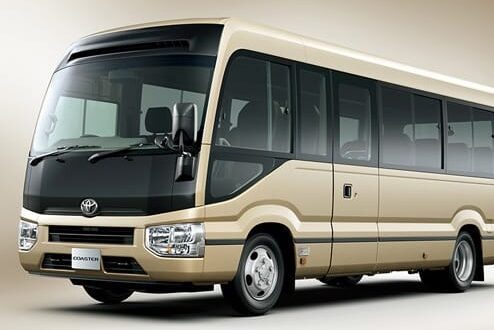
Imagine this: You’re on a scenic road trip, your Coaster bus gliding smoothly along winding highways with the sun setting in a blaze of colors behind the horizon. But then, a sudden scrape or a minor collision could turn this serene journey into a stressful ordeal. This is where the marvel of a durable bumper for Coaster buses becomes a crucial asset. More than just an aesthetic feature, these bumpers are designed to withstand impacts, ensuring that your vehicle remains unharmed while maintaining its pristine condition. It’s time to explore why upgrading now could save you both time and money in the long run.
In a world where safety and efficiency are paramount, investing in a robust bumper upgrade isn’t just an option—it’s a necessity. With more vehicles on the road than ever before, the risk of accidents, unfortunately, increases, but a well-crafted bumper acts as your silent guardian. Beyond providing protection, it also enhances the structural integrity of your bus. Dive into this exploration of durable bumper magic and discover how this simple yet vital modification can revolutionize your driving experience, ensuring every journey remains as memorable and stress-free as planned.

The Importance of Durable Bumpers for Coaster Buses
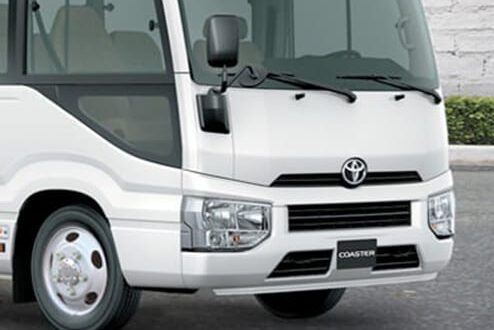
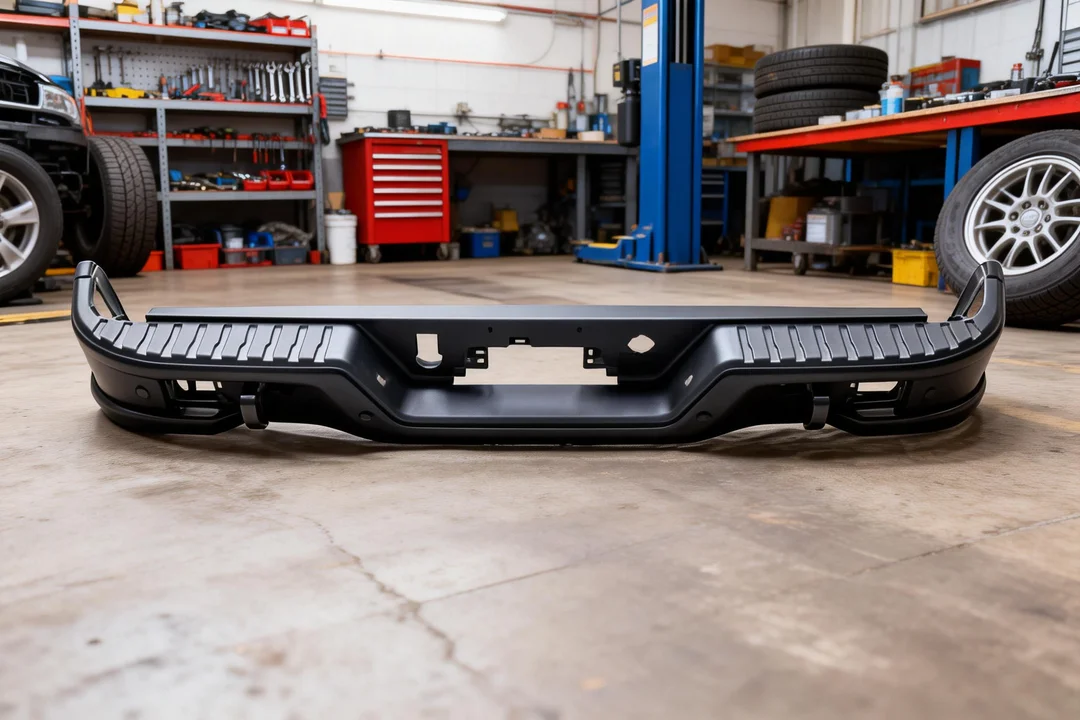
When it comes to passenger transport, safety is the cornerstone of every journey. Coaster buses, often tasked with shuttling tourists, office commuters, and schoolchildren alike, face a variety of road hazards—from minor scrapes in crowded parking lots to unexpected low-speed collisions in urban traffic. A durable bumper for Coaster Bus: Upgrade Now not only absorbs impact forces but also protects critical components like headlights, radiators, and suspension systems. This safeguard translates directly into reduced downtime for repairs, fewer maintenance costs, and minimized disruption to schedules—all vital for fleet operators striving to maintain reliability and customer satisfaction.
Beyond impact resistance, modern bumper designs contribute to a bus’s structural integrity. In the event of a collision, a sturdy bumper can help distribute crash forces more evenly across the frame, reducing deformation of the chassis and ensuring the bus’s body shell retains its shape. This not only preserves the vehicle’s resale value but also enhances passenger safety by maintaining proper crumple zones and preventing energy from transferring abruptly to the cabin. Given increasing traffic densities and the rising cost of bus repairs, investing in a resilient bumper upgrade is an essential precaution—one that pays dividends in both safety and long-term cost savings.
Types of Materials Used in Durable Bumper Construction
Choosing the right material for a Coaster bus bumper is a balance between strength, weight, cost, and corrosion resistance. High-strength steel has long been the industry standard, prized for its superior impact absorption and affordability. However, steel is prone to rust over time, requiring protective coatings or galvanization to extend service life. For operators seeking a lighter alternative, aircraft-grade aluminum alloys offer a favorable strength-to-weight ratio and excellent corrosion resistance, though at a higher upfront cost.
Emerging composite materials—such as fiberglass-reinforced polymer (FRP) and thermoplastic elastomers—combine durability with flexibility. These materials can flex under impact rather than crack, returning to their original shape with minimal damage. Rubber and polyurethane bumpers also serve as energy-absorbing buffers, especially effective for preventing low-speed dents and scratches in tight-loading dock environments. Ultimately, understanding the trade-offs between material properties and operating conditions will guide you toward the best bumper solution for your Coaster fleet.
Factors to Consider When Choosing a Durable Bumper
Selecting an ideal bumper for your Coaster bus requires a comprehensive assessment of operational needs and environmental challenges. Begin by evaluating impact scenarios: Are you frequently maneuvering in congested city streets or patrolling off-road tourist routes? The nature and frequency of low-speed bumps versus occasional higher-speed impacts will influence whether a rigid steel or a more flexible polymer solution is appropriate. Next, consider budgetary constraints. While premium materials like composites demand higher upfront investment, they can yield savings in reduced maintenance and longer service intervals.
Other critical factors include mounting compatibility, weight limitations, and aesthetic preferences. A heavy steel bumper might offer maximum strength, but it could also increase overall vehicle weight, impacting fuel efficiency and handling. Conversely, lighter alternatives may require reinforced mounting brackets or additional support structures. Don’t overlook corrosion resistance if your buses operate in coastal or winter-salt regions. Finally, partner with reputable manufacturers who provide warranties and documented crash-test results, ensuring that your investment in a durable bumper for Coaster Bus: Upgrade Now truly delivers on its promises.
Installation Process of Durable Bumpers on Coaster Buses
Installing a bumper on a Coaster bus is a multi-step process that can be handled by experienced technicians or qualified DIY enthusiasts with access to proper tools. First, gather necessary equipment: torque wrenches, socket sets, jacks or lifts, alignment tools, and rust inhibitors. Always begin by securing the vehicle on level ground and applying wheel chocks. Remove the existing bumper carefully, detaching electrical connections for fog lamps or sensors if present. Inspect mounting brackets and the frame for any signs of fatigue or corrosion, addressing these issues before installing the new bumper.
Next, position the replacement bumper—ideally with a second person to ensure accurate alignment—and loosely fasten mounting bolts. Gradually tighten bolts in a star pattern to the torque specifications provided by the bumper manufacturer. Reconnect any wiring harnesses and fog lamps, then test all lights and sensors for proper function. Finally, apply rust-preventive coatings around bolt heads and exposed metal surfaces. A well-executed installation not only ensures optimal protection but also maintains the precise geometry required for modern crash-energy management systems.
Maintenance Tips to Prolong the Lifespan of Durable Bumpers
Routine care extends the protective capabilities of your Coaster bus bumper and prevents minor blemishes from turning into costly repairs. Start by performing weekly visual inspections, checking for signs of impact damage, loose fasteners, or corrosion spots. Tighten mounting bolts occasionally to maintain consistent clamping force, especially after off-road excursions or heavy-duty service. When the bumper endures minor scratches or scuffs, clean the area thoroughly with a mild detergent and water solution before applying touch-up paint that matches your bus’s exterior finish.
For bumpers made of steel, annual reapplication of rust-inhibitor sprays and protective wax can stave off oxidation. Composite and polymer bumpers benefit from UV-resistant coatings to prevent brittleness and discoloration under prolonged sun exposure. Avoid using harsh solvents or abrasive cleaners that could degrade seals or finish coatings. Finally, keep detailed maintenance records—documenting inspections, touch-ups, and any impact events—to track bumper performance over time and plan proactive upgrades when necessary. These straightforward practices ensure that your investment in a durable bumper continues to deliver maximum protection for every Coaster bus journey.
Conclusion: Embracing the Durable Bumper Magic for a Safe and Enjoyable Ride
Upgrading to a high-quality bumper transforms your Coaster bus into a more resilient and dependable vehicle, safeguarding both passengers and your bottom line. By investing in a Durable Bumper for Coaster Bus: Upgrade Now, you’re not only reinforcing your fleet’s durability but also enhancing overall safety and operational efficiency.
Whether you choose robust steel, lightweight aluminum, or advanced composite materials, selecting the right bumper and maintaining it properly will ensure every trip remains smooth, secure, and stress-free. Embrace this simple yet transformative enhancement and let your journeys shine as brightly as the sunsets on the open road.