
Imagine smoothly navigating through a busy cityscape, effortlessly aware of everything around you, thanks to a simple yet groundbreaking enhancement. That is the promise of cutting-edge rear view mirrors—an innovation that is quietly changing the way we drive.
In a world where technology continues to transform every aspect of our lives, vehicles are no exception. Modern rear view mirrors are no longer just tools for seeing what is behind the vehicle. Instead, they have evolved into intelligent driving assistants that integrate advanced features designed to improve safety, convenience, and connectivity.
As automotive technology continues to advance, traditional rear view mirrors are becoming smarter with features such as blind-spot monitoring, digital displays, and video streaming capabilities. For drivers who have experienced the frustration of blind spots or the stress of changing lanes in heavy traffic, these advanced mirrors provide a more confident and informed driving experience.
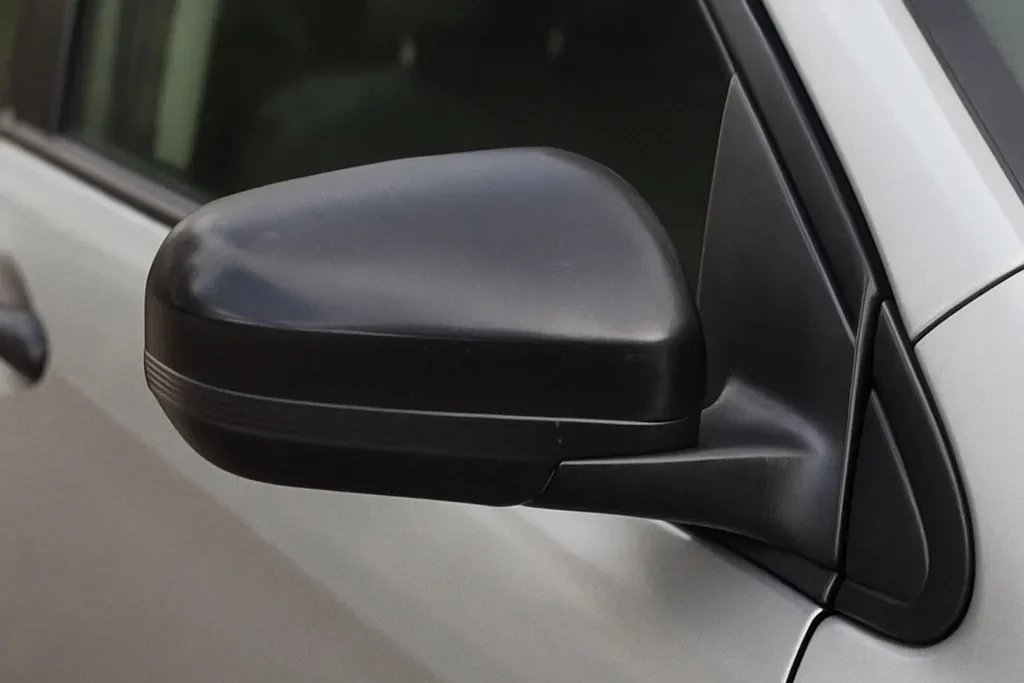
Evolution of Rear View Mirrors in Automotive Technology
The history of rear view mirrors dates back more than a century. Early automobile drivers quickly realized the importance of seeing what was happening behind them. To solve this problem, manufacturers introduced simple interior mirrors made from reflective glass.
Although these early designs were basic, they provided drivers with valuable rear visibility and laid the foundation for future safety improvements.
Development of Exterior Mirrors
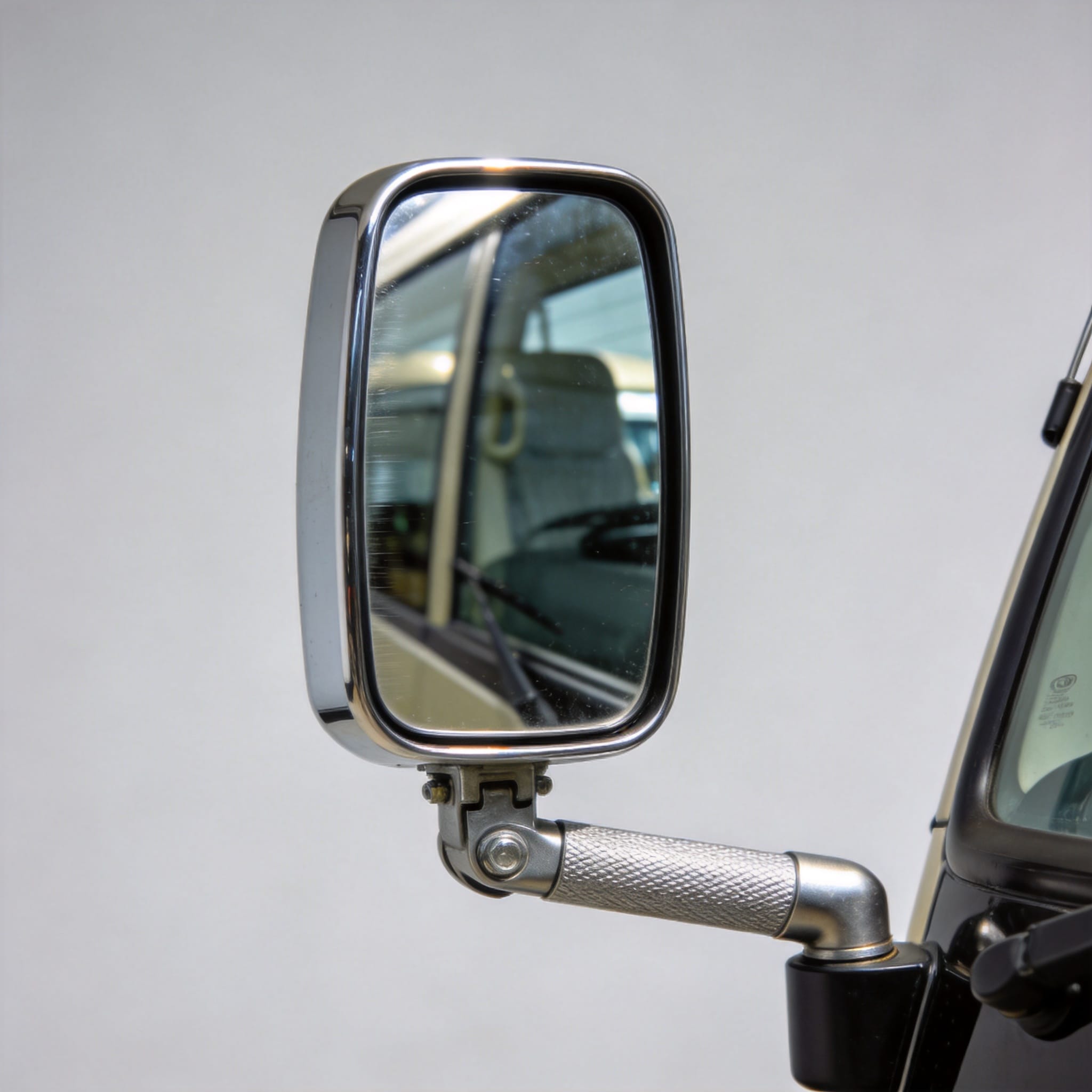
By the 1930s, some vehicles began using exterior side mirrors. These mirrors expanded the driver’s field of vision, but they still had limitations.
Common problems included:
- Manual adjustment requirements
- Limited visibility
- Glare from headlights at night
Despite these challenges, early exterior mirrors became an important step toward improving vehicle safety.
Introduction of Smart Mirror Features
During the 1970s and 1980s, automotive technology advanced significantly. Manufacturers introduced:
- Auto-dimming mirrors
- Electrochromic glass technology
- Integrated turn-signal indicators
Auto-dimming mirrors helped reduce glare from headlights, while side mirror indicators improved communication between drivers.
As technology became smaller and more affordable, rear view mirrors gained additional features, including:
- Temperature sensors
- Compass modules
- Garage door controls
A simple mirror gradually transformed into a multifunctional vehicle component.
Digital Transformation of Rear View Mirrors
In the early 2000s, digital technology created a new generation of rear view mirrors.
Cameras and LCD screens began replacing traditional reflective glass in some premium vehicles, providing:
- Wider viewing angles
- Improved nighttime visibility
- Reduced blind spots
- Clearer rear views
Today’s smart mirrors combine:
- LED lighting
- Embedded processors
- Wireless connectivity
- Advanced sensors
They have evolved from passive reflective devices into active safety systems that support modern driving.
Advanced Features of Cutting-Edge Rear View Mirrors
Modern rear view mirrors provide much more than a simple reflection.
Digital Display Systems
One of the biggest improvements is the integration of digital displays connected to high-resolution cameras.
These cameras may be:
- Mounted on the roof
- Installed near the rear of the vehicle
- Built directly into the mirror system
They provide a wider and clearer view of the road behind the vehicle, even in poor lighting conditions.
Some systems also allow drivers to:
- Adjust viewing angles
- Zoom in and out
- Reduce blind spots
This creates a safer and more flexible driving experience.
Augmented Reality Assistance
Some advanced mirrors use augmented reality technology to combine camera images with digital information.
These systems can display:
- Lane guidance lines
- Distance warnings
- Vehicle position information
By combining real-time visuals with helpful driving information, augmented reality mirrors make it easier for drivers to understand their surroundings.
Smart Connectivity Features
With Bluetooth and Wi-Fi connectivity, modern rear view mirrors can connect with smartphones and vehicle systems.
Drivers may access:
- Navigation information
- Incoming calls
- Messages
- Voice assistance
Built-in microphones and speakers also allow hands-free operation, improving convenience while keeping drivers focused on the road.
Additional Safety Functions
Some advanced rear view mirrors include:
- Temperature sensors
- Automatic light adjustment
- Built-in dash cameras
- AI-based recognition features
These functions help create a more intelligent and connected driving environment.
Enhancing Safety with Blind-Spot Monitoring

Blind spots have always been one of the biggest challenges for drivers. Traditional mirrors cannot eliminate hidden areas, creating risks during:
- Lane changes
- Merging
- Parking
- Reversing
To solve this problem, many cutting-edge rear view mirrors now include blind-spot monitoring systems.
Sensor-Based Warning Systems
These systems use technologies such as:
- Radar sensors
- Ultrasonic sensors
- Cameras
When another vehicle enters the blind area, the system alerts the driver through:
- Warning lights
- Sound alerts
- Steering or seat vibrations
These warnings help drivers react faster and avoid potential accidents.
Camera-Based Blind Spot Assistance
Some vehicles display camera images directly on the mirror screen.
This gives drivers an additional visual reference, almost like having another set of eyes while driving.
This technology is especially useful in:
- Heavy traffic
- Crowded urban areas
- Parking lots
- Areas with pedestrians
Intelligent Accident Prevention
Modern vehicles are becoming increasingly intelligent.
Advanced systems analyze:
- Vehicle speed
- Driving direction
- Surrounding traffic conditions
When a potential collision risk is detected, the system can warn the driver and, in some cases, provide additional assistance to help avoid accidents.
The traditional rear view mirror has transformed into a smart safety assistant that actively supports drivers.
Consumer Adoption and Market Trends
In the past, advanced rear view mirrors were mainly available in luxury vehicles. However, as technology costs decrease and demand for safer vehicles increases, these features are becoming more common across different vehicle categories.
Today, drivers can find:
- Digital mirrors
- Auto-dimming mirrors
- Camera-based mirror upgrades
not only in premium vehicles but also in mainstream models.
Aftermarket Smart Mirror Upgrades
Many vehicle owners are upgrading older cars with smart mirror systems.
Available aftermarket solutions include:
- Camera-equipped mirrors
- Blind-spot warning modules
- Digital rear-view displays
These upgrades allow drivers to improve vehicle safety and convenience without purchasing a new car.
Future Development of Smart Mirrors
The rear view mirror market continues to grow as automotive manufacturers focus on:
- Vehicle safety regulations
- Connected driving technology
- Artificial intelligence
- Smart vehicle systems
Future rear view mirrors may include:
- Cloud connectivity
- Over-the-air software updates
- Advanced AI processing
- Real-time traffic analysis
The rear view mirror is becoming just as intelligent as other vehicle systems.
FAQ About Cutting-Edge Rear View Mirrors
What is a smart rear-view mirror?
A smart rear-view mirror is an advanced vehicle mirror system that combines traditional mirror functions with cameras, digital displays, sensors, and connectivity features to improve visibility and safety.
How are digital rear-view mirrors different from traditional mirrors?
Digital rear-view mirrors use cameras and screens to provide a wider and clearer view, while traditional mirrors rely only on reflective glass.
Can smart rear-view mirrors reduce blind spots?
Yes. Many smart mirrors use cameras and sensors to monitor blind areas and provide visual or audio warnings when another vehicle is nearby.
Do smart rear-view mirrors work at night?
Yes. Many digital mirror systems use high-resolution cameras and enhanced imaging technology to improve visibility in low-light conditions.
Conclusion: Embracing the Transformation in Driving Experience
From simple reflective glass to intelligent sensor-based systems, rear view mirrors have experienced a remarkable transformation.
Today’s advanced rear view mirrors combine:
- Cameras
- Digital displays
- Smart alerts
- Connectivity features
to provide drivers with improved visibility, greater safety, and a more connected driving experience.
Whether installed in everyday vehicles, commercial vehicles, or luxury cars, modern rear view mirrors are redefining what drivers can expect from automotive technology.
A simple upgrade to a smart rear view mirror can significantly improve driving confidence, making every journey safer, easier, and more informed.


 English
 Русский
 Español
 Français
 Deutsch
