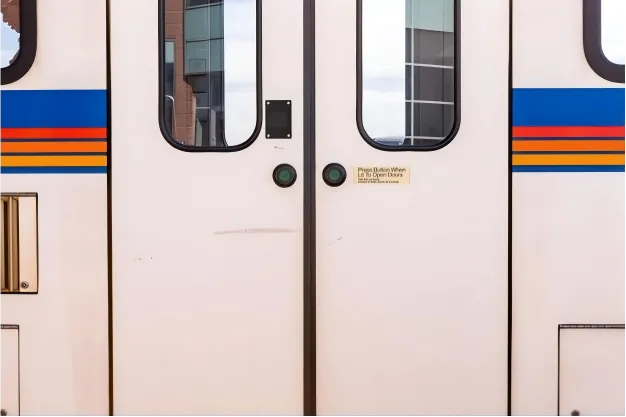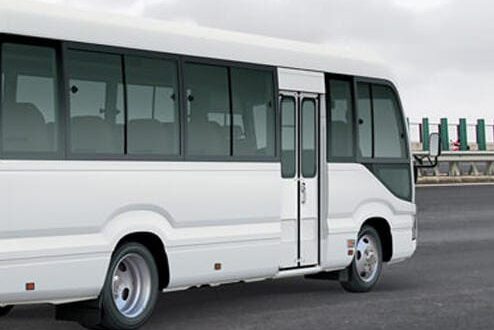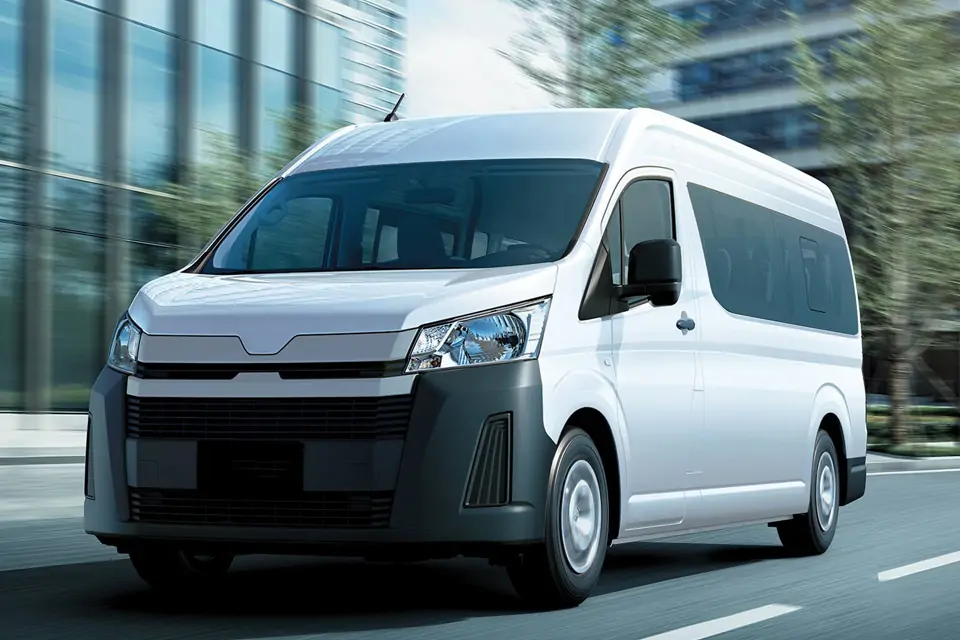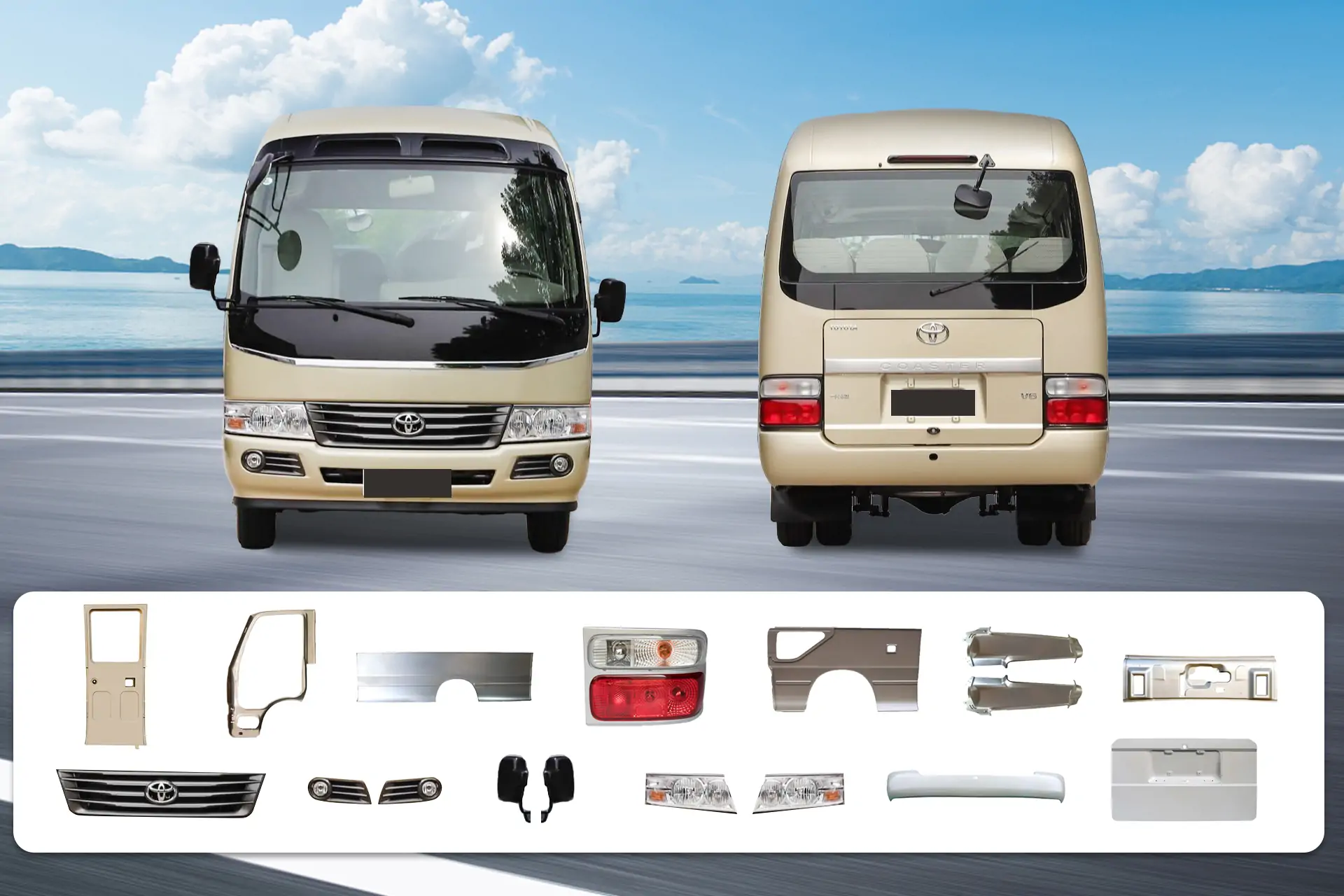

When was the last time you thought about the intricacy and skill that goes into crafting the body of a bus? In a world where efficiency and functionality tend to overshadow the art of manufacture, the realm of bus body parts manufacturer insights offers a fascinating glimpse into an industry that marries precision with creativity. This isn’t just about metal and machinery; it’s about the passion and expertise behind every curve and corner of a bus body. From the design stage to the final assembly, craftsmen work tirelessly to ensure that each bus is safe, durable, and aesthetically pleasing.
Consider the sheer variety of materials and techniques involved in building something as complex as a bus. It’s not just a matter of slapping together a few panels; it involves meticulous planning and execution, utilizing the latest innovations in materials science and engineering. As we delve deeper into the craftsmanship involved, we’ll uncover the stories behind the scenes—where expertise meets cutting-edge technology to produce vehicles that millions rely on daily. Let’s embark on this journey to appreciate the unsung heroes who shape the very backbone of public transportation.
Evolution of Bus Body Manufacturing Techniques
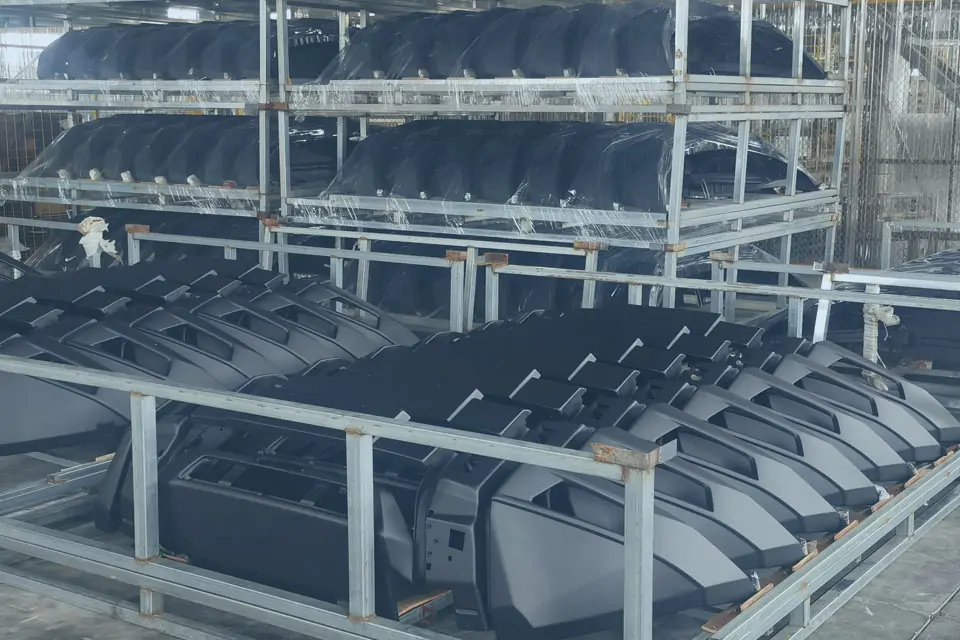
The art of bus body construction has evolved dramatically since the early days of carriage-like chassis and wooden coachwork. In the late 19th and early 20th centuries, artisans shaped wooden frames by hand, reinforcing them with steel brackets to carry passengers safely. Wood was readily available and easy to work with, but it required frequent maintenance and was prone to rot. By mid-century, bus body parts manufacturers began experimenting with steel panels, bolted chassis, and riveted joints. These metal bodies improved structural integrity and allowed standardization across fleets. As mass transit systems expanded in cities worldwide, standardization became vital for cost control and ease of repair.
By the 1970s and 1980s, welding techniques had matured, ushering in a new era of stronger, lighter bodies. Submerged arc welding, robotic welding cells, and precision jigs revolutionized assembly lines. The move toward modular design further streamlined production—entire side frames, roof sections, and front clips could be fabricated separately and then joined. This modular approach enabled customization for different regions, seating layouts, and accessibility features. Today’s bus body parts manufacturer leverages computer-aided manufacturing (CAM) and flexible robotic cells to produce bodies with minimal human error, faster cycle times, and enhanced safety standards. From handcrafted wooden prototypes to digitally programmed laser-cut steel, the evolution of bus body manufacturing techniques underscores the industry’s commitment to continuous improvement and innovation.
Materials Used in Bus Body Construction
Materials selection is at the heart of any bus body parts manufacturer’s strategy to balance weight, strength, cost, and durability. Traditionally, mild steel was the material of choice due to its affordability and ease of forming. However, steel is heavy and susceptible to corrosion, prompting the introduction of aluminum alloys in the late 20th century. Aluminum offers excellent strength-to-weight ratios and naturally forms a protective oxide layer, reducing corrosion risks. For fleets aiming to maximize fuel economy or extend electric bus range, aluminum frames often supersede steel counterparts, albeit at a higher upfront material cost.
In recent decades, composite materials such as fiberglass-reinforced plastic (FRP), carbon fiber, and sandwich panels have gained traction. These composites boast superior rigidity, impact resistance, and thermal insulation properties. They also resist dents and minor collisions, ideal for high-traffic urban routes. Some manufacturers combine aluminum extrusions with composite skin panels to create hybrid structures that leverage the best of both worlds.
Underbody panels, door components, and interior partitions may incorporate advanced polymers and fire-retardant laminates, enhancing safety and passenger comfort. Even adhesives and structural foams play crucial roles, bonding dissimilar materials and dampening vibrations. Ultimately, the judicious mix of metals, composites, and polymers ensures each bus body is fit for its intended operating environment, whether it’s bustling city streets or long-distance coach service.
Role of Technology in Enhancing Bus Body Durability
Advances in design software and simulation tools have transformed how bus body parts manufacturers predict and optimize durability. Engineers now use finite element analysis (FEA) to model stress, impact, and fatigue across every panel and joint. By simulating real-world loading scenarios—such as pothole impacts, side collisions, and torsional bending—design teams can reinforce critical areas before any physical prototype is built. This predictive approach reduces costly redesigns and ensures parts meet stringent safety standards.
Beyond design, modern manufacturing technologies such as laser cutting, robotic welding, and automated rivet insertion deliver consistent quality. Laser-guided cutting systems produce precise edges that fit together seamlessly, while computer-controlled welding ensures uniform penetration and minimal heat distortion. Some bus body parts manufacturers integrate Internet of Things (IoT) sensors into production lines, tracking temperature, humidity, and vibration in real time. These sensors alert operators to deviations that could compromise weld integrity or coating adhesion. Post-production, advanced coating technologies—like electrostatic powder coating and nano-ceramic treatments—add layers of corrosion protection, extending service life even in harsh climates. Collectively, these technological interventions elevate durability and reliability, ensuring each bus body can withstand years of demanding operation.
Quality Assurance Processes in Bus Body Production
Quality assurance is non-negotiable for any reputable bus body parts manufacturer. From raw material inspection to final paint finish, every stage demands rigorous checks. Incoming steel and aluminum sheets undergo mechanical and chemical analysis to verify composition and tensile strength. Composite panels are tested for bond integrity, moisture resistance, and flame retardancy. Automated optical scanners measure panel dimensions and alignment, ensuring sub-millimeter accuracy. Welding robots are subject to periodic calibration checks, and spot welds are randomly peeled to confirm adhesion. These traceable processes ensure that only components meeting exacting standards proceed to assembly.
As the bus body takes shape, inspectors perform non-destructive testing (NDT) methods such as ultrasonic scanning and dye penetrant inspection to detect internal flaws. Once assembled, the complete body enters a climatic test chamber, exposing it to temperature and humidity cycles that replicate extreme service conditions. Paint quality is evaluated using adhesion tests, impact resistance, and salt spray exposure to simulate road salt and coastal environments. Finally, a full-vehicle inspection checks alignment, door operation, window seals, and electrical systems. Buses only leave the factory once a certified quality team verifies compliance with international standards such as ISO 9001 and FMVSS. This comprehensive quality assurance regimen ensures every bus rolling off the line offers top-tier safety, durability, and passenger comfort.
Conclusion: Honoring the Craftsmanship Behind Every Bus Body
From the earliest wooden coaches to today’s sophisticated modular aluminum-and-composite structures, the craft of bus body manufacturing has come a long way. Each evolution in materials, technique, and technology reflects the dedication of bus body parts manufacturers to elevate safety, performance, and durability.
By embracing cutting-edge design tools, automated production, and stringent quality checks, these artisans and engineers continue to shape the future of public transportation. Every bus body that hits the road is a testament to their passion, skill, and unwavering commitment to excellence.