
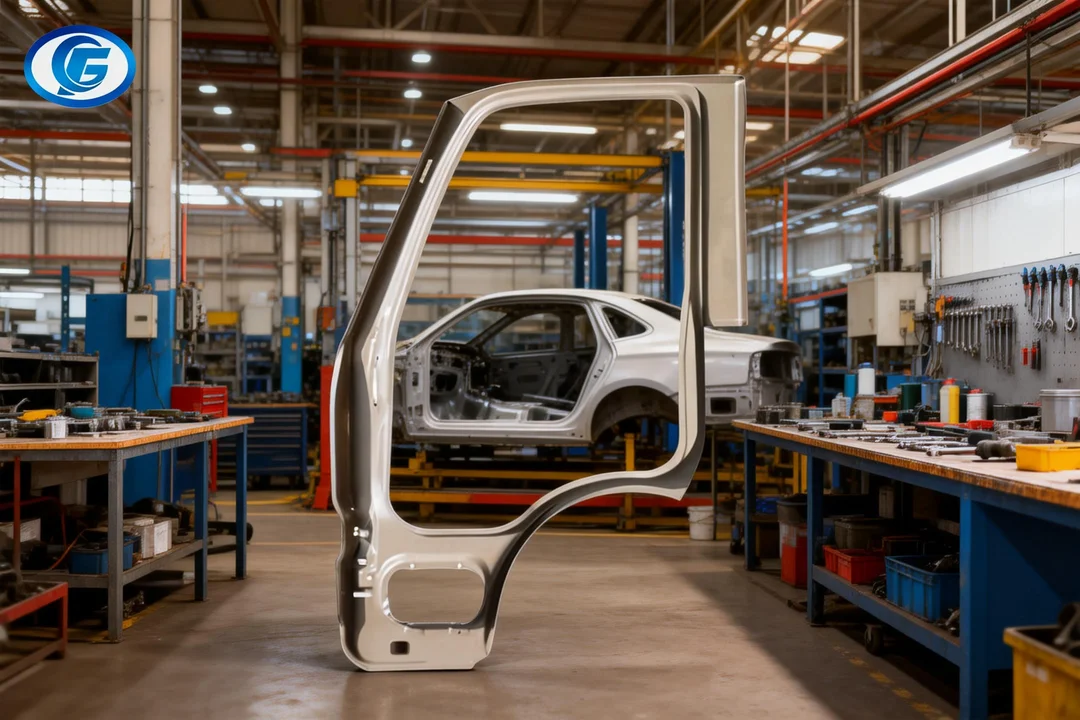
Have you ever been curious about the hidden mechanics behind the sleek design of your car doors? Understanding the intricate layout of an interior car door parts diagram can be like uncovering a secret blueprint that holds the key to both functionality and convenience. Whether you’re a car enthusiast eager to deepen your automotive knowledge or a curious driver wanting to troubleshoot minor issues, diving into the details of these diagrams can transform your understanding of what lies beneath your car’s polished exterior.
Imagine being able to identify each component by merely glancing at a diagram, demystifying the complexities of your vehicle’s structure. From the power window controls to the intricate locking mechanism, each part has a distinct role in the seamless operation of your car doors. By exploring this blueprint, not only do you gain insight into the engineering marvels of modern vehicles, but you also empower yourself with practical knowledge for maintenance and repair. Join us as we unlock the secrets of your ride, part by part.
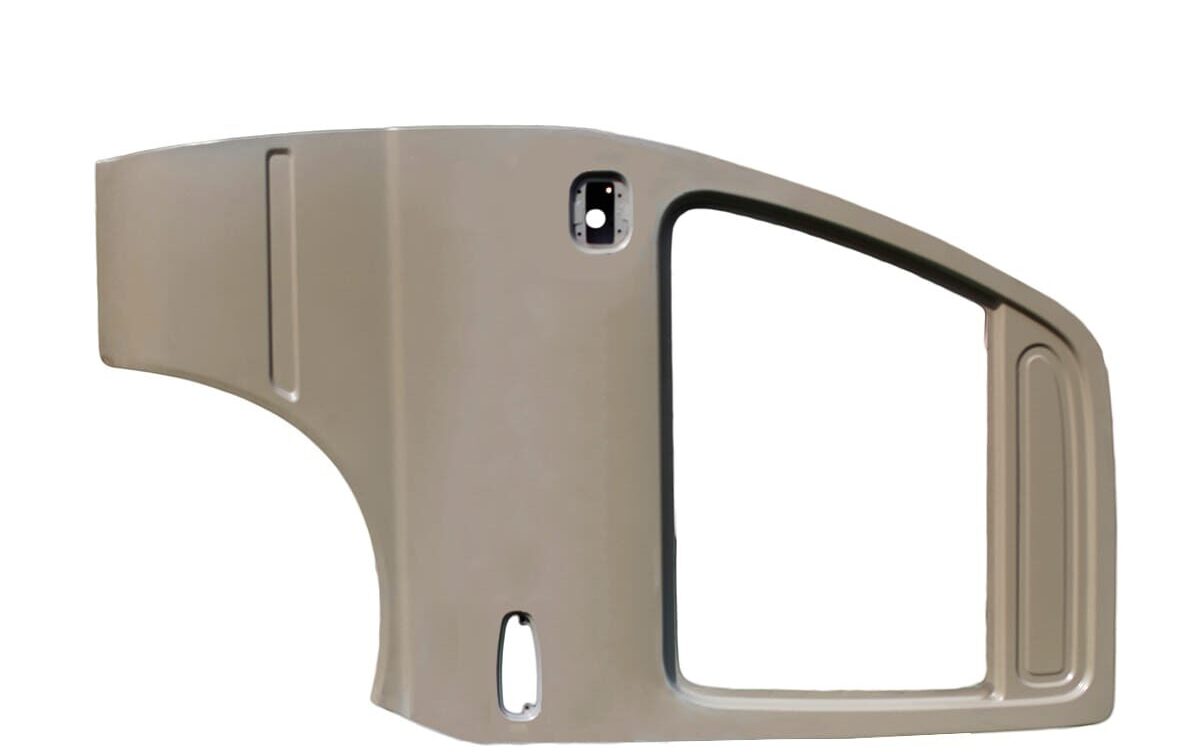
Overview of Interior Car Door Parts
At first glance, a car door may seem like a simple barrier between passengers and the open road, but an interior car door parts diagram reveals a complex assembly of components working in harmony. The outer shell, inner panel, and weather stripping are just the beginning. Behind the door panel lies a network of mechanical and electrical systems, including the window regulator, lock actuator, wiring harness, speaker assembly, and insulation material. Each of these parts has a specific function, contributing to comfort, safety, and convenience.
Starting with the door panel itself, manufacturers design it to conceal and protect the internal mechanisms while offering aesthetic appeal. Beneath this layer, the window regulator and motor operate the raising and lowering of the glass. The lock actuator engages the locking mechanism, controlled electronically in modern vehicles. Wiring harnesses deliver power and signal to switches, lights, and speakers, while insulation and vapor barriers reduce noise and moisture intrusion. A proper understanding of the interior car door parts diagram helps you pinpoint issues quickly, whether you’re replacing a faulty speaker or fixing a failing window motor.
Delving into the Power Window Mechanism
The power window mechanism is one of the most frequently used systems hidden behind your car’s door panel. It consists of a window motor, regulator (either scissor-type or cable-driven), switches, and wiring. Understanding how these elements interact can help diagnose why your window might be slow, stuck, or completely unresponsive. Regular wear and tear on gears, misalignment of tracks, or electrical issues in the wiring harness are common culprits.
Inside the door cavity, the motor receives an electric signal when you press the window switch. That signal travels through the wiring harness to activate the motor, which then turns gears or winds cables to move the regulator up or down. Scissor-type regulators use a pivoting arm system, while cable-driven ones employ steel cables running on pulleys. Both styles require lubrication and alignment checks to operate smoothly. By referring to an interior car door parts diagram, you can visualize the precise location of these components and address problems more efficiently.
The Role of Interior Handles and Latches
Interior handles and latches may seem like simple components, but they play a crucial role in vehicle safety and user experience. The interior handle is directly connected to a rod or cable linked to the latch mechanism. When you pull the handle, it pivots or pulls on this linkage, releasing the latch and allowing the door to open. A malfunctioning handle or latch can pose a safety risk, so understanding their construction through an interior car door parts diagram is essential for reliable repair.
Modern vehicles often integrate child safety locks, which disable the interior handle’s motion to prevent accidental opening. The latch assembly typically contains springs, pawls, and catches that must align perfectly to secure the door shut. Over time, dirt, corrosion, or misadjustment can cause stiffness or failure in these small parts. By inspecting the interior car door parts diagram, you can locate the exact position of the handle linkage and latch assembly. This knowledge allows you to lubricate moving parts, replace broken springs, or adjust the alignment to ensure smooth operation and passenger security.
Maintenance Tips for Interior Car Door Parts
Regular maintenance of interior car door parts not only prolongs their lifespan but also prevents inconvenient breakdowns. Begin by removing the door panel carefully—using the interior car door parts diagram as your guide—to avoid damaging clips and fasteners. Once exposed, inspect the window regulator and motor for signs of wear or binding. Apply a silicone-based lubricant to the tracks and moving joints to ensure smooth window operation. Clean and protect electrical connectors with dielectric grease to prevent corrosion and intermittent faults.
Next, check the latch assembly and handle linkage. Use a light penetrating oil to free up any stiff springs or pivot points. Adjust the latch striker on the door frame if the door doesn’t close flush or if you hear rattles while driving. Inspect the weather stripping and seals around the door to prevent water ingress and wind noise. Finally, test all switches, lights, and speakers mounted on the door, verifying their connections against the interior car door parts diagram. A little preventive care goes a long way in maintaining comfort, safety, and functionality in every ride.
Conclusion: Mastering Your Car’s Door Mechanics
Exploring an interior car door parts diagram gives you the confidence to tackle common repairs and maintenance tasks. With a clear understanding of the components—from the window regulator and motor to handles, latches, and wiring harnesses—you’re better equipped to keep your doors functioning smoothly and safely.
Whether you’re a DIY enthusiast or simply aiming to communicate more effectively with your mechanic, this knowledge transforms mysterious assemblies into familiar systems. Embrace this blueprint, and you’ll master your ride’s door mechanics in no time.


 English
 Русский
 Español
 Français
 Deutsch