
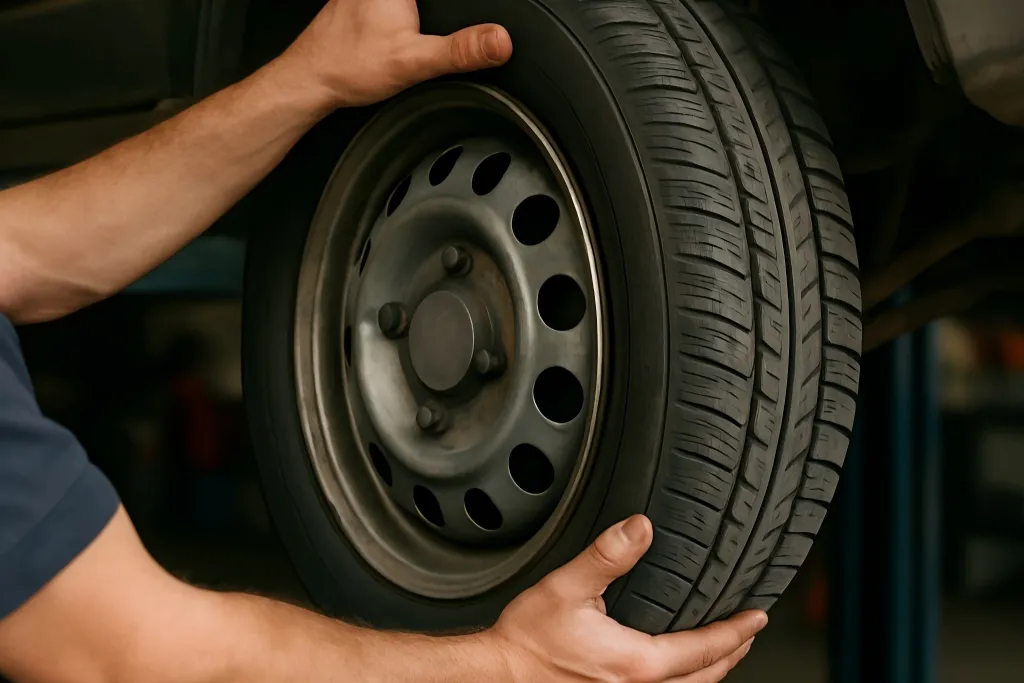
Imagine driving down the road, your car gliding smoothly over the pavement, the hum of the engine a comforting presence. But amidst this familiar symphony of motion, lies a vital component that often goes unnoticed—until it fails. The wheel hub assembly may not be the most glamorous part of your vehicle, but its function is crucial for safe and efficient driving. This unsung hero ensures that your wheels are securely attached and spinning freely, allowing you to maneuver with confidence. It’s time to delve into the workings of this essential car part and unravel its mysteries.
In the world of automobile maintenance, many drivers overlook the importance of components until they present a problem. Yet understanding the role of a wheel hub assembly can empower you to better maintain your vehicle. It’s more than just a structural element, acting as a linchpin that supports the weight of your car while facilitating smooth wheel rotation. Join us as we explore the intricate details of what a wheel hub assembly does and how it silently contributes to every safe journey you undertake.
The Anatomy of a Wheel Hub Assembly
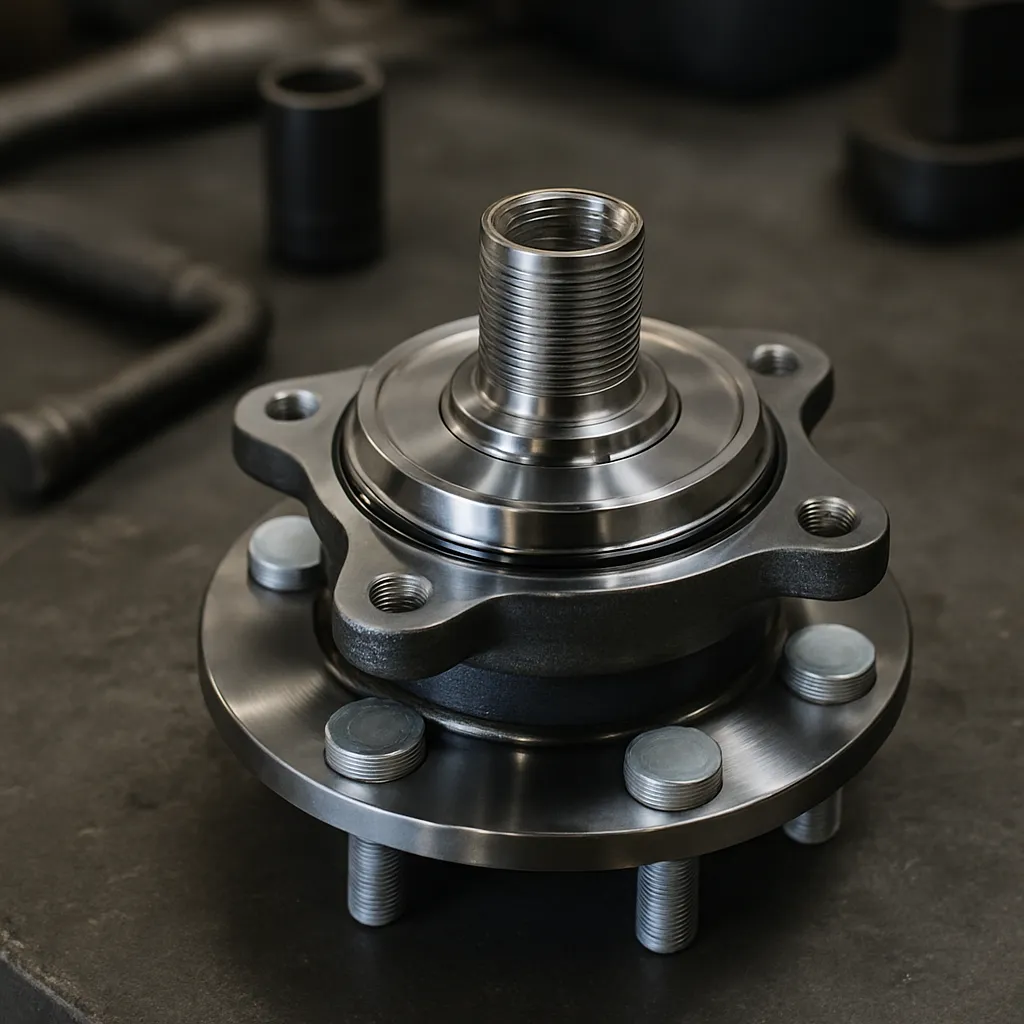
The wheel hub assembly is a precision-engineered unit that brings together several key components to ensure your wheels remain stable and rotate freely. At its core lies the hub flange, which connects directly to the wheel via lug studs. This flange must be both robust and precisely machined to maintain tight tolerances, ensuring that the wheel remains centered and balanced. In most modern vehicles, the hub includes a sealed bearing pack—usually ball or roller bearings—that handles radial and axial loads while minimizing friction.
Surrounding the bearings, you’ll find a dust shield and seal that protect the internal components from contaminants like dirt, water, and road salt. For vehicles equipped with anti-lock braking systems (ABS), there’s also a tone ring and sensor mount integrated into or bolted onto the hub assembly. The tone ring generates a magnetic or optical signal picked up by the ABS sensor, feeding wheel-speed data to the vehicle’s electronic control unit. All these parts work in concert to deliver smooth rotation, precise tracking, and reliable braking performance—answering the question, what does a wheel hub assembly do in everyday driving? It serves as the critical interface between your car’s suspension, braking system, and wheels.
Signs of a Failing Wheel Hub Assembly
Knowing the early warning signs of a deteriorating wheel hub assembly can save you from more costly repairs or dangerous driving conditions. One of the first indications is unusual wheel noise: humming, growling, or grinding sounds that change pitch with vehicle speed. These noises often stem from worn bearing races or degraded lubrication inside the hub. At lower speeds, you might hear a rumbling; at higher speeds, it can become a high-pitched whine.
In addition to noise, you may experience vibrations in the steering wheel or vehicle chassis, especially at certain speeds. This shuddering sensation typically points to excessive play or uneven wear in the bearing surfaces. You might also notice looseness in the wheel when jacked up and wiggled by hand—a clear sign that the hub’s internal bearings or retaining hardware have lost proper preload. Finally, ABS warning lights or traction-control alerts can illuminate if the tone ring is damaged or the sensor gap changes due to hub movement. Recognizing these symptoms early can help you address issues before they compromise safety.
Maintenance Tips for Wheel Hub Assemblies
Proper upkeep can extend the life of your wheel hub assembly and maintain optimal vehicle performance. First, adhere to your manufacturer’s recommended service intervals. Some vehicles specify bearing lubrication or hub inspections at set mileage points. Even if your hub is a sealed unit, periodic visual checks can reveal seal damage, corrosion, or leaks that allow contaminants to enter.
When performing brake or suspension work, always inspect the hub mounting surface for rust or debris. Clean mating surfaces thoroughly before re-installing the hub to ensure accurate wheel alignment. Use a calibrated torque wrench to tighten lug nuts and hub retaining bolts to the specified torque value, preventing excessive preload or loosening. If your hub assembly allows relubrication, choose a high-quality grease formulated for wheel bearings. Finally, avoid high-pressure washers directed at the hub seals, as they can force water past the gasket and into the bearing pack. Regular, careful maintenance keeps your wheel hub assembly running smoothly and helps answer the question, what does a wheel hub assembly do in preserving vehicle safety?
Choosing the Right Wheel Hub Assembly
Selecting the correct wheel hub assembly involves balancing quality, performance, and budget. Start by determining whether an original equipment manufacturer (OEM) part or an aftermarket unit best suits your needs. OEM assemblies typically match the exact specifications of your vehicle’s original hub, guaranteeing compatibility and often including an ABS sensor and tone ring. Aftermarket options can be more cost-effective, but quality varies widely; research brands with strong industry reputations and positive customer reviews.
Material composition matters too. Many high-end assemblies use alloy steel or forged components for improved strength and wear resistance. Check if the unit you’re considering comes pre-greased and sealed; fully sealed assemblies simplify installation and reduce maintenance needs. For performance or off-road vehicles, look for hubs with higher load ratings and upgraded bearing designs. Lastly, factor in warranty coverage—longer warranties reflect manufacturer confidence and offer peace of mind. By carefully evaluating these criteria, you’ll choose a wheel hub assembly that aligns with your driving style, budget, and safety requirements.
Common FAQs about Wheel Hub Assemblies
Q: How long does a wheel hub assembly last? A quality wheel hub assembly can last anywhere from 85,000 to 150,000 miles under normal driving conditions. Factors like driving habits, road quality, and climate influence lifespan. Regular inspections and maintenance help maximize service life.
Q: Is it safe to drive on a bad wheel hub assembly? Driving with a failing hub assembly is risky. You may experience poor handling, braking issues, and wheel detachment in extreme cases. Address unusual noises or vibrations promptly to maintain safety.
Q: Can I replace just the bearing inside the hub? Some hubs allow bearing replacement, but most modern sealed assemblies require complete hub replacement. Attempting to service sealed units can compromise the seal integrity, leading to premature failure.
Q: What’s the cost to replace a wheel hub assembly? Replacement costs vary by vehicle make and model. Expect parts to range from $50 to $200 per hub and labor from $100 to $200, depending on shop rates. Factors like ABS sensor integration can affect pricing.
Q: Do I need an alignment after replacing a wheel hub assembly? Generally, replacing a hub does not alter wheel alignment geometry. However, if you disturbed suspension components during installation, it’s wise to check alignment to ensure proper tire wear and handling.
Q: Can I reuse old lug studs when installing a new hub? Reusing lug studs is not recommended if they’re corroded, stretched, or damaged. Always inspect studs and replace any showing wear or deformation to maintain safe wheel attachment.
Conclusion: Ensuring Smooth Rides with a Healthy Wheel Hub
Understanding what a wheel hub assembly does and recognizing its key signs of wear can save you money and enhance vehicle safety. Regular inspections, proper maintenance, and timely replacement keep your wheels secure and rotation smooth.
By choosing quality parts and following recommended service practices, you’ll ensure that your wheel hub assemblies support every drive—whether daily commutes or weekend adventures—reliably and efficiently.


 English
 Русский
 Español
 Français
 Deutsch