
Imagine embarking on a journey where every twist and turn brings you closer to understanding the ingenuity of automotive design. The Toyota Coaster bus, a masterpiece revered in the transportation industry, is more than just a vehicle; it’s a blend of intricate components working harmoniously. Whether you’re a curious motor enthusiast or someone seeking to expand your knowledge about commercial vehicles, delving into the anatomy of the Toyota Coaster provides an enlightening perspective on what makes it a preferred choice worldwide.
With its remarkable reputation for reliability and comfort, the Coaster isn’t merely defined by its exterior. Beneath its sturdy frame lies a symphony of mechanical and technological marvels. From the robust suspension system that ensures a smooth ride across varied terrains to the efficient powertrain designed for optimal performance, each element of the Toyota Coaster bus components plays a crucial role. Join us as we peel back the layers and explore the innovations and details that define this iconic bus, offering insights that may just change how you view public transportation.
Chassis and Frame Structure
The chassis and frame structure of the Toyota Coaster serve as the foundational backbone upon which all other components rest. Manufactured from high-strength, corrosion-resistant steel, the ladder-type frame offers a rigid yet slightly flexible platform capable of absorbing shocks and dynamic loads encountered on the road. Its design emphasizes durability and weight distribution, ensuring that the bus remains stable when navigating corners or traversing uneven surfaces. All mounting points for suspension, drivetrain, and body panels are meticulously integrated into the frame to maintain precise alignment over the vehicle’s lifespan.
Furthermore, the underbody layout of these Toyota Coaster bus components is optimized for ease of maintenance. Cross members are strategically spaced to provide structural support without obstructing access to critical parts like fuel tanks, brake lines, and exhaust systems. Reinforced sections around the front and rear axles accommodate heavy loads and protect against deformation under stress. The frame’s surface is treated with specialized coatings that guard against rust and abrasion, prolonging service life in diverse climates and operating conditions. Whether loaded to capacity or running near empty, the chassis delivers consistent performance and safety, exemplifying Toyota’s commitment to rugged reliability.
Suspension and Steering Mechanisms
The suspension and steering systems are pivotal in delivering the smooth ride and precise handling expected from the Toyota Coaster. Engineered to balance comfort and control, these mechanisms work together to absorb road irregularities while maintaining predictable response characteristics. Whether traversing city streets or winding country roads, the Coaster’s suspension and steering prowess are central to its acclaim among operators and passengers alike.
From leaf-spring assemblies to hydraulic steering assist, the suspension and steering subsystems of the Coaster integrate proven automotive technologies. By fine-tuning spring rates, shock absorber damping, and steering gear ratios, Toyota engineers have achieved a harmonious setup that copes adeptly with varying loads and driving conditions. This attention to detail elevates the overall ride quality and sets the benchmark for commercial buses worldwide.
Interior Features and Passenger Comfort
Inside the Toyota Coaster, passenger comfort is addressed through ergonomic seating, climate control, and well-organized cabin layouts. Seats are contoured and padded to minimize fatigue on longer journeys, with adjustable backrests and armrests available in higher-spec models. The aisle width and step heights are designed to facilitate easy boarding and alighting, reducing dwell times at stops. Overhead luggage racks, reading lights, and individual air vents are thoughtfully positioned to cater to diverse passenger needs.
The inclusion of advanced HVAC systems in these Toyota Coaster bus components ensures consistent interior temperatures, regardless of external weather extremes. Air conditioning units are paired with efficient duct networks that deliver uniform airflow throughout the cabin. For colder regions, optional diesel-fired heaters maintain warmth quickly, without requiring the engine to reach operating temperature. Additionally, noise-damping materials line the floor and walls to curtail road and engine noise, creating a quieter, more enjoyable traveling environment.
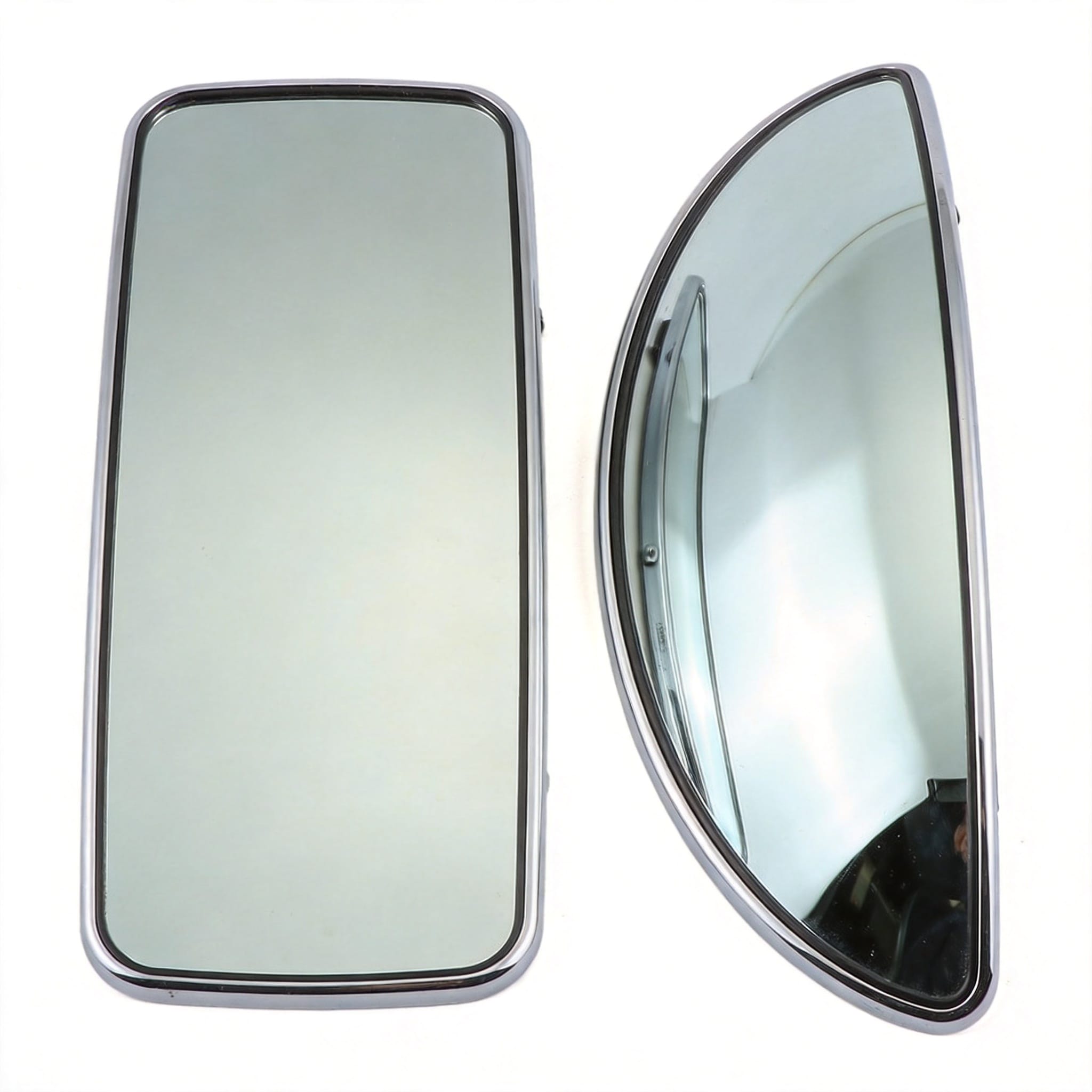
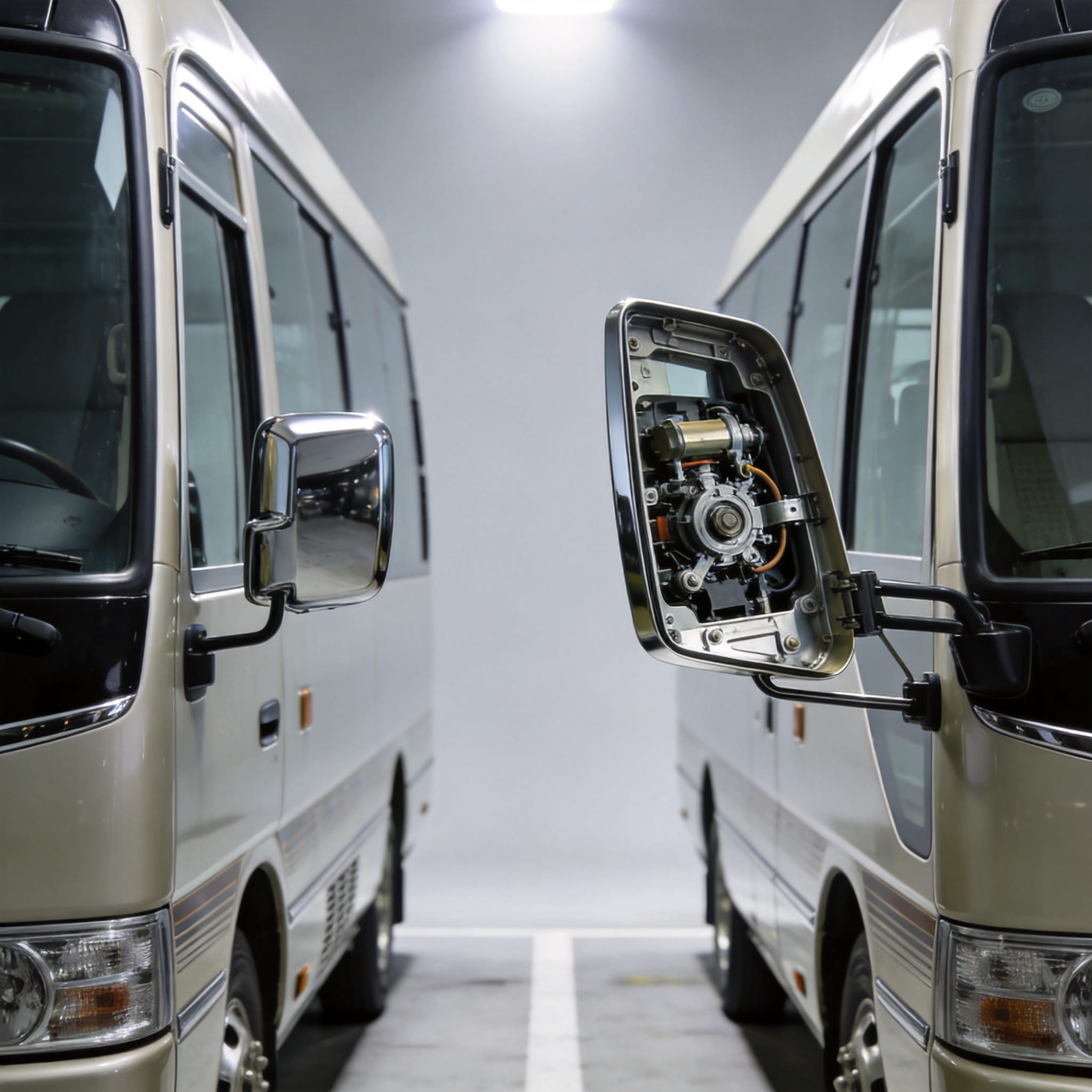
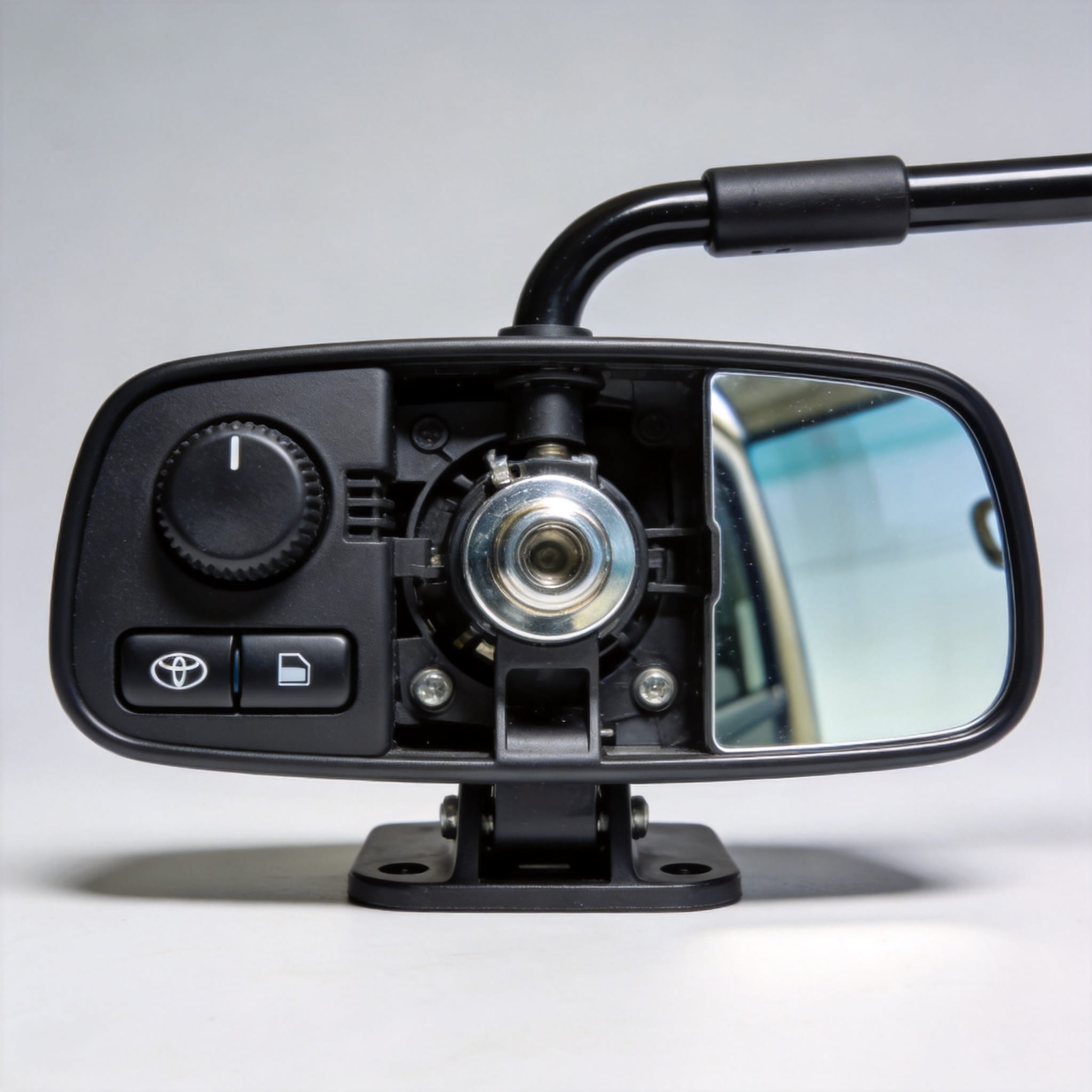
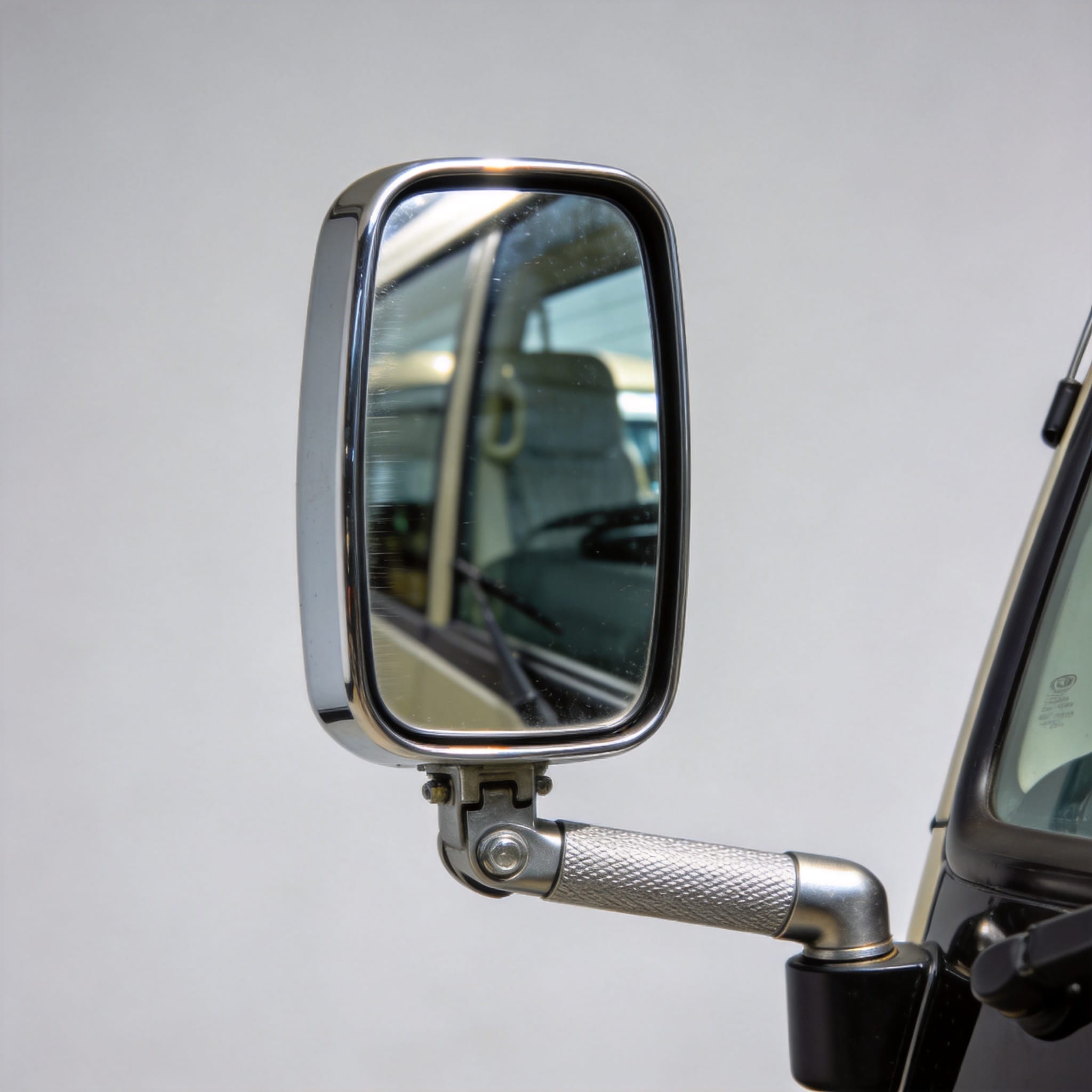
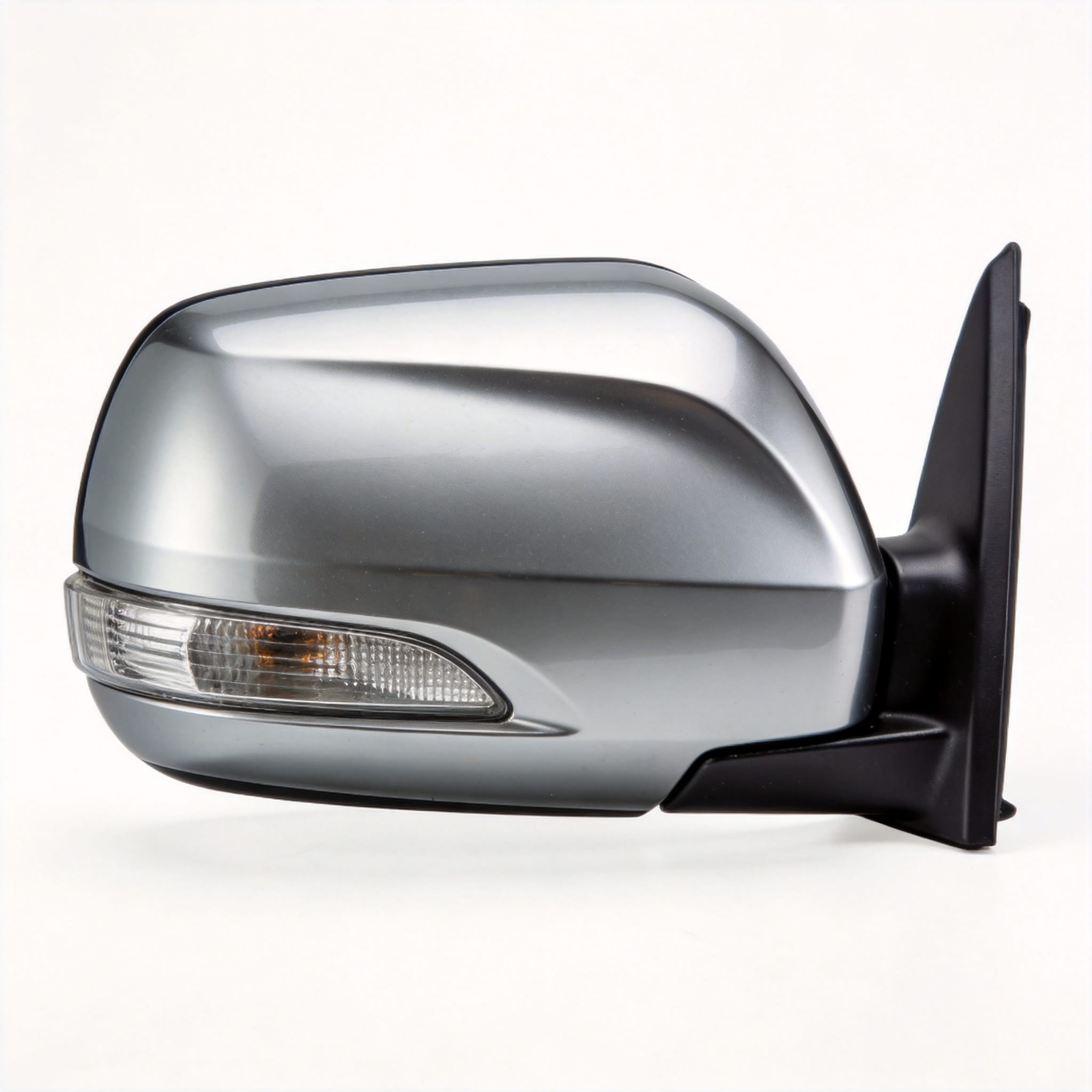
Driver ergonomics also receive attention, with adjustable seats, multi-function steering wheels, and intuitive switchgear. The dashboard places essential controls and displays within easy reach, allowing the operator to focus on driving. Visibility is maximized through large windows and well-positioned mirrors, while automated defogging features maintain clear sightlines in adverse conditions. Such interior innovations solidify the Coaster’s reputation as a bus designed around real-world passenger and operator requirements.
Exterior Design Elements
The exterior design of the Toyota Coaster goes beyond aesthetics to encompass functionality, safety, and durability. Its body panels are aerodynamically sculpted to reduce drag, improving fuel efficiency on long-haul routes. The front fascia features a wide windshield for enhanced driver visibility, complemented by slim A-pillars that minimize blind spots. LED headlamps and daytime running lights integrate seamlessly into the front-end styling, ensuring optimal illumination and a modern appearance.
Durable side skirts, impact-resistant bumpers, and reinforced wheel arches protect the vehicle’s exterior from minor collisions and debris on the road. Strategic use of high-strength plastics and lightweight alloys reduces overall weight without compromising structural integrity. Corrosion-resistant paint and underbody coatings guard against rust—particularly valuable in regions with heavy rainfall or salting of roads during winter months.
Access points such as passenger doors and luggage compartments incorporate gas struts and noise-dampening seals to provide smooth operation and maintain cabin climate control. Emergency exits and clearly marked safety signage adhere to international transport regulations. The rear section houses efficient taillight clusters and reflectors, ensuring visibility in low-light conditions. Collectively, the exterior elements of the Toyota Coaster bus components demonstrate a marriage of form and function, delivering reliability and style in equal measure.
Technology Integration for Enhanced Performance
Modern iterations of the Toyota Coaster leverage advanced technologies to boost performance, safety, and efficiency. Electronic control modules (ECMs) monitor and optimize engine parameters such as fuel injection timing, turbo boost pressure, and exhaust gas recirculation. This real-time management translates to improved power delivery and reduced emissions—critical factors in meeting stringent global regulations. Additionally, onboard diagnostics facilitate quick fault detection and streamlined maintenance, minimizing downtime and operational costs.
Safety features in these Toyota Coaster bus components include anti-lock braking systems (ABS), electronic brake-force distribution (EBD), and optional traction control. Together, they enhance braking stability and prevent wheel lockup on slippery surfaces. Some models also offer stability control systems that detect and correct understeer or oversteer situations, giving drivers an extra margin of security in challenging conditions. Tire pressure monitoring systems (TPMS) provide alerts when inflation deviates from recommended levels, helping to preserve handling characteristics and prolong tire life.
Driver-assistance technologies further enrich the Coaster’s performance package. Reverse cameras, parking sensors, and adaptive cruise control reduce fatigue on long routes. Infotainment systems with touchscreen displays, Bluetooth connectivity, and GPS navigation keep drivers informed and entertained. Remote telematics solutions allow fleet managers to track vehicle health, fuel consumption, and driver behavior in real time, empowering data-driven decision-making and improving overall fleet efficiency.
Conclusion: Appreciating the Complexity of Toyota Coaster Bus Components
The Toyota Coaster exemplifies how thoughtful engineering, from its robust chassis to its advanced electronic systems, culminates in a reliable and comfortable commercial bus. Each set of Toyota Coaster bus components, whether mechanical or technological, works in concert to deliver a safe and efficient travel experience for passengers and operators alike.
Understanding these intricate details deepens our appreciation for the innovations that underpin modern public transportation. The Coaster’s enduring popularity around the world underscores Toyota’s commitment to quality, durability, and continual improvement.

 English
 Русский
 Español
 Français
 Deutsch