
The road is a symphony of movement, where every vehicle plays its part in the grand composition of transportation. Among these, buses stand out as urban maestros, orchestrating the daily journey of millions with precision and grace. But have you ever paused to consider what makes these colossal carriers so efficient and safe? Beyond the sleek exterior and spacious interiors lies an intricate network of bus body parts, each playing a crucial role in ensuring that passengers reach their destinations smoothly and securely.
Imagine standing at a bus stop on a rainy day, eager to escape the weather’s chill. As the bus arrives, its doors gliding open, you’re met not only with warmth but also with a sense of reassurance, knowing that everything from the robust frames to the responsive braking systems has been meticulously designed to protect you. This blog post delves into the fascinating world of bus body parts, unraveling the secrets behind their design and functionality while highlighting their importance in maintaining operational excellence. Join us as we journey through the engineering marvels that keep our buses running safely and efficiently.

The Anatomy of Bus Frames
The frame of a bus is its skeletal backbone, providing structural integrity and determining the overall durability of the vehicle. In modern bus design, manufacturers rely on high-strength steel or aluminum alloys to strike a balance between robustness and weight reduction. A lighter frame improves fuel efficiency, while the strength of these materials ensures that the bus can withstand daily stresses—constant loading, vibrations, and occasional impacts—without compromising passenger safety. The strategic placement of cross-members and longitudinal beams further distributes loads evenly, reducing the risk of frame fatigue and failure over time.
Beyond the basic skeleton, bus body parts such as subframes and reinforcements play a crucial role in isolating vibrations and absorbing shocks from uneven road surfaces. This not only extends the lifespan of the bus but also enhances ride comfort for passengers and reduces wear on other components like the suspension system. In recent years, manufacturers have introduced modular frame sections that can be easily replaced or upgraded, minimizing downtime during repairs and ensuring that fleets stay on the road longer. By understanding the anatomy of bus frames, operators and engineers can make informed decisions on maintenance schedules, retrofitting strategies, and even fleet modernization plans that prioritize both safety and efficiency.
Braking Systems: Ensuring Safe Stops
A bus’s braking system is a critical safety component, designed to bring a fully loaded vehicle to a controlled halt multiple times a day. Modern buses typically use air brake systems, which rely on compressed air to actuate calipers or drums that press brake pads against rotors or drums. This redundancy—where air pressure loss triggers an automatic application of the brakes—adds an extra layer of safety by preventing uncontrolled movements in case of a leak. Regular maintenance of air compressors, reservoirs, and pneumatic lines ensures consistent pressure levels and responsive braking performance.
In addition to primary air brakes, many buses now incorporate electronic braking assistance technologies. Anti-lock Brake Systems (ABS) prevent wheel lockup under heavy braking, especially on slippery surfaces, by modulating brake pressure multiple times per second. Electronic Stability Control (ESC) further enhances safety by detecting skids or rapid directional changes and selectively braking individual wheels to stabilize the vehicle. Through the integration of these advanced bus body parts, drivers benefit from predictable handling and passengers enjoy safer journeys, even under adverse conditions.
Routine inspection of brake pads, rotors, and drum linings is essential to detect wear before it poses a hazard. Monitoring brake chamber seals and ensuring proper lubrication of moving parts extends component life and maintains optimal friction characteristics. For fleet operators, implementing a comprehensive brake testing protocol—including air system pressure checks and performance evaluations—supports regulatory compliance and helps avoid costly downtime. By prioritizing the integrity of braking systems, transit agencies and private operators alike can uphold the highest standards of road safety.
Seating Arrangements: Comfort and Safety Combined
Seating in buses is more than just rows of chairs; it is a carefully engineered component of passenger safety and comfort. Modern seats incorporate energy-absorbing materials, ergonomic shapes, and robust mounting systems to protect occupants in the event of sudden stops or collisions. The anchor points of each seat, often referred to as seat tracks, are welded or bolted directly to the frame, ensuring that seats remain secure under extreme forces. This integration of bus body parts guarantees that passengers are properly restrained, reducing the risk of injury during abrupt maneuvers.
For transit authorities, selecting the right seat configuration involves balancing capacity, accessibility, and comfort. High-density layouts maximize the number of seats but may compromise legroom, while more spacious arrangements improve passenger experience at the expense of fewer seats. Incorporating foldable seats near entryways allows for flexible accommodation of wheelchairs or strollers, aligning with ADA regulations and enhancing inclusivity. Padded armrests, adjustable headrests, and contoured cushions further elevate ride quality, making extended commutes more bearable.
Regular inspection of seat mounts, upholstery, and safety labels is vital to maintain reliability and compliance. Worn fabrics can be replaced, while damaged frame components can be reinforced or substituted with OEM-certified parts. By paying close attention to the design and upkeep of seating arrangements, operators reinforce the importance of both comfort and safety, transforming each journey into a more pleasant and secure experience for passengers.
The Significance of Windows and Mirrors
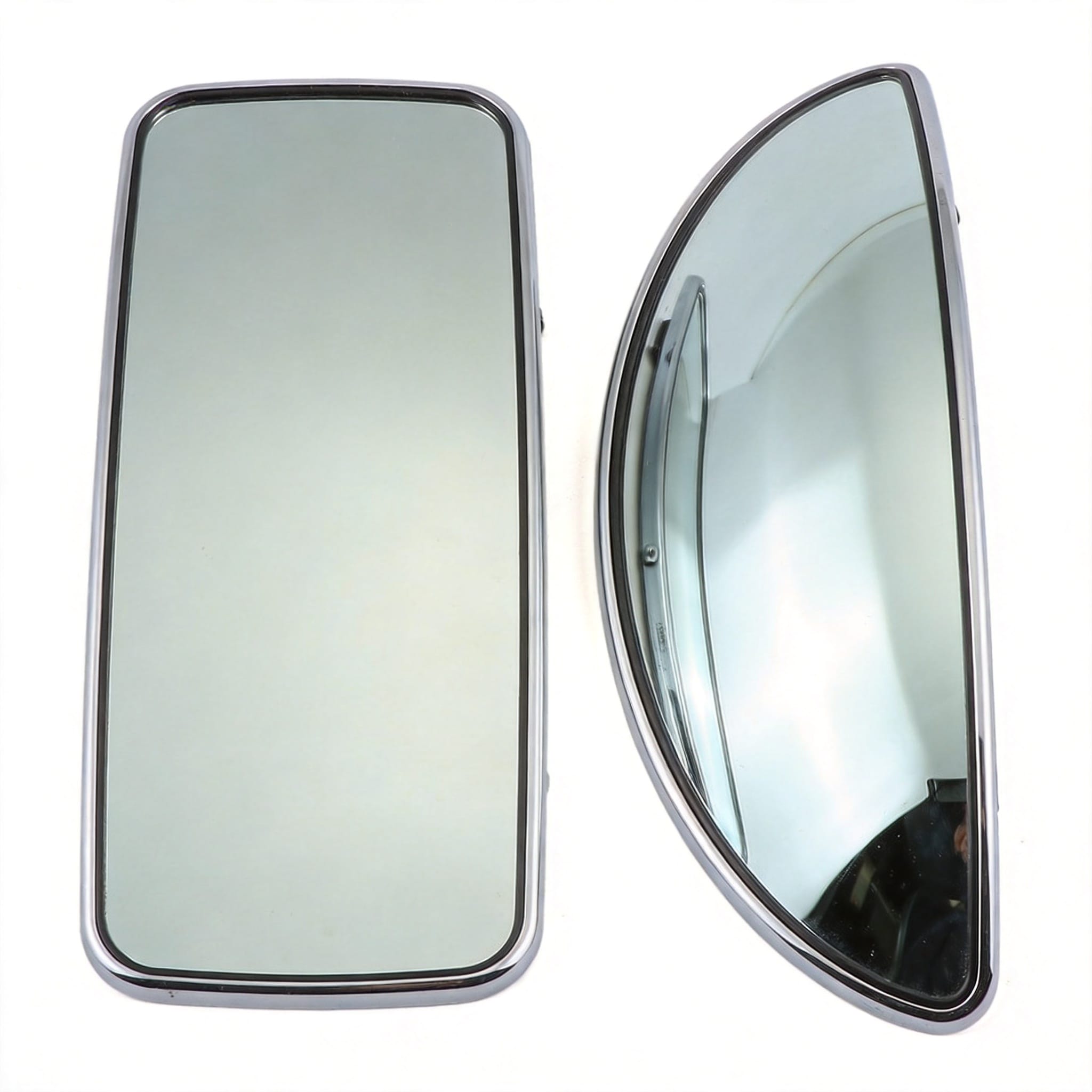
Windows and mirrors are often overlooked when discussing bus body parts, yet they play pivotal roles in visibility, safety, and passenger comfort. High-quality tempered or laminated glass is used for side windows and windshields to resist shattering and protect occupants from road debris. The design and tint of windows also help control cabin temperature and glare, contributing to a comfortable environment for both drivers and passengers.
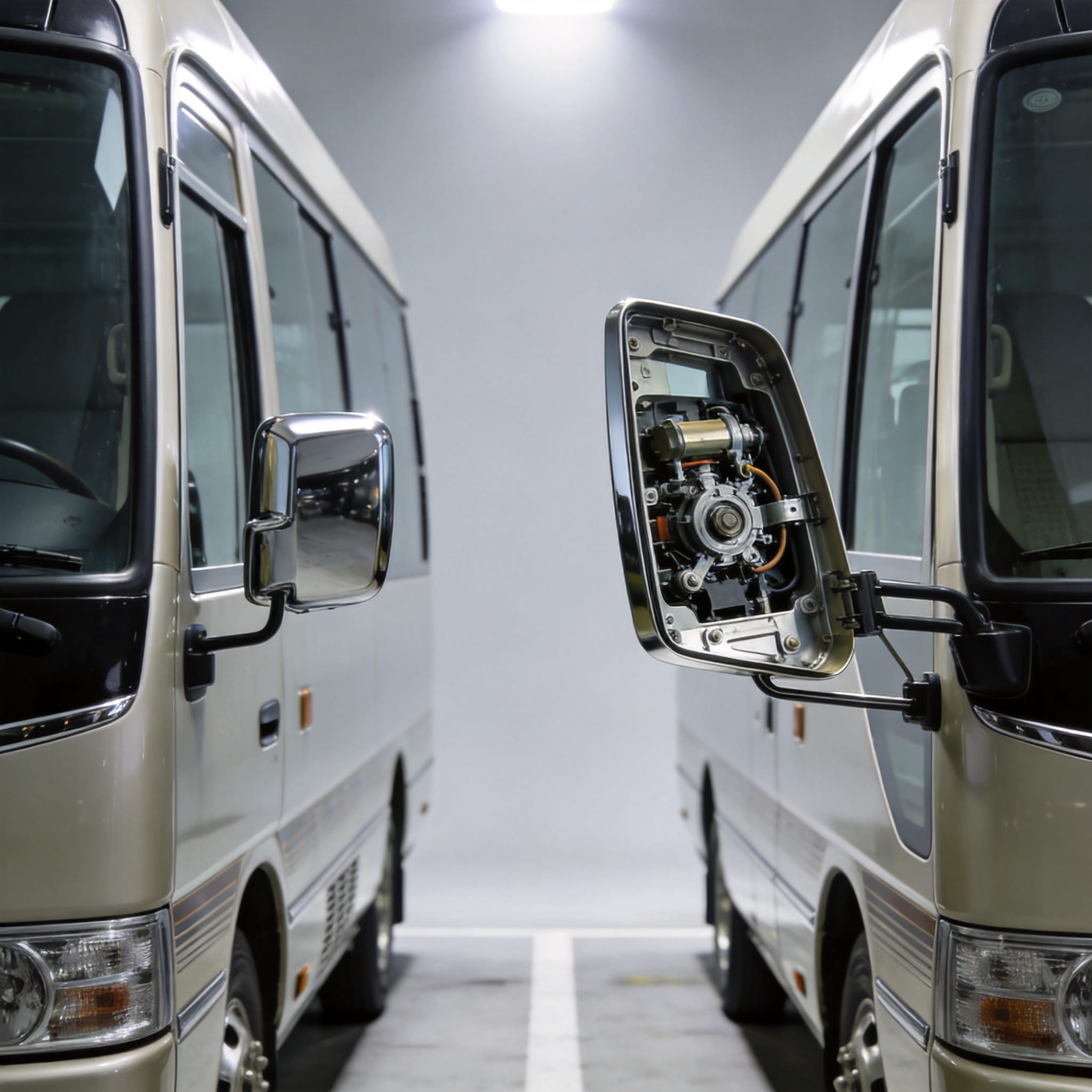
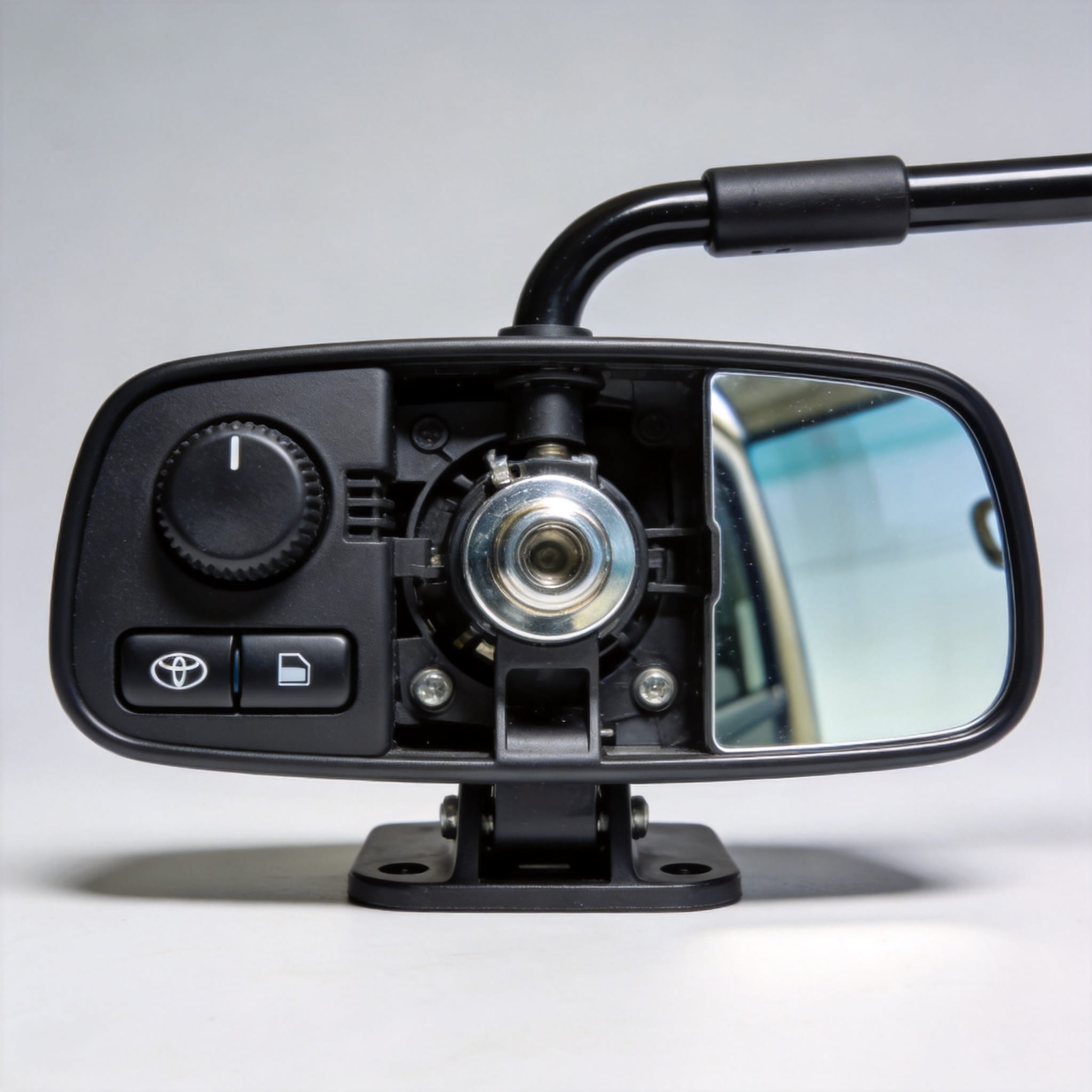
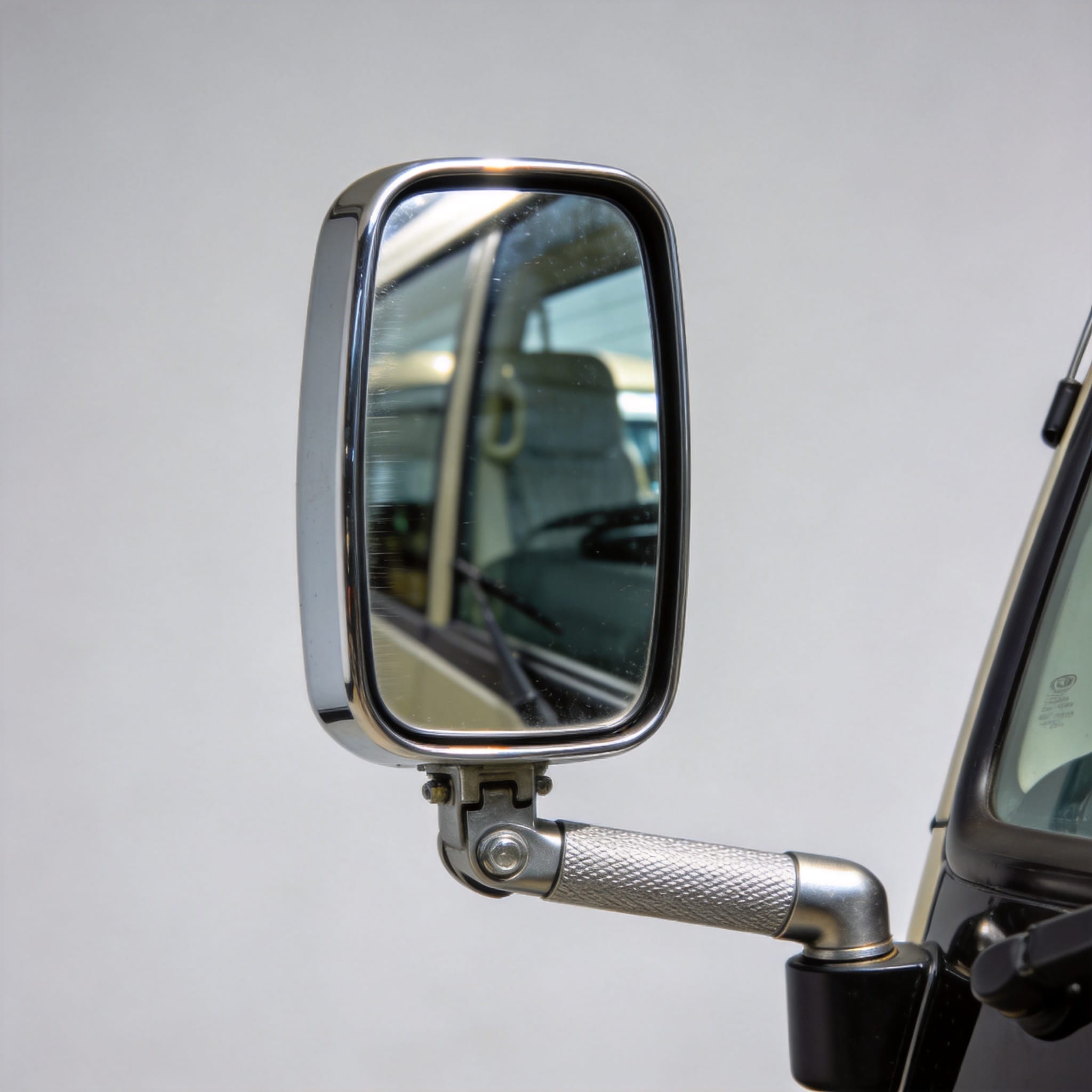
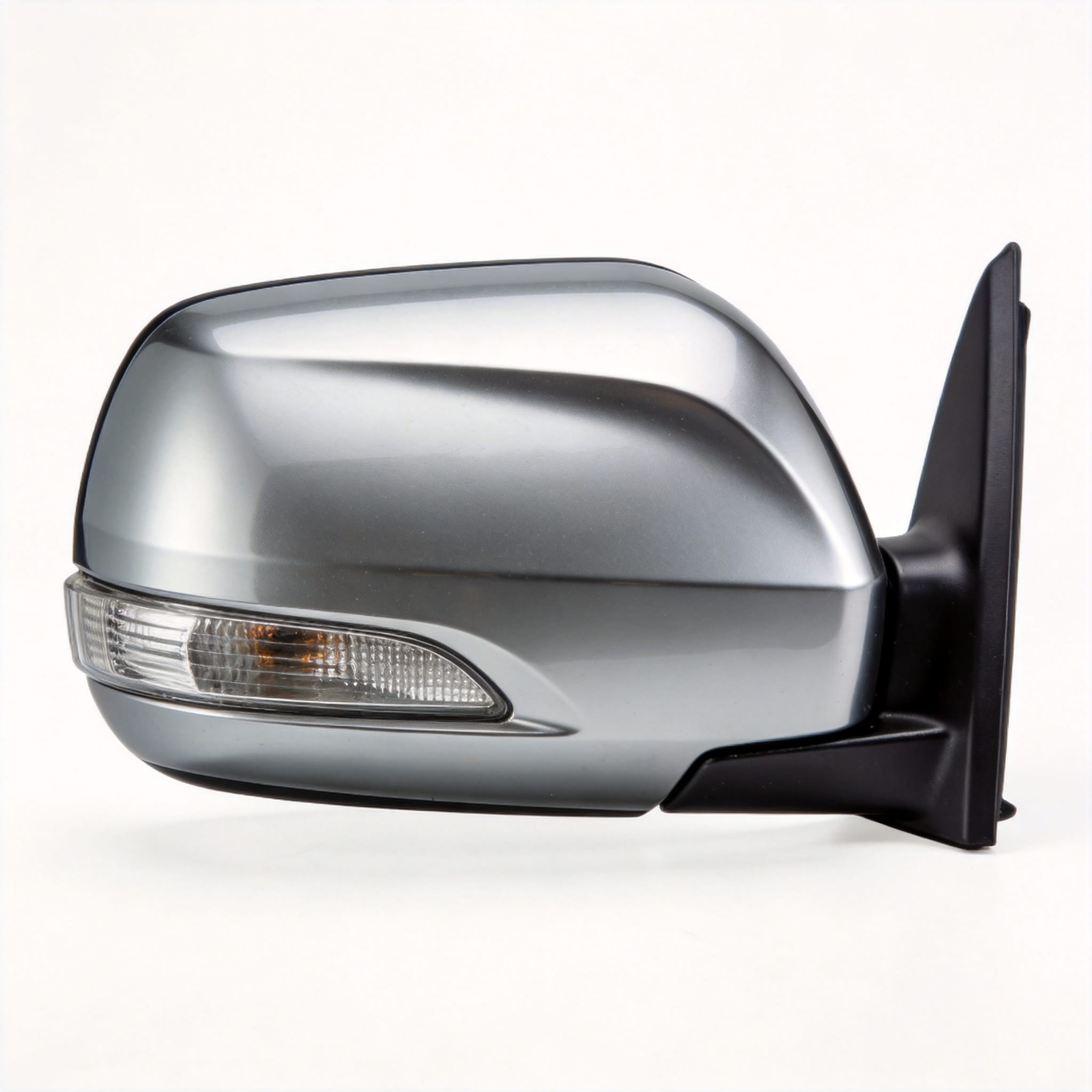
Mirrors—both side-view and rear-view—are essential for situational awareness, enabling drivers to monitor traffic, blind spots, and passenger boarding or alighting. Modern buses frequently incorporate convex mirrors and camera-based systems to expand the field of vision, reducing accidents caused by limited sightlines. Proper alignment and regular cleaning of these reflective surfaces are crucial; even minor misalignments can create dangerous blind spots in urban settings.
Additionally, privacy glass and anti-fog coatings have become standard features in many transit fleets, enhancing passenger experience and safety in adverse weather conditions. Integrated defogging elements within windshields and mirrors ensure clear visibility during rain or temperature fluctuations. Understanding the role and maintenance of windows and mirrors underscores their contribution to overall operational efficiency and road safety.
Conclusion: The Harmonious Integration of Bus Body Parts
The complex interplay of numerous bus body parts—from the structural frame to the braking system, seating arrangements, windows, and mirrors—demonstrates how each component contributes to overall performance and safety. When maintained and integrated properly, these parts ensure that every journey is secure, efficient, and comfortable for passengers.
By understanding the design principles and maintenance needs of key bus body parts, operators can optimize fleet reliability, reduce downtime, and enhance passenger satisfaction. In the ever-evolving landscape of public transportation, this harmonious integration remains the cornerstone of safe and efficient bus operations.

 English
 Русский
 Español
 Français
 Deutsch