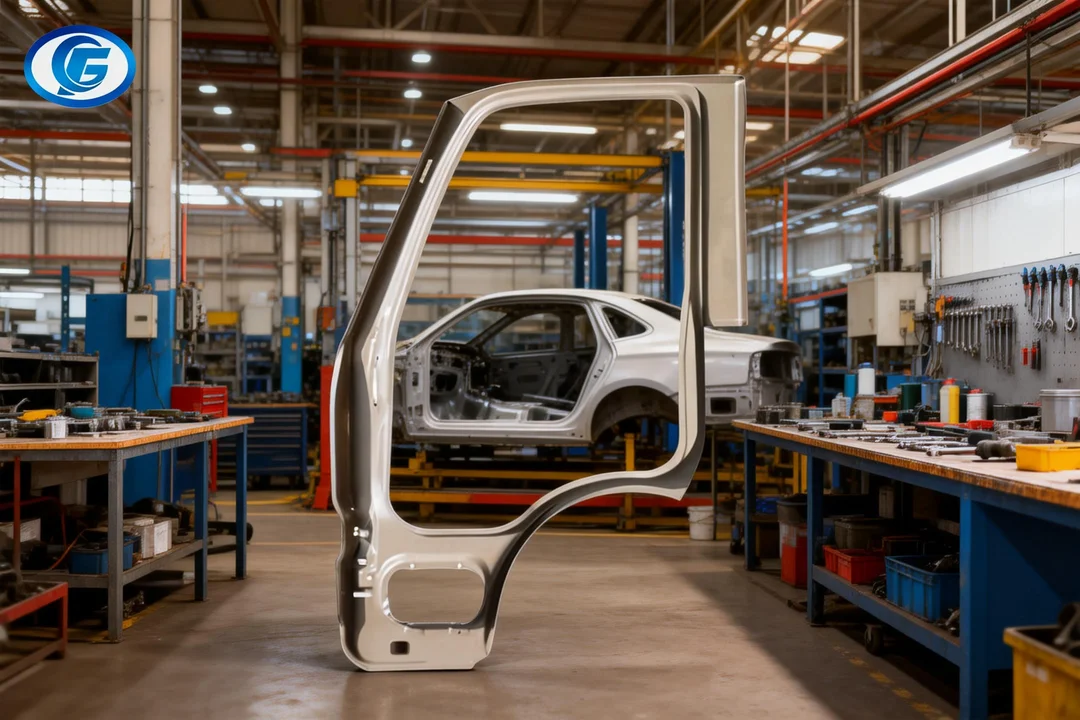
In the public transportation industry, safety, efficiency, and durability are non‑negotiable. One of the most critical systems on any bus or coach is the door mechanism. Bus door parts work continuously through thousands of opening and closing cycles every day, supporting passenger access, security, and operational stability.
Whether for city buses, shuttle vehicles, electric coaches, or long‑distance transit, high‑quality bus door components directly improve performance, reduce downtime, and protect passengers. This article explores key bus door parts, their functions, maintenance best practices, and how choosing reliable parts supports long‑term fleet health.
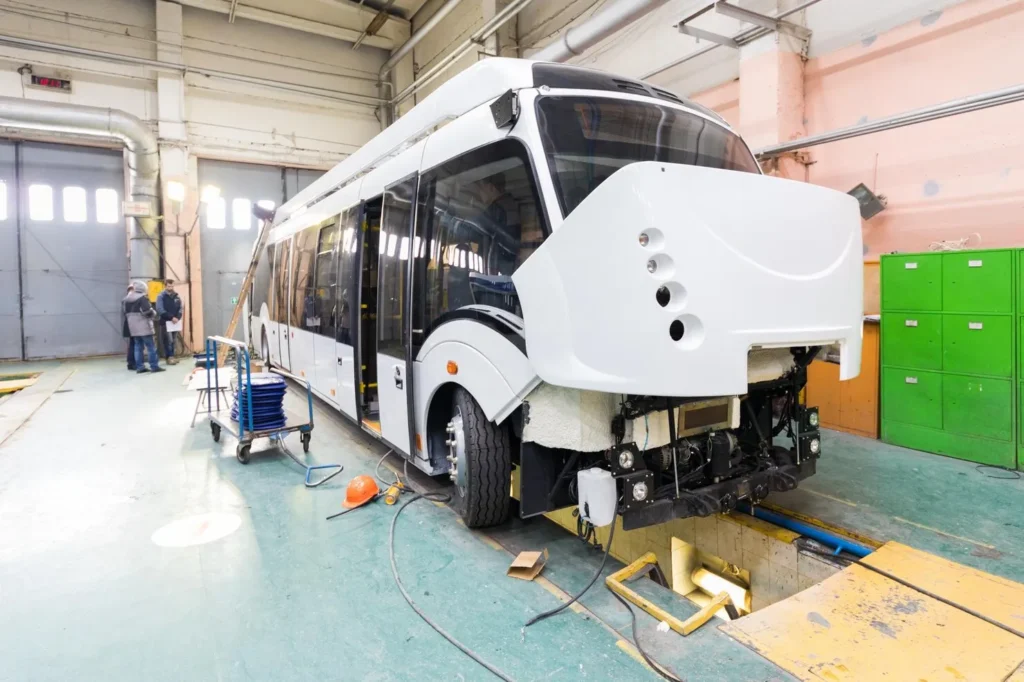
Key Bus Door Parts and Their Functional Importance
Every bus door system relies on a coordinated set of components. Understanding these parts helps operators, maintenance teams, and procurement managers make better purchasing and repair decisions.
Door Actuator Systems – The Power Core of Bus Doors
The actuator is the driving force behind automatic bus doors. Common types include pneumatic actuators, electric door motors, and door operators. These components convert energy into smooth, controlled motion to open and close doors safely. High‑performance actuators ensure stable speed, low noise, and consistent response even under heavy daily use. Weak or low‑quality actuators often lead to slow movement, jamming, or sudden failure—major risks in busy transit environments.
Safety Sensors and Anti-Pinch Components
Passenger safety depends on reliable sensing systems. Key bus door parts in this category include safety edges, obstacle detection sensors, infrared sensors, and anti-pinch strips. These devices immediately stop or reverse the door if a passenger, object, or obstruction is detected. Advanced sensor systems improve compliance with transit safety regulations and reduce accident risks. For fleet managers, investing in quality sensors lowers liability and improves public trust.
Door Hinges, Bearings, and Mechanical Fittings
Hinges, sliding rails, bearings, and brackets support the entire weight and movement of bus doors. These bus door parts must withstand vibration, frequent use, and varying weather conditions. Durable hinges and bearings ensure smooth sliding or swinging motion, reduce noise, and prevent door misalignment. Worn fittings often cause abnormal sounds, loose doors, or increased energy consumption.
Seals, Weatherstrips, and Frame Components
Rubber seals, weatherstrips, and door frames protect passengers from rain, wind, dust, and noise. They also improve thermal insulation, supporting energy efficiency, especially in air‑conditioned coaches. Well‑maintained seals reduce interior noise, improve comfort, and extend the life of other internal bus door parts.
Control Modules, Wiring and Electrical Components
Modern bus doors are controlled by door control units (DCU), switches, wiring harnesses, and emergency buttons. These electronic components ensure precise coordination between the driver, door mechanism, and safety systems. Stable electrical parts prevent malfunctions and support quick diagnostics during maintenance.
Why Choosing High-Quality Bus Door Parts Improves Fleet Performance
For transit companies and maintenance workshops, reliable bus door parts directly influence operational efficiency.
First, quality components reduce failure rates and maintenance frequency. Bus doors operate hundreds of times daily; weak parts wear out quickly and cause unplanned downtime.
Second, genuine and durable bus door parts enhance passenger safety and satisfaction. Smooth, quiet, and responsive doors create a better riding experience and reduce safety incidents.
Third, using standardized and compatible bus door parts simplifies maintenance, inventory management, and replacement. Many parts are designed for easy installation, helping technicians reduce service time.
Finally, reliable door systems support vehicle lifespan. A well‑maintained door mechanism reduces stress on the bus body, hinges, and surrounding structures.
Maintenance Tips for Extending the Life of Bus Door Parts
Routine care keeps bus door parts performing efficiently. Recommended practices include:
- Regularly cleaning sensors, safety edges, and rails to avoid blockage
- Lubricating hinges, bearings, and sliding mechanisms
- Checking rubber seals for cracking or deformation
- Testing anti-pinch functions and sensor responsiveness
- Replacing worn parts before complete failure occurs
Proactive maintenance reduces long‑term costs and improves fleet availability.
Conclusion
Bus door parts are more than just components—they are essential to safety, efficiency, and reliability in public transportation. From actuators and sensors to hinges, seals, and control systems, every part plays a vital role. By choosing high-quality, durable bus door parts and following consistent maintenance, fleet operators can improve performance, lower costs, and provide safer, more comfortable service for passengers.
For transit authorities, maintenance teams, and parts suppliers, prioritizing genuine, compatible, and long‑lasting bus door parts remains a smart and necessary investment.


 English
 Русский
 Español
 Français
 Deutsch