Imagine cruising down the highway, a playlist of your favorite tunes setting the scene, when suddenly, an unfamiliar hum disrupts the harmony. That sound could be the first warning sign of a failing front wheel hub assembly—a crucial component responsible for the smooth and safe operation of your vehicle’s wheels. Unlike other car parts that are visible and easy to monitor, the front wheel hub assembly quietly bears the brunt of your daily drives, supporting the vehicle’s weight and ensuring each turn you make is both stable and secure. But, when neglected, it can lead to disastrous consequences far beyond a mere interruption to your road trip playlist.
Statistics indicate that mechanical failures contribute to a significant number of road accidents each year, with compromised wheel hubs often playing a hidden role. This underscores the importance of understanding how these assemblies function and recognizing the signs of wear before they escalate into safety hazards. Our ultimate guide to the front wheel hub assembly will demystify this vital component, equipping you with knowledge that not only prolongs the life of your vehicle but also enhances the safety of every journey you embark upon. Dive in to discover how something so inconspicuous can have such a profound impact on your driving experience.
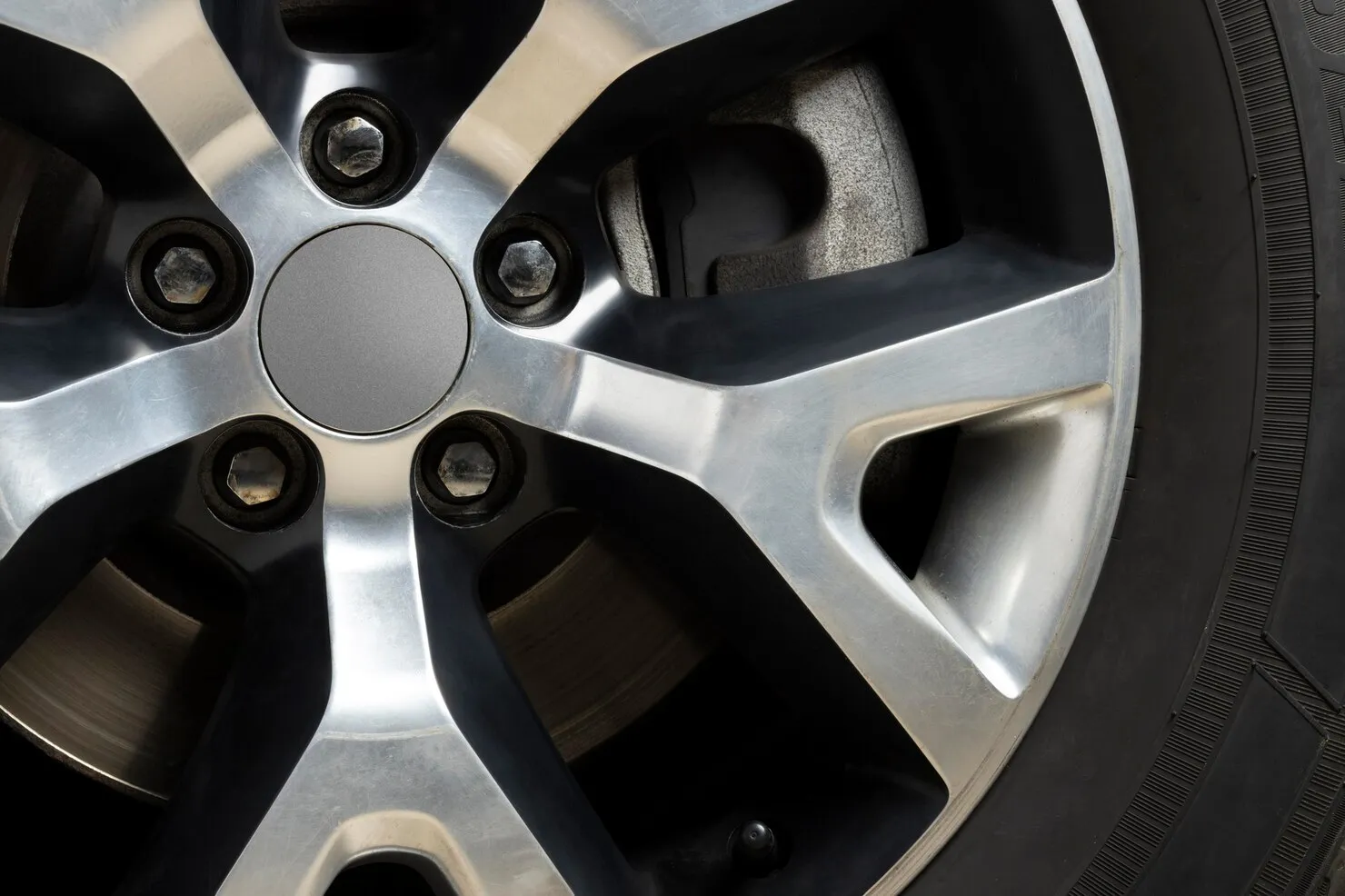
Importance of Front Wheel Hub Assembly in Vehicle Safety
The front wheel hub assembly is the unsung hero of your vehicle’s undercarriage, bearing the brunt of every mile you drive. This critical component houses the wheel bearings and connects your wheel to the rest of the suspension and steering system. As you steer, accelerate, and brake, the assembly ensures that rotational forces transfer smoothly from the axle to the wheel, maintaining traction and control. Without a properly functioning front wheel hub assembly, wheel play can develop, leading to erratic handling and increased stopping distances—both of which compromise your safety every time you hit the road.
Beyond steering precision, a well-maintained front wheel hub assembly plays a vital role in distributing loads across the suspension system. It supports the vehicle’s weight while counteracting forces generated during cornering and braking. Any looseness, seismic vibrations, or uneven wear in the assembly disrupts this balance, causing tires to wear prematurely and suspension components to endure undue stress. Given that mechanical failures contribute significantly to road accidents each year, understanding the importance of the front wheel hub assembly helps you recognize that routine inspections and prompt repairs directly translate into safer, more reliable journeys for you and your passengers.
Signs of Wear and Tear in Front Wheel Hub Assemblies
Recognizing early warning signs of a failing front wheel hub assembly can save you from unexpected breakdowns and dangerous driving conditions. One of the most common indicators is a grinding or growling noise coming from the wheel area, especially when turning. This sound often signals deteriorated wheel bearings within the hub assembly, leading to metal-on-metal contact and increased friction. Another telltale sign is excessive wheel vibration or wobbling at higher speeds, which means the hub assembly no longer secures the wheel effectively, risking poor handling and uneven tire wear.
Additionally, you may notice looseness in the steering wheel or a pulling sensation to one side when driving straight. These symptoms occur as the hub assembly’s integrity degrades, compromising alignment and steering geometry. Brake performance can also decline; you might feel pulsation through the brake pedal if the wheel hub assembly has developed uneven surfaces or bearing damage. Catching these signs early and addressing the front wheel hub assembly promptly not only improves driving comfort but also mitigates the risk of catastrophic failures on busy roads.
Common Causes of Front Wheel Hub Assembly Failure
Front wheel hub assemblies endure significant forces daily, making them susceptible to various failure causes. One prevalent culprit is insufficient lubrication or contaminated grease, which accelerates bearing wear. Dirt, water, and road debris can infiltrate the assembly if seals become compromised, leading to rust and corrosion that degrade internal components. Another frequent cause is impact damage from potholes, curbs, or accident debris; sudden shocks can deform the hub or stress the bearings, creating micro-cracks that worsen over time.
Manufacturing defects and poor-quality aftermarket replacements also contribute to premature failure. Substandard materials or imprecise tolerances can reduce fatigue strength, causing bearings to fail under normal driving conditions. Furthermore, overloading the vehicle—such as carrying heavy cargo beyond the recommended capacity—adds extra stress to the hub assembly, shortening its lifespan. Regularly inspecting seals, choosing high-quality parts, and adhering to load limits are essential steps in preventing these common failure modes.
Maintenance Tips to Prolong the Life of Your Front Wheel Hub Assembly
Proactive maintenance is your best defense against premature front wheel hub assembly failure. Start by adhering to your vehicle manufacturer’s recommended service intervals for wheel bearing inspections and lubrication. Fresh, high-quality grease reduces friction and helps repel moisture, minimizing corrosion risks. Whenever you rotate or replace tires, take the opportunity to check for play or roughness in the hub by jacking up the vehicle and rocking the wheel back and forth.
Additionally, be mindful of driving conditions and habits. Slow down over potholes and avoid striking curbs at speed; even minor impacts can compromise hub seals and bearings. If you frequently drive on gravel roads or in wet climates, consider investing in sealed hub assemblies designed to keep contaminants out. Finally, choose OEM or reputable aftermarket hubs to ensure durable construction and precise fitment. By combining diligent inspections, proper lubrication, and cautious driving, you’ll significantly extend the service life of your front wheel hub assembly, enhancing both safety and performance.
How Front Wheel Hub Assemblies Contribute to Vehicle Stability
Front wheel hub assemblies are integral to keeping your vehicle stable during various driving maneuvers. By anchoring the wheel to the suspension, the assembly ensures that steering inputs translate accurately to wheel movement. This direct connection maintains proper toe and camber angles, which are crucial for predictable handling—especially during quick lane changes or evasive swerves. A compromised front wheel hub assembly can introduce slack into the system, resulting in delayed or vague steering responses that undermine driver confidence.
Moreover, the front wheel hub assembly distributes vertical and lateral loads evenly across the suspension components. When you corner at higher speeds, centrifugal forces push outward on the wheels; the hub assembly must withstand these forces without flexing. A robust design with well-maintained bearings ensures that the tire’s contact patch remains consistent, providing optimal grip. This stability is equally critical during braking, as the assembly helps the vehicle resist forward pitch and maintain tire traction. In essence, a healthy front wheel hub assembly underpins the dynamic balance between steering precision and ride composure.
Conclusion: Ensuring Safe Journeys Through Front Wheel Hub Assembly Maintenance
Maintaining your front wheel hub assembly is more than a routine chore—it’s a safety imperative. By staying vigilant for wear signs, addressing issues early, and following maintenance best practices, you safeguard your vehicle’s handling and braking performance.
Invest in quality parts, use proper lubrication, and adopt cautious driving habits to maximize the lifespan of your front wheel hub assembly. These simple steps translate directly into safer, more reliable travels for you and your passengers.