
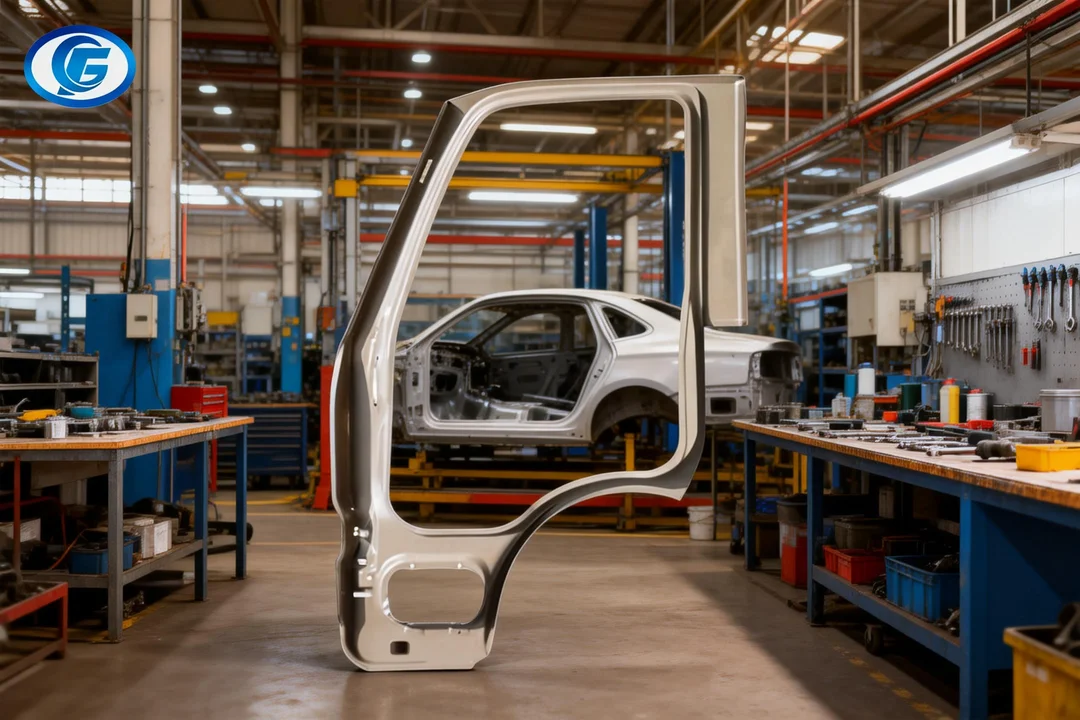
Imagine you’re running late for work on a chilly winter morning. You hastily grab your coat, rush out to the driveway, and there it is—your car’s driver door frame, frozen shut. It’s more than just an inconvenience; it’s a stark reminder of the often-overlooked issues that can arise from neglecting proper door frame maintenance. This single component of your vehicle plays a crucial role in not only providing structural integrity but also ensuring the safety and comfort of every drive.
Delving into the world of driver door frame maintenance, you’ll be surprised at how common problems like corrosion, weather damage, and misalignment can affect your vehicle. These issues may seem minor at first glance, but left unchecked, they can lead to costly repairs or even compromise your safety on the road. In this blog post, we will explore these common issues in detail, equipping you with the knowledge to keep your door frames—and by extension, your vehicle—in tip-top condition. Buckle up as we drive through each aspect and learn how a little attention can go a long way in saving you both time and money.

The Importance of Regular Inspection
Regular inspection of the driver door frame is the cornerstone of preventative maintenance. When you overlook routine checks, small issues can quickly escalate into bigger, costlier problems. The driver door frame not only supports the door itself but also helps maintain the alignment and seal that protect your cabin from elements like rain, wind, and debris. By devoting just a few minutes each month to a visual and tactile examination, you can catch early signs of wear and tear before they impact performance or safety.
During a regular inspection, start by opening and closing the door slowly, listening for unusual creaks, grinding noises, or stiffness. Check the rubber seals and weatherstripping around the frame for cracking, warping, or detachment. Inspect the painted surfaces for chips or scratches that expose bare metal, as these areas are vulnerable to rust. A quick spray of water along the edges can also reveal seal failures if you notice any leaks or pooling inside the vehicle. Keeping a simple checklist and marking your calendar for these inspections ensures you never miss an opportunity to spot potential issues early.
Beyond visual checks, running your hand along the frame’s edges helps you feel for hidden deformities, dents, or rough spots. These could indicate minor collisions or impact damage that, if ignored, can worsen over time and affect door alignment. Document any concerns in a maintenance log, noting dates and observations. This record not only tracks changes over time but also provides valuable information for technicians if professional service becomes necessary. Ultimately, a proactive inspection routine for your driver door frame saves you money, enhances safety, and preserves your vehicle’s value in the long run.
Identifying Corrosion: Causes and Solutions
Corrosion is one of the most prevalent issues affecting driver door frames, especially in regions with harsh winters or salty coastal air. Metal exposed to moisture and oxygen gradually oxidizes, forming rust that can weaken the structural integrity of the frame. Over time, this corrosion can spread beneath paint layers, causing bubbling or flaking, and leading to holes that compromise the seal and safety of your door.
Causes of corrosion range from chipped paint and exposed metal to clogged drainage holes that trap water along the door sill. Road salt accelerates the process by chemically interacting with metal, making winter driving conditions particularly harsh on the driver door frame. Gravel thrown up from tires can also chip away at protective coatings, creating entry points for moisture. Identifying the root cause is the first step toward an effective solution.
Preventive Measures to Keep Rust at Bay
Preventing corrosion starts with protective coatings. Applying a high-quality automotive wax or silicone-based sealant regularly creates a barrier against moisture and road chemicals. Inspect the door sill and lower frame areas after winter months or rainy seasons, clearing any accumulated debris and ensuring drainage channels are unobstructed. A thorough wash followed by underbody spray can remove trapped salt and grit, prolonging the life of the metal.
For paint chips or minor scratches, use a touch-up paint kit matched to your vehicle’s color code. Clean the area with isopropyl alcohol, apply primer if necessary, then fill and seal the chip to prevent moisture intrusion. Consider professional ceramic coatings for long-term protection, especially if you live in areas prone to heavy snowfall or coastal humidity.
Regularly inspect and lubricate hinges and latches with a rust-inhibiting spray. Moisture often accumulates in these moving parts, accelerating corrosion. By maintaining a lubrication schedule, you not only reduce friction and noise but also shield metal surfaces from oxidation. Combined with diligent washing and waxing, these preventive measures will keep your driver door frame looking and performing like new for years to come.
Understanding Misalignment Issues
Door misalignment occurs when the driver door frame no longer lines up correctly with the latch, hinges, or surrounding pillars. This can result from minor impacts, worn-out hinge bushings, or improper installations. When misaligned, doors may scrape against the frame, creating squeaking sounds or uneven gaps that allow water and wind noise into the cabin.
Ignoring misalignment not only degrades the door’s seal but can also put undue stress on locking mechanisms, leading to premature wear. Over time, repeated forceful closing to compensate for sticking or catching can further damage the hinges and frame. Identifying the symptoms early—such as difficulty closing, visible gaps, or lopsided appearance—can guide timely corrective actions.
To check for misalignment, close the door slowly and observe the perimeter. Look for inconsistent spacing between the door edge and the body panels, or signs that the door sags when opened. Use a flashlight to inspect the latch engagement; the striker plate should align flush with the latch forks without excessive force. If you spot irregularities, adjusting hinge bolts or shimming pillars may restore proper fitment.
Simple DIY adjustments include loosening hinge bolts slightly and nudging the door into position before retightening. However, extensive misalignment—often indicated by bent hinges or distorted frame sections—requires professional attention. Technicians use specialized tools like body alignment racks and dial gauges to realign the driver door frame precisely. Addressing misalignment promptly prevents further damage and ensures your door continues to close smoothly, maintain its seal, and preserve the overall structural integrity of your vehicle.
Professional Maintenance Services: When to Consider Them
While many driver door frame issues can be managed with DIY inspections and minor repairs, certain situations warrant professional intervention. If you detect extensive rust that has eaten through the metal or notice significant misalignment that simple hinge adjustments can’t fix, it’s time to consult an expert. Structural repairs often require welding, precision alignment equipment, and manufacturer-grade replacement parts to restore the door frame’s integrity.
Additionally, advanced corrosion treatments—such as industrial sandblasting or epoxy undercoating—are best handled by trained technicians in a controlled environment. They can ensure thorough removal of rust and apply coatings that meet OEM specifications. Professionals also have access to hardware upgrades, like stainless steel hinge pins or reinforced seals, which can extend the life of your driver door frame beyond standard repair kits.
Another scenario for professional service is after a collision. Even minor fender-benders can subtly deform the door frame, affecting fitment and safety. Certified body shops use computerized measuring systems to compare your vehicle’s geometry against factory tolerances, ensuring every panel and hinge aligns perfectly. Finally, if you’re restoring a classic or high-end vehicle, preserving authenticity and finish quality often requires expert craftsmanship to match original materials and paint techniques.
Consider scheduling a professional evaluation if your maintenance log shows recurring problems despite DIY efforts, or if you simply want peace of mind before a long trip. Investing in expert care for your driver door frame not only enhances safety and performance but also protects your vehicle’s resale value over time.
Conclusion: Key Takeaways for Optimal Driver Door Frame Care
Maintaining your driver door frame is more than a cosmetic concern—it’s critical for safety, comfort, and long-term value. Regular inspections help you spot early signs of rust, misalignment, or wear before they escalate into major repairs.
Simple preventive measures like cleaning, lubrication, and touch-up painting can go a long way. When issues exceed basic DIY fixes, seeking professional maintenance ensures precise alignment and structural integrity. By giving your driver door frame the attention it deserves, you’ll enjoy smoother operation, better protection from the elements, and peace of mind on every journey.


 English
 Русский
 Español
 Français
 Deutsch