Car bumpers are a crucial part of any vehicle, serving both aesthetic and functional purposes. They are designed to protect the vehicle’s front and rear ends from damage in the event of a collision, while also contributing to the car’s overall appearance. In recent decades, the automotive industry has largely transitioned to manufacturing bumpers out of plastic. But why is plastic the material of choice over traditional metals? This article delves into the reasons behind this shift, exploring the benefits of plastic bumpers, their materials, and how they compare to their metal counterparts.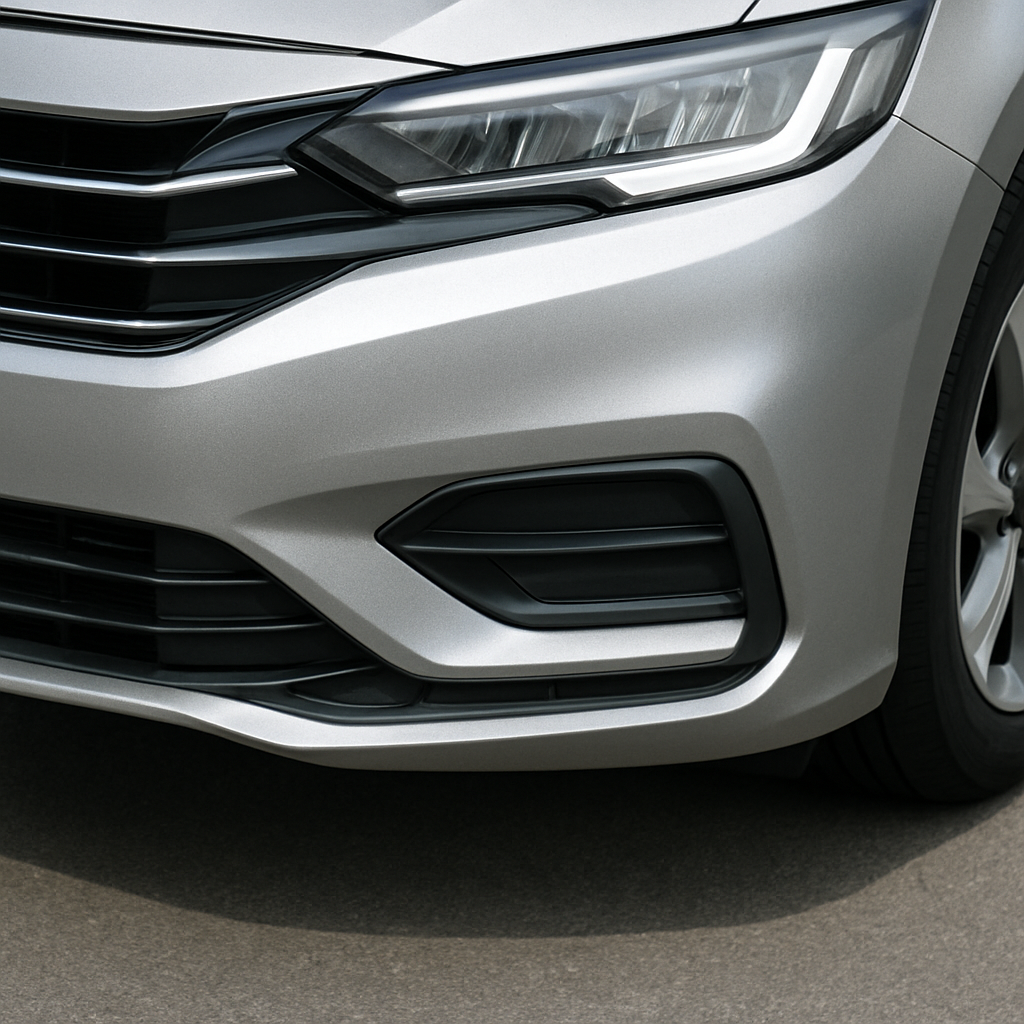
Understanding Car Bumper Materials
The Evolution from Metal to Plastic
In the past, car bumpers were typically made from metal, such as steel or aluminum. These materials were chosen for their strength and ability to absorb impacts. Metal bumpers were robust and provided a sense of durability and safety, often featuring chrome finishes that added to the aesthetic appeal of vehicles. However, as the automotive industry evolved, so did the materials used for bumpers.
Today, plastic has become the dominant material for car bumpers. This shift is due to several factors, including advancements in plastic technology and the increasing demand for lightweight and cost-effective vehicle components. The transition also reflects changes in consumer expectations, with drivers seeking vehicles that offer better fuel efficiency and lower emissions. As a result, manufacturers have embraced plastic for its versatility and the benefits it brings to modern vehicle design.
Common Plastics Used in Bumpers
The plastics used in car bumpers are not just any ordinary plastics. They are specifically engineered to meet the safety and performance standards of the automotive industry. These materials are selected for their ability to withstand the rigors of daily driving, including exposure to varying temperatures and weather conditions. Some of the most common types of plastic used for bumpers include:
- Polypropylene (PP): Known for its flexibility and resistance to impacts, making it ideal for absorbing shocks. It is lightweight and can be easily molded into complex shapes, allowing for innovative bumper designs.
- Polycarbonate (PC): Offers excellent impact resistance and can withstand harsh weather conditions. Its durability makes it suitable for areas of the bumper that require additional strength.
- Acrylonitrile Butadiene Styrene (ABS): A durable plastic that provides a good balance between strength and flexibility. ABS is often used in conjunction with other materials to enhance the overall performance of the bumper.
These plastics are often combined with other materials or coatings to improve their properties further, such as UV resistance or enhanced surface finish. This engineering ensures that plastic bumpers not only meet but often exceed the performance of their metal predecessors.
Advantages of Plastic Bumpers

Lightweight and Fuel Efficiency
One of the main reasons for using plastic in car bumpers is its lightweight nature. Compared to metal bumpers, plastic bumpers significantly reduce the overall weight of the vehicle. This reduction in weight translates to better fuel efficiency, which is a major consideration for car manufacturers and consumers alike. With the automotive industry under pressure to meet stringent fuel economy and emissions standards, reducing vehicle weight is a key strategy in achieving these goals.
The lighter weight of plastic bumpers also contributes to improved handling and performance, as less weight allows for quicker acceleration and more responsive braking. This is particularly important in sports and performance vehicles, where every kilogram counts. Additionally, lighter vehicles exert less wear and tear on roads, which can contribute to lower infrastructure maintenance costs over time.
Cost-Effectiveness
Plastic bumpers are generally more cost-effective to produce than metal bumpers. The production processes for plastic components are often simpler and require less energy, leading to lower manufacturing costs. This cost-effectiveness is passed on to consumers, making vehicles more affordable. The reduced need for expensive raw materials such as steel or aluminum further contributes to the cost savings associated with plastic bumpers.
Moreover, the ability to mass-produce plastic components through processes like injection molding allows manufacturers to produce bumpers at scale without compromising on quality. This scalability is crucial for meeting the high demand in the automotive market and enables manufacturers to offer a wide range of models at competitive price points.
Impact Resistance and Durability
Plastic bumpers are designed to withstand minor impacts and absorb shocks during collisions. This ability to absorb impact helps protect the vehicle’s body and the occupants inside. The materials used in plastic bumpers are engineered to flex upon impact and then return to their original shape, minimizing damage and reducing repair costs. Additionally, plastic bumpers are less prone to denting and rusting compared to metal bumpers, enhancing their durability and longevity.
The durability of plastic bumpers also means they require less maintenance over the vehicle’s lifespan. Unlike metal bumpers that may need regular painting or rust treatment, plastic bumpers maintain their appearance with minimal upkeep. This durability, combined with their ability to withstand environmental factors such as UV exposure and temperature fluctuations, makes plastic bumpers a practical choice for modern vehicles.
Design Flexibility
Plastic offers greater design flexibility than metal, allowing manufacturers to create bumpers with complex shapes and contours. This flexibility enables car designers to achieve aerodynamic designs and enhance the overall aesthetic appeal of the vehicle. The ability to mold plastic into intricate shapes without the constraints associated with metalworking opens up new possibilities for innovative bumper designs.
The aesthetic potential of plastic bumpers is not limited to shape alone. Manufacturers can easily incorporate various textures, colors, and finishes, allowing for a high degree of customization. This design versatility is particularly appealing in the luxury and sports car segments, where unique styling is a key selling point.
Plastic vs. Metal Bumpers
Comparison of Impact Resistance
While metal bumpers are known for their strength, plastic bumpers excel in absorbing low-speed impacts. Plastic bumpers can flex and return to their original shape, effectively minimizing damage. In contrast, metal bumpers may retain dents or require more extensive repairs after an impact. This resilience makes plastic bumpers particularly effective in urban environments, where low-speed collisions are more common.
The ability of plastic bumpers to absorb energy and reduce damage extends to protecting the vehicle’s underlying structure. This means that in the event of a collision, the impact is less likely to be transmitted to other parts of the vehicle, potentially preventing more serious damage and expensive repairs. Additionally, the reparability of plastic bumpers contributes to their overall cost-effectiveness, as minor damages can be addressed without the need for full replacement.
Repairing Plastic Car Bumpers

Repairing plastic bumpers is often easier and less expensive than repairing metal bumpers. Many minor damages, such as scratches or small cracks, can be repaired with plastic welding or adhesive techniques. These repair methods are not only cost-effective but also quick, allowing for fast turnaround times that minimize vehicle downtime. This capability allows for quick and cost-effective repairs, extending the life of the bumper.
In addition to the ease of repair, the availability of replacement parts and aftermarket options for plastic bumpers is extensive. This wide range of options ensures that repairs can be conducted efficiently, with parts readily available for most makes and models. The repairability of plastic bumpers is a significant advantage for consumers, offering peace of mind and long-term savings on maintenance and repair costs.
Environmental Considerations
From an environmental standpoint, plastic bumpers have their pros and cons. On one hand, the production of plastic components typically results in fewer emissions than metal production. This is due to the lower energy requirements and reduced reliance on mining and refining processes associated with metal production. On the other hand, plastic is not biodegradable, and improper disposal can contribute to environmental pollution. However, advancements in recycling technology are helping mitigate these issues by enabling the recycling of automotive plastics.
The automotive industry is increasingly focusing on the sustainability of plastic components, with efforts directed toward improving recycling rates and developing bio-based plastics that offer similar performance characteristics. These innovations aim to reduce the environmental impact of plastic bumpers, ensuring they align with broader sustainability goals. As recycling infrastructure continues to improve, the potential for plastic bumpers to be part of a circular economy becomes more viable.
The Role of Plastic Bumpers in Safety
Enhancing Passenger Safety
Plastic bumpers play a crucial role in protecting passengers during collisions. By absorbing and dispersing impact energy, they help reduce the force transmitted to the vehicle’s occupants. This safety feature is especially important in low-speed collisions, where plastic bumpers can significantly reduce damage and potential injuries. The design and materials used in plastic bumpers are continually evolving to enhance their safety performance, with manufacturers integrating advanced technologies and materials to improve impact absorption.
In addition to protecting vehicle occupants, plastic bumpers contribute to the overall crashworthiness of a vehicle. They work in conjunction with other safety systems, such as crumple zones and airbags, to provide a comprehensive safety package that meets stringent automotive safety standards. This holistic approach to vehicle safety ensures that plastic bumpers remain a critical component in protecting drivers and passengers alike.
Pedestrian Safety
Beyond protecting passengers, plastic bumpers are also designed with pedestrian safety in mind. Their ability to absorb impact energy can minimize injuries to pedestrians in the event of an accident, making them a safer option for urban environments. The design of plastic bumpers can be optimized to reduce the severity of injuries by providing a more forgiving surface during a collision.
Manufacturers are increasingly focused on pedestrian safety, incorporating features such as energy-absorbing materials and designs that minimize the risk of injury. These advancements align with global safety regulations that emphasize the importance of protecting vulnerable road users. As urban areas become more densely populated, the role of plastic bumpers in enhancing pedestrian safety is likely to become even more significant.
The Future of Automotive Plastic Bumpers
Innovations in Plastic Technology
The automotive industry continues to innovate, with researchers and manufacturers exploring new materials and technologies to improve plastic bumpers further. These innovations include the development of even lighter and stronger plastics, as well as the integration of smart technologies for enhanced safety features. For example, some manufacturers are experimenting with materials that have self-healing properties, allowing minor scratches and dents to repair themselves over time.
Smart technologies are also being integrated into bumper designs, such as sensors and cameras that enhance safety and convenience features. These technologies enable advanced driver-assistance systems (ADAS), contributing to the overall safety and functionality of vehicles. As technology continues to advance, the potential for plastic bumpers to incorporate these innovations will only increase, offering exciting possibilities for the future of automotive design.
Sustainable Practices
As environmental concerns grow, the industry is increasingly focusing on sustainability. This involves enhancing recycling practices and exploring bio-based plastics that offer similar performance characteristics to traditional plastics but with a reduced environmental footprint. These bio-based materials are derived from renewable sources, reducing reliance on fossil fuels and minimizing the environmental impact of production.
Sustainable practices also extend to the end-of-life management of plastic bumpers, with initiatives aimed at improving recycling rates and reducing waste. Manufacturers are collaborating with recycling companies to develop more efficient processes for reclaiming and reusing plastic materials. These efforts are critical to ensuring that the automotive industry can meet its sustainability goals while continuing to deliver high-performance vehicles.
Conclusion
Car bumpers made out of plastic have become the norm due to their numerous advantages, including lightweight design, cost-effectiveness, impact resistance, and design flexibility. While there are trade-offs compared to metal bumpers, plastic bumpers offer a balanced solution that meets the demands of modern automotive design and safety standards. The transition to plastic bumpers reflects a broader trend in the industry toward materials that enhance vehicle performance while minimizing environmental impact.
By understanding the benefits and considerations of plastic bumpers, consumers can better appreciate the role they play in vehicle safety, efficiency, and aesthetics. As technology advances, we can expect further improvements in the materials and design of automotive bumpers, driving the industry toward a more sustainable and innovative future. The continued evolution of plastic technology promises exciting developments that will shape the next generation of vehicles, ensuring they are safer, more efficient, and environmentally friendly.