
As you navigate the bustling streets and ever-changing roadways, have you ever considered the pivotal role that bus tail lights play in ensuring a safe and efficient commute? While often overlooked, the evolution of these illuminating components has sparked a fascinating trend in the automotive world. From their humble beginnings as simple signal indicators to the state-of-the-art designs we see today, bus tail lights have become crucial elements of both functionality and style. As a driver, staying informed on these trends not only enhances your ride’s aesthetic appeal but also significantly impacts safety—a paramount concern for everyone on the road.
Tail lights, often taken for granted, are undergoing a remarkable transformation, blending advanced technology with innovative design in ways that are literally illuminating. Imagine cruising down a highway, your bus’s sleek LED tail lights cutting through the night, providing clarity and assurance to the vehicles trailing behind. This technological renaissance in bus tail lights isn’t just about aesthetics; it’s about setting new standards for performance and reliability. As this guide unfolds, you’ll explore the latest trends revolutionizing how you illuminate your ride, ensuring you stay ahead in both style and safety. Prepare to delve into the ultimate guide that will enlighten your perspective and enhance your driving experience.
Evolution of Bus Tail Lights: From Functionality to Style
The history of bus tail lights spans more than a century, tracing back to simple oil lamps mounted on the rear of early motor coaches. Initially, bus tail lights served a basic purpose: indicating the vehicle’s presence and braking to following traffic. These rudimentary fixtures, though essential, offered minimal illumination and no real opportunity for customization. Over time, as automotive engineering advanced, bus tail lights transitioned from oil-fueled lanterns to electric bulbs, marking a significant shift in both performance and reliability.
By the mid-20th century, incandescent bulbs had become the norm for bus tail lights. These bulbs provided brighter light and longer service life compared to their predecessors, but they still suffered from heat generation and limited design flexibility. As buses grew in size and speed, manufacturers sought ways to improve visibility and safety. The emergence of sealed-beam units standardized the shape and brightness of bus tail lights, enabling a more uniform approach to illumination.
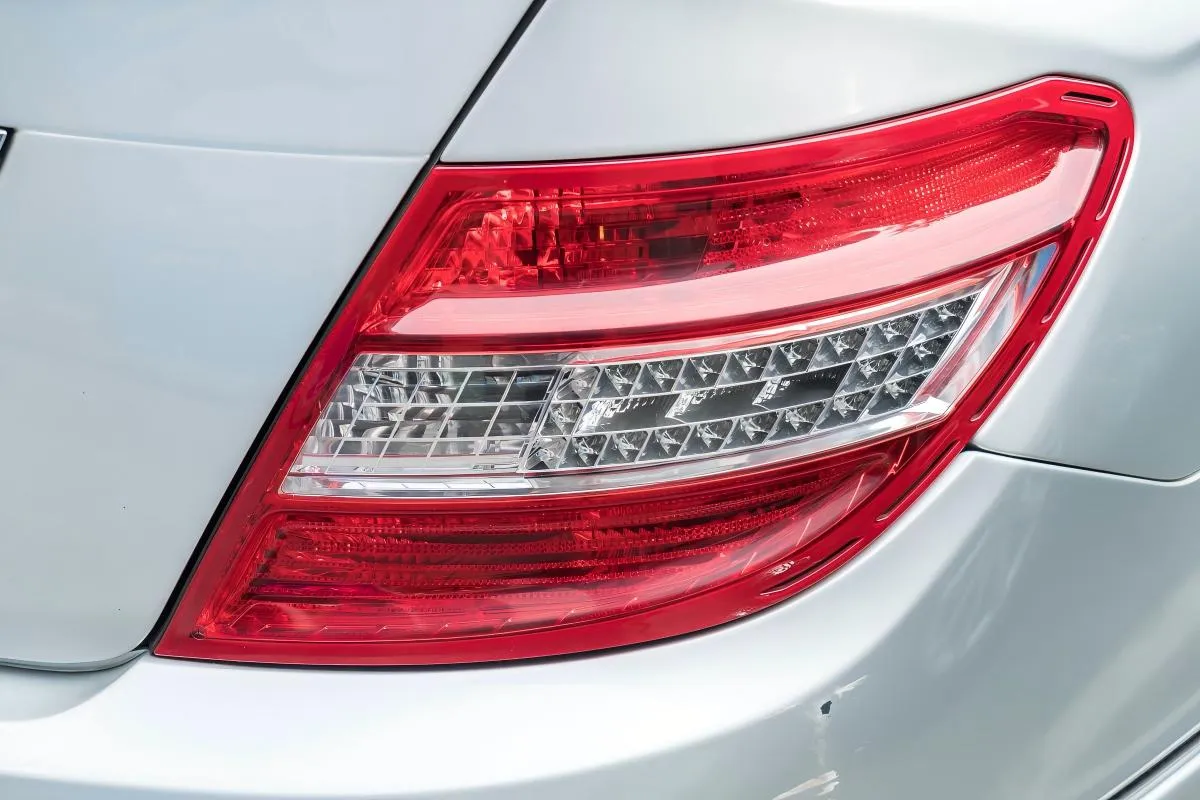
Fast forward to the present day, and bus tail lights have evolved into sleek, multifaceted assemblies that marry form and function. Modern LED technology allows for intricate designs, dynamic lighting sequences, and energy efficiency, propelling bus tail lights from utilitarian necessity to styling focal point. Today’s buses often feature signature taillight patterns that reinforce brand identity and lend a futuristic appearance. From their humble, flickering origins to today’s visually striking LED arrays, bus tail lights have truly come a long way.
Importance of Bus Tail Lights for Safety on the Road
On busy highways and urban thoroughfares, clear communication between drivers is key to preventing accidents. Bus tail lights play a critical role in this communication chain by signaling braking, turning, and vehicle presence to trailing motorists. A properly functioning set of bus tail lights can mean the difference between a smooth stop and a rear-end collision, especially under adverse weather conditions or low visibility.
Beyond signaling, bus tail lights contribute to overall road safety by enhancing the bus’s visibility at dawn, dusk, and nighttime hours. Reflective surfaces integrated into modern bus tail lights help capture and redirect light from other vehicles, making the bus more conspicuous from a distance. In all, investing in high-quality bus tail lights and maintaining them regularly is a proactive measure that fleet operators and private owners alike cannot afford to overlook.
Furthermore, regulatory bodies worldwide mandate specific brightness and color standards for bus tail lights to ensure uniformity and predictability. Failure to comply with these standards can result in fines, liability in the event of an accident, and, most importantly, compromised safety. As technology progresses, the emphasis on standardized yet innovative bus tail lights continues to grow, reinforcing their essential status on the road.
Trendsetting Features in Modern Bus Tail Lights
Modern bus tail lights have evolved far beyond static bulbs; they now integrate intelligent features designed to improve safety and driver communication. From adaptive brake signals to dynamic turn indicators, today’s bus tail lights harness technology to set new benchmarks for functionality while retaining aesthetic appeal.
Whether outfitting a city transit fleet or a private motorcoach, operators find that investing in trendsetting bus tail lights offers both practical benefits and a competitive edge. Below, we explore the standout features reshaping the bus taillight landscape.
LED Technology and Energy Efficiency
Light-emitting diodes (LEDs) have revolutionized the lighting industry, and bus tail lights are no exception. LEDs consume significantly less power compared to incandescent or halogen bulbs, reducing strain on the vehicle’s electrical system and improving overall fuel efficiency. Their exceptional lifespan—often exceeding 50,000 hours—means fewer replacements, lower maintenance costs, and less downtime for buses in service.
Beyond economics, LED arrays deliver superior brightness and faster illumination times. In emergency braking situations, the near-instant response of LEDs provides extra milliseconds for following drivers to react, lowering the risk of collisions. Additionally, LEDs offer unparalleled design flexibility, enabling manufacturers to craft distinctive shapes and lighting patterns that enhance a bus’s visual identity and roadside presence.
Dynamic and Sequential Lighting Patterns
Static brake lights are gradually being supplanted by dynamic and sequential lighting patterns that offer clearer, more intuitive signaling. For instance, a sequential turn indicator lights up individual segments in a flowing motion, guiding onlookers’ eyes and making directional changes more noticeable. Dynamic brake lights, which pulse or intensify in response to hard braking, can warn trailing vehicles of sudden stops more effectively than standard on/off signals.
These advanced lighting behaviors not only elevate safety but also introduce an element of style and sophistication. By integrating microcontrollers and programmable LED drivers, bus tail lights can produce animated sequences, pulsing effects, or customizable color transitions, all while remaining compliant with legal requirements. For operators looking to stand out, these trendsetting features represent the nexus of technology, utility, and design.
Customization Options for Personalizing Your Bus’s Tail Lights
Personalizing bus tail lights is an opportunity to reflect brand identity, personality, or aesthetic preferences. Gone are the days when all bus tail lights looked alike; modern customization options empower operators and owners to tailor their lighting systems to exact specifications. Whether you manage a city fleet or own a vintage coach, the right modifications can transform your bus’s rear end into a signature statement.
Let’s explore the most popular customization avenues available today, ranging from subtle enhancements to bold, attention-grabbing features.
Color Accent Kits and Lens Tints
One of the simplest yet most impactful customizations involves adding color accent kits or tinted lenses to bus tail lights. These kits typically include colored overlays or films that adhere to the taillight lens, allowing you to introduce hues—such as smoked grey, deep red, or even blue—without altering the underlying light output. For a branded look, some operators match accent colors to their fleet’s paint scheme, creating a cohesive visual identity.
High-quality tint films and accent kits are engineered to maintain proper light transmission and ensure compliance with safety regulations. They’re often UV-resistant, scratch-proof, and removable, making them a low-commitment way to test different aesthetic treatments. Whether you’re seeking subtle sophistication or a vivid pop of color, accent kits and lens tints offer a versatile canvas for personalizing your bus tail lights.
Customizable LED Modules and Patterns
For those seeking deeper customization, programmable LED modules unlock infinite design possibilities. These modules consist of addressable LED strips or arrays controlled by onboard microprocessors, enabling bespoke lighting sequences and color combinations. Want a cascading brake light that flows like water? Or a unique startup animation when the bus powers on? Custom LED modules can make it happen.
Installing these systems typically requires a professional retrofit fitter who can program patterns to comply with local transport laws. However, once installed, operators can update configurations via simple software tools, changing patterns seasonally, for special events, or to align with marketing campaigns. This level of personalization can set a bus apart, reinforcing brand recognition and delighting passengers with innovative light shows every time they ride.
Enhancing Visibility and Safety Through Tail Light Upgrades
Upgrading your bus tail lights isn’t merely about aesthetics—it’s a strategic investment in passenger and road safety. Modern upgrade kits are designed to boost brightness, widen visibility angles, and add redundancy to critical lighting functions. By choosing high-grade components and professional installation, fleet managers and private owners can enhance operational safety while reducing maintenance headaches.
Below are key upgrade pathways that deliver the most significant impact on visibility and reliability.
High-Output LED Conversion Kits
Converting incandescent or halogen tail lights to high-output LED kits is one of the most effective ways to increase rearward visibility. These kits replace the traditional bulb and socket assembly with plug-and-play LED units that emit more focused, intense light. The result is a clearer, sharper signal that’s easier to see in fog, rain, or bright daylight.
Moreover, LED conversion kits often include built-in heat dissipation mechanisms—such as internal heatsinks or external cooling fans—to ensure peak performance under continuous use. This translates to consistent brightness over time, minimized flicker, and longer service intervals, all of which contribute to safer road operations.
Auxiliary Brake and Marker Lights
Adding auxiliary brake lights and side marker lights can further augment your bus’s visibility profile. Auxiliary brake lights, mounted higher on the rear surface, offer an extra layer of signaling redundancy—especially useful if the primary assembly becomes occluded by dirt or weather. Side marker lights, positioned along the length of the bus, help outline its dimensions, making it more noticeable from oblique angles.
These secondary fixtures are often available in LED form and are wired into the existing brake or clearance light circuits. With minimal power draw and straightforward installation processes, auxiliary lights represent a cost-effective enhancement that can significantly reduce blind-spot-related incidents and improve overall safety margins.
Conclusion: Embracing the Future of Bus Tail Lights
The journey of bus tail lights from simple indicators to high-tech safety and style statements underscores a broader trend in automotive innovation. By embracing LED technology, dynamic patterns, and customizable designs, bus operators can enhance both the safety and appeal of their fleets. Regular upgrades and thoughtful personalization not only reinforce brand identity but also demonstrate a commitment to passenger well-being.
As regulations evolve and lighting technologies advance, staying informed about the latest bus tail light trends will position your vehicles at the forefront of performance and design. Illuminate your ride with confidence, knowing you’ve invested in the future of safe, stylish, and efficient bus travel.


 English
 Русский
 Español
 Français
 Deutsch