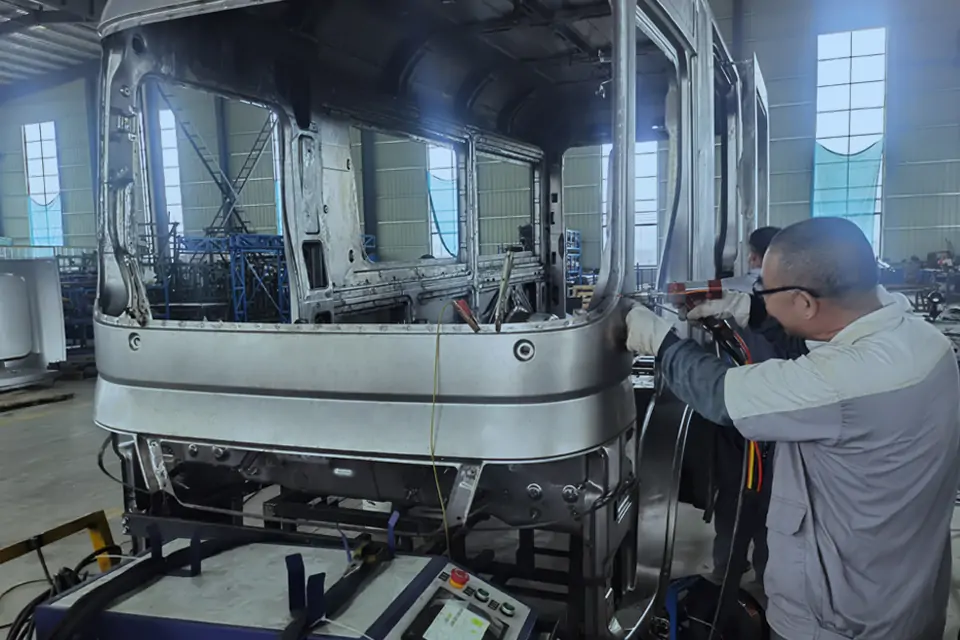
Picture this: your fleet of buses, sleek and sturdy, effortlessly cruising down the highway, every part working in harmony like a well-rehearsed symphony. This vision isn’t just a dream for fleet managers—it’s a necessity. As the backbone of any successful transportation service, maintaining optimal performance of these mechanical giants is crucial. The secret to achieving such seamless operations lies in the understanding and employment of essential heavy duty bus parts. These components aren’t mere replacements; they’re investments in safety, reliability, and efficiency, ensuring your fleet remains a trusted choice on the road.
In the world of fleet management, where every mile counts, the intricate dance between wear and efficiency can often become a challenge. Without the right heavy duty bus parts, minor issues could quickly escalate into costly downtimes. Consider how even a single faulty brake or a malfunctioning engine component can disrupt schedules, derail operations, and lead to unsatisfied customers. By identifying critical parts and keeping them in top form, you not only enhance bus performance but also fortify your company’s reputation for reliability. Join us as we delve into the components that keep the wheels turning and your fleet performing at its zenith.

Understanding the Importance of Heavy Duty Bus Parts
The foundation of any well-operated bus fleet rests upon high-quality heavy duty bus parts. These components are engineered to withstand rigorous daily use, harsh weather conditions, and extended run times, ensuring that each vehicle remains roadworthy mile after mile. Investing in durable parts means minimizing unexpected breakdowns, reducing maintenance downtime, and optimizing fuel efficiency. When your buses are fitted with OEM or premium aftermarket parts—such as reinforced suspension bushings, high-grade engine gaskets, and industrial-strength cooling components—you cultivate a fleet capable of meeting demanding schedules without compromise.
Moreover, the reliance on robust heavy duty bus parts isn’t just about immediate operational needs; it translates directly into long-term cost savings and enhanced passenger safety. Faulty or worn components can lead to cascading failures—an overheated engine might damage the transmission, or deteriorated steering parts could cause handling issues. By proactively replacing critical parts before they fail, fleet managers safeguard against catastrophic repairs and costly liability claims. Ultimately, understanding and prioritizing the right parts elevates your entire maintenance strategy, ensuring that every journey remains safe, punctual, and cost-effective.
Key Components for Optimal Bus Performance
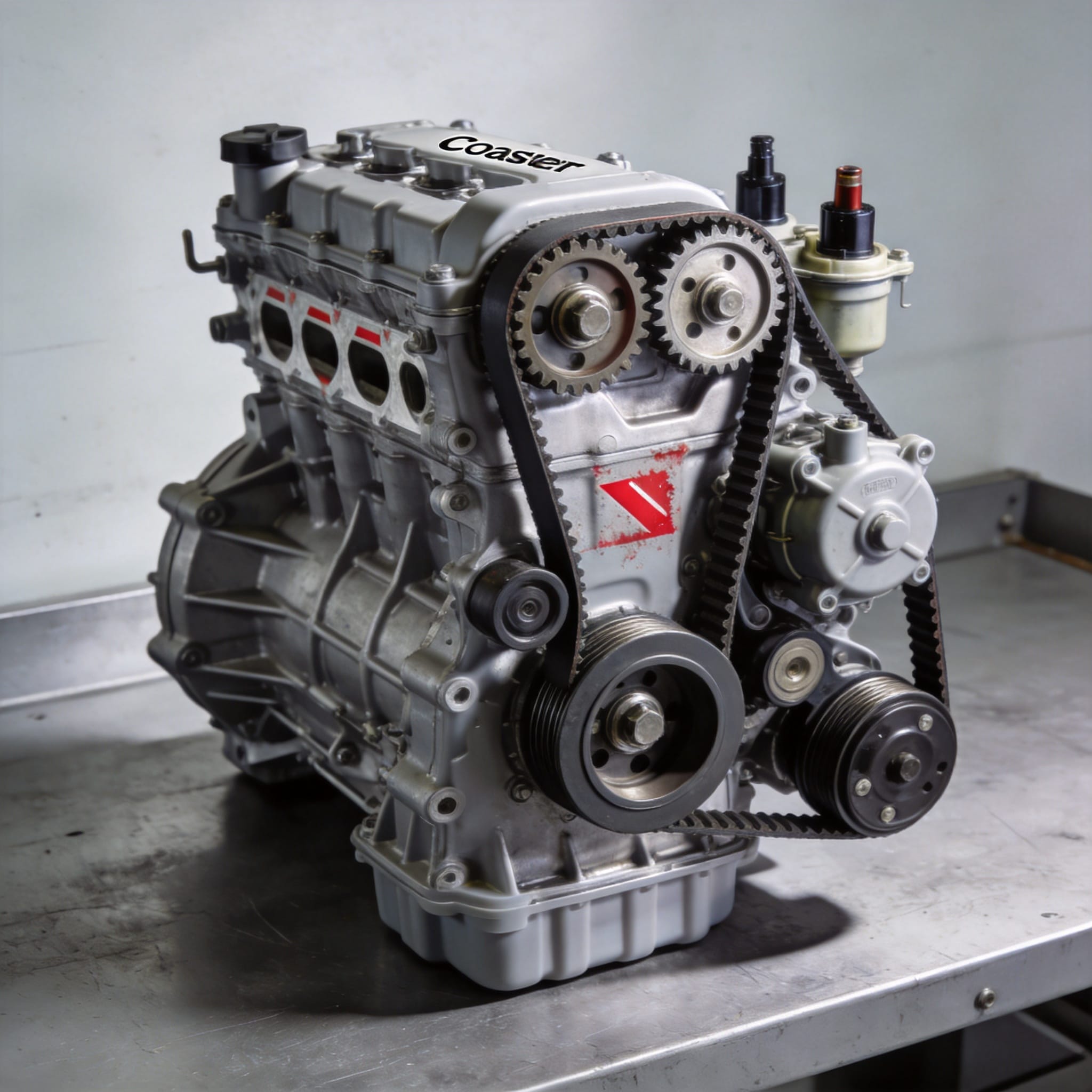
A high-performing bus relies on a carefully selected suite of components designed for heavy-duty operation. At the heart of this setup is the engine assembly, including pistons, rings, valves, and gaskets built to endure high temperatures and pressures. Complementing the engine is a rugged transmission system—whether automatic or manual—that transfers power smoothly under varying loads. Robust clutches, driveline axles, and torque converters ensure that the bus can accelerate and decelerate reliably, even when fully loaded.
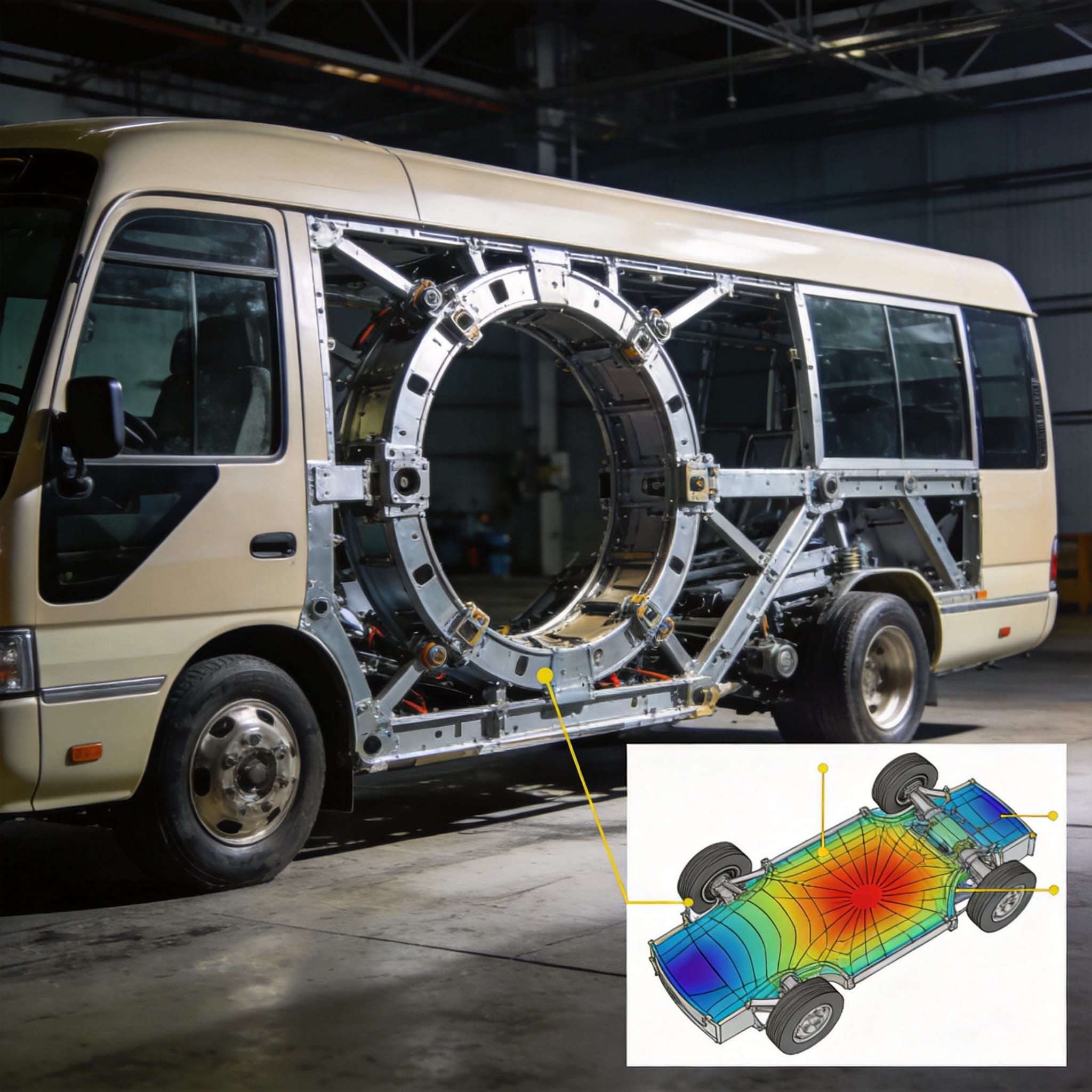
Beyond powertrain elements, suspension and chassis parts play a pivotal role in ride quality and stability. Heavy duty shock absorbers, leaf springs, and reinforced control arms maintain vehicle alignment and dampen road vibrations. Equally critical are the wheels and tires: high-ply tires with deep treads and corrosion-resistant rims minimize blowouts and provide superior grip. Other key components include cooling system parts—radiators, water pumps, and thermostats—as well as fuel filters and injectors that guarantee efficient combustion. Together, these heavy duty bus parts form an integrated network that underpins performance, safety, and passenger comfort.
Electrical Systems: Lights, Signals, and More
Modern buses depend on sophisticated electrical systems to ensure safety, communication, and operational efficiency. From exterior lighting—headlights, taillights, turn signals, and hazard lamps—to internal fixtures like dome lights and passenger reading lamps, every element must perform consistently. Wiring harnesses crafted for high-temperature environments and moisture resistance are at the core, connecting these lights to the main power source without risking shorts or corrosion.
Beyond illumination, electrical heavy duty bus parts encompass batteries, alternators, control modules, and sensors. A reliable battery delivers the initial power surge required for start-up, while a high-capacity alternator maintains voltage levels during operation. Control units and sensors manage systems such as anti-lock brakes (ABS) and electronic stability control (ESC), providing real-time monitoring of wheel speed, brake pressure, and vehicle yaw. Proper maintenance of fuses, relays, and connectors is essential to prevent electrical failures that could impact critical functions—everything from door operations to HVAC controls. Ensuring these parts remain in top condition not only enhances safety but also elevates passenger comfort and overall fleet reliability.
Brake Systems: Ensuring Safety on the Road
Braking systems represent one of the most vital safety subsystems on any heavy-duty bus. Air brake assemblies, common in larger fleets, include compressors, reservoirs, valves, and actuators designed to generate and regulate pneumatic pressure. Drum brakes and disc brakes each have their advantages—drums offer robust performance under heavy loads, while discs provide faster heat dissipation. High-quality brake linings, pads, shoes, and rotors constructed from heat-resistant materials ensure consistent stopping power in diverse operating conditions.
Key heavy duty bus parts in the brake system also include hoses and fittings engineered to resist abrasion, kinking, and moisture intrusion. Brake chambers convert air pressure into mechanical force, and slack adjusters maintain proper clearance between shoes and drums to ensure optimal engagement. Regular inspection of air dryers, moisture separators, and brake fluid reservoirs prevents contamination that could compromise system integrity. By investing in premium brake system components and adhering to rigorous maintenance schedules, fleet managers guarantee reliable, fail-safe stopping performance—protecting passengers, drivers, and other road users alike.
Conclusion: Investing in Excellence for Seamless Fleet Operations
Maintaining a dependable fleet begins with the thoughtful selection and upkeep of essential heavy duty bus parts. From powertrain and suspension components to electrical systems and brakes, each plays a critical role in delivering safe, punctual, and efficient service. Quality parts not only reduce downtime but also extend vehicle lifespan and uphold your reputation for reliability.
As fleet managers strive for operational excellence, prioritizing investments in robust, OEM-grade components will yield dividends in performance and customer satisfaction. By keeping these heavy duty bus parts in prime condition, you ensure every journey remains smooth, secure, and cost-effective—truly harmonizing your fleet’s potential with the demands of the open road.


 English
 Русский
 Español
 Français
 Deutsch