
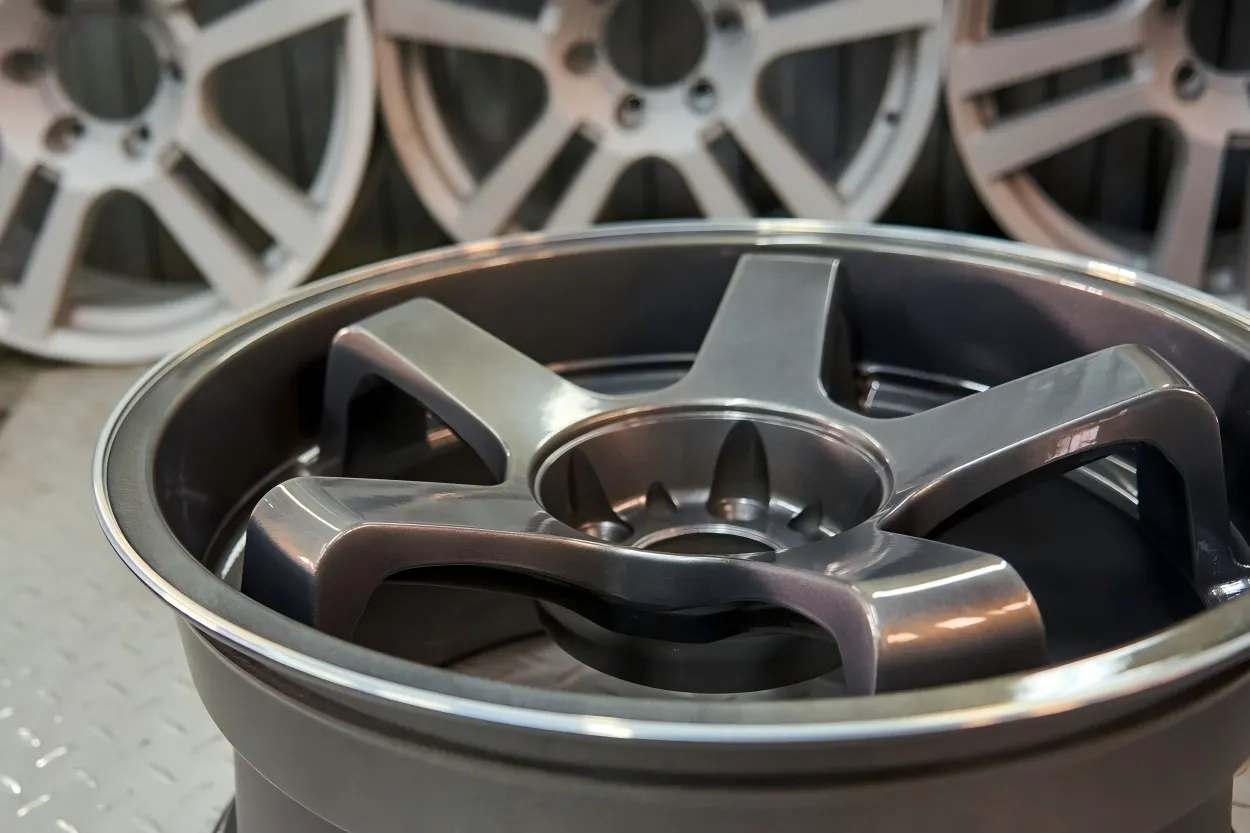
A humming noise that grows louder with speed, an unsettling vibration felt through the steering wheel, or a car that drifts to one side without warning—these might seem like harmless quirks of your vehicle at first. However, they could be the initial whispers of a more significant issue: bad wheel hub symptoms. Ignoring these subtle signs can lead to more than just a bumpy ride; it can compromise your safety on the road. With driving comfort and safety at stake, understanding these symptoms becomes not just important but essential.
The wheel hub is a vital component, acting as the bridge between your car’s wheels and the suspension system. When it begins to fail, the effects ripple through your entire vehicle, impacting performance, fuel efficiency, and most critically, safety. In this blog post, we will delve deep into the array of signals your car might be sending you, allowing you to address them promptly and effectively. Whether you’re a seasoned car enthusiast or a new driver, knowing the telltale signs of a failing wheel hub could be the difference between a smooth drive and a hazardous journey. Let’s empower ourselves with the knowledge needed to keep our rides safe and sound.

Understanding the Wheel Hub: A Crucial Connection Explained
The wheel hub assembly is the unsung hero of your vehicle’s undercarriage. It houses the wheel bearings that enable the wheel to spin freely around the axle with minimal friction. Beyond that, it anchors the wheel to the suspension and steering systems, ensuring precise handling and stability. When components inside the hub start to degrade—tiny bearings pitted by wear, seals compromised by heat or contamination—the assembly’s integrity is jeopardized. This breakdown is the root cause of many bad wheel hub symptoms that drivers experience.
In modern cars, wheel hub assemblies often integrate an anti-lock braking system (ABS) sensor, which monitors wheel speed for optimal brake performance. A failing hub can send erratic signals to the ABS module, triggering warning lights or causing uneven braking. Fuel efficiency can suffer as well—drag from a rough or seized bearing forces the engine to work harder. Recognizing the importance of the wheel hub’s role will help drivers appreciate why the slightest oddity—be it noise, vibration, or misalignment—demands attention sooner rather than later.
The Humming Harbinger: Recognizing the Auditory Signals
A steady, low-pitched hum or growl emanating from the wheel area often marks the earliest warning of wheel hub degradation. This noise typically intensifies with speed and can change in pitch when turning left or right, as different forces act on the failing bearings. Initially, the sound may be subtle—barely more than background drone—but it becomes unmistakable as wear progresses.
It’s not unusual to dismiss such humming as road or tire noise. However, when the buzz shifts pitch, or you notice it in sync with wheel rotation, it’s very likely one of the key bad wheel hub symptoms at play. Pay special attention if the hum grows louder during highway driving; this pattern suggests increased stress on the bearings at higher RPMs. Prompt inspection and bearing replacement can prevent more extensive damage to the hub and steering knuckle.
Drifting Dangers: Addressing the Side-to-Side Movement
When a wheel hub begins to fail, the wheel loses its rock-solid connection to the knuckle, allowing unwanted play. You might notice the vehicle subtly drifting or pulling to one side, even on a straight, level road. This lateral movement isn’t just annoying—it undermines handling precision and can cause premature tire wear.
To diagnose, perform a simple test: with the car lifted and wheel off the ground, attempt to wiggle the wheel at the 12 and 6 o’clock positions. Any perceptible movement indicates excessive hub play. Ignoring this symptom is risky, as the wheel might separate under high-speed or cornering loads, leading to a catastrophic loss of control. Addressing drifting early by replacing the wheel hub assembly restores factory tolerances and keeps your drive stable.
Brake Peculiarities: Unveiling the Impact on Stopping Power
A compromised wheel hub can subtly wreak havoc on your braking system. As bearings wear out, they generate heat and uneven friction, which can distort the brake rotor attached to the hub. You might experience pulsation in the brake pedal or steering wheel when applying brakes, a classic sign of rotor run-out caused by a warped hub interface.
Moreover, the ABS sensor housed in many modern hubs can generate faulty readings when the hub is failing. The ABS warning light may illuminate intermittently, or you might notice the anti-lock function activating when there’s no emergency braking. Both scenarios reduce confidence and can extend your stopping distances. Swapping the hub assembly and resurfacing or replacing the rotors usually resolves these anomalies, restoring crisp, consistent braking performance.
Safety First: Ensuring Roadworthiness Through Timely Action
No driver wants to deal with wheel hub failures, but vigilance and regular maintenance can keep bad wheel hub symptoms at bay. Have your wheel bearings inspected during routine services—especially if you’ve clocked significant mileage. A few extra dollars for preventive replacement far outweigh the costs and dangers of a roadside breakdown or loss of control due to a seized or detached wheel.
When you detect any humming, drifting, or braking oddities, don’t delay. Consult a qualified mechanic who can lift the vehicle, check for play, and measure bearing torque. Early intervention ensures not only smoother, quieter rides but also the robust safety performance you depend on every time you hit the road.


 English
 Русский
 Español
 Français
 Deutsch