
Imagine cruising down the highway, your favorite song playing and the wind in your hair. Suddenly, an unfamiliar rumble disrupts the harmony, and an odd vibration travels through the steering wheel. It’s easy to dismiss these small nuisances amidst the rush of daily life, yet such symptoms often herald something more foreboding: the impending failure of a crucial car component. Recognizing the early signs of a bad wheel hub assembly could save you from a wallet-draining repair or, worse, a dangerous on-road mishap.
Many drivers remain unaware of how a seemingly inconsequential noise can escalate into a major safety concern. According to recent statistics, faulty wheel hub assemblies are one of the top reasons for vehicle breakdowns, leading to costly repairs and compromised safety. This post sheds light on the critical warning signs of a deteriorating wheel hub assembly, arming you with the knowledge to ensure safe and smooth driving experiences. Stay tuned as we delve into the telltale indications that something isn’t quite right under the hood, potentially saving you from unexpected breakdowns and ensuring your ride remains both safe and enjoyable.
Understanding the Role of a Wheel Hub Assembly
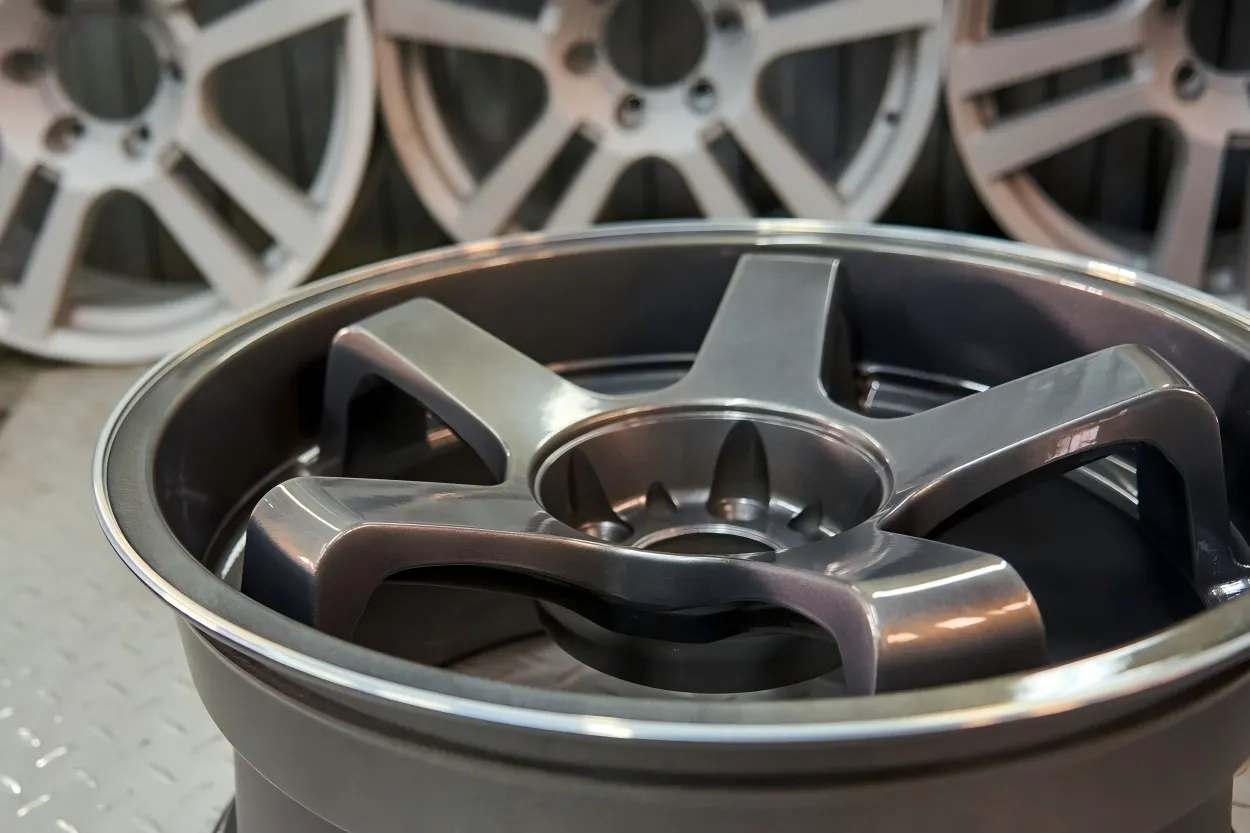
The wheel hub assembly is a vital component in your vehicle’s suspension and steering system. It serves as the mounting point for the wheel and tire, connecting them securely to the axle. Inside this assembly sits the wheel bearing, which allows the wheel to spin smoothly with minimal friction. Over time, exposure to heat, moisture, and road debris can cause the bearings to wear out, compromising the hub’s integrity. One of the primary signs of a bad wheel hub assembly is an increase in wheel play or looseness, which directly affects vehicle stability and handling.
Beyond just facilitating rotation, the hub assembly also supports the weight of the vehicle and helps maintain proper alignment. If the hub begins to degrade, even slightly, it can cause your steering to feel vague and unresponsive. Additionally, many modern vehicles integrate wheel speed sensors into the hub assembly for anti-lock braking and traction control systems. A failing hub may lead to sensor misreads, triggering warning lights or unwanted safety interventions. Recognizing these signs early on can prevent further damage to other suspension parts and save significant repair costs.
Maintaining a healthy wheel hub assembly is essential for every cautious driver. Regular inspections during tire rotations or brake services can identify minor issues before they evolve into full-blown failures. Checking for excessive play, listening for faint grinds when rotating the wheel by hand, and keeping an eye on ABS warning lights are effective ways to monitor hub health. By understanding the critical role this component plays, you’ll be better equipped to spot signs of a bad wheel hub assembly and take prompt action to ensure your vehicle’s safety and performance.
Unusual Noises: The First Indicator of Trouble
One of the most common signs of a bad wheel hub assembly is unusual noise emanating from the wheel area. These sounds often begin subtly, such as a faint humming or grinding noise that appears at higher speeds. Because these noises can easily be mistaken for worn tires or brake issues, many drivers overlook them until they become more pronounced.
As the hub assembly’s bearing deteriorates, metal-on-metal contact increases, producing distinct sounds when the wheel spins. You might notice a rhythmic growl that intensifies when making turns, or a clicking noise that changes with vehicle speed. Ignoring these auditory warnings can lead to complete bearing failure, which may result in wheel lock-up or separation. By paying attention to these early auditory signs of a bad wheel hub assembly, you can address the problem before it jeopardizes your safety on the road.
Uneven Tire Wear: Indicative of Hub Assembly Issues
Uneven tire wear is another telling symptom of hub assembly failure. When the wheel hub assembly is compromised, it can cause the wheel to wobble or sit at an incorrect angle. This misalignment places uneven pressure on the tire tread, leading to irregular wear patterns such as cupping, scalloping, or feathering. If you notice one tire wearing faster on the inside or outside edge compared to the rest, it’s important to consider that the hub assembly might be at fault.
Aside from affecting tire lifespan, uneven wear can degrade vehicle handling and fuel efficiency. Tires that wear irregularly provide less traction, especially in wet or slippery conditions, and force your engine to work harder to maintain speed. During routine maintenance, pay close attention to the tread on all four tires. If only one or two show disproportionate wear, have a technician inspect the wheel hub assembly and related suspension components. Addressing this sign early not only extends tire life but also prevents more expensive repairs down the line.
ABS Warning Light: A Modern Indicator of Potential Trouble
Modern vehicles rely on wheel speed sensors embedded in the wheel hub assembly to manage anti-lock braking (ABS) and traction control systems. When these sensors detect abnormal wheel speeds, they send signals to the vehicle’s electronic control unit. If a hub assembly begins to fail, the sensor’s readings can become erratic or cease altogether, illuminating the ABS warning light on your dashboard. This warning should never be ignored, as it indicates that your safety systems may not be functioning correctly.
Driving with the ABS light on can compromise braking performance, especially during emergency stops or on slick surfaces. Additionally, traction control and electronic stability systems may be disabled, increasing the risk of losing vehicle control. If you observe the ABS warning light flashing or remaining lit, have your vehicle scanned for error codes. A trained technician can determine whether the issue stems from a faulty wheel hub assembly or sensor wiring. Prompt diagnosis and replacement of a bad hub assembly will restore full functionality to your safety systems and keep you protected on the road.
Conclusion: Prioritizing Safety Through Proactive Maintenance
Spotting the signs of a bad wheel hub assembly early—whether it’s strange noises, uneven tire wear, or an illuminated ABS warning light—can save you from costly repairs and dangerous breakdowns. Routine inspections and timely repairs are key to maintaining optimal vehicle performance.
By staying vigilant and addressing these warning signs promptly, you ensure not only your safety but also that of your passengers and other road users. Don’t wait for a minor issue to become a major failure—schedule regular maintenance and keep your wheel hub assemblies in top condition.


 English
 Русский
 Español
 Français
 Deutsch