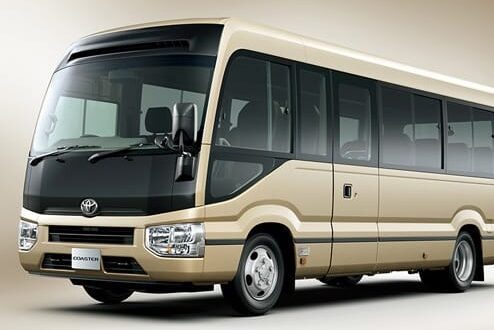
Imagine a bustling city where buses operate continuously to transport thousands of passengers daily. These vehicles depend heavily on exterior bus parts to ensure safety, durability, and operational efficiency. By shifting from reactive repairs to preventive maintenance strategies, fleet operators can significantly extend vehicle lifespan and improve performance.
This guide explores key bus exterior components, their functions, and how proactive maintenance enhances public transportation standards.

The Role of Exterior Bus Mirrors in Driver Visibility
Exterior bus mirrors are essential for ensuring driver visibility and road safety. These components include:
- Flat mirrors for rear visibility
- Convex mirrors for eliminating blind spots
- Wide-angle mirrors for urban navigation
Properly maintained mirrors help drivers detect pedestrians, cyclists, and nearby vehicles, reducing accident risks.
Regular maintenance tips:
- Clean mirrors with non-abrasive solutions
- Check for cracks or loose mounts
- Inspect heating and anti-glare features
Advanced mirror systems with heated glass and anti-fog technology further improve safety in harsh weather conditions.
Bus Panels and Their Impact on Passenger Safety

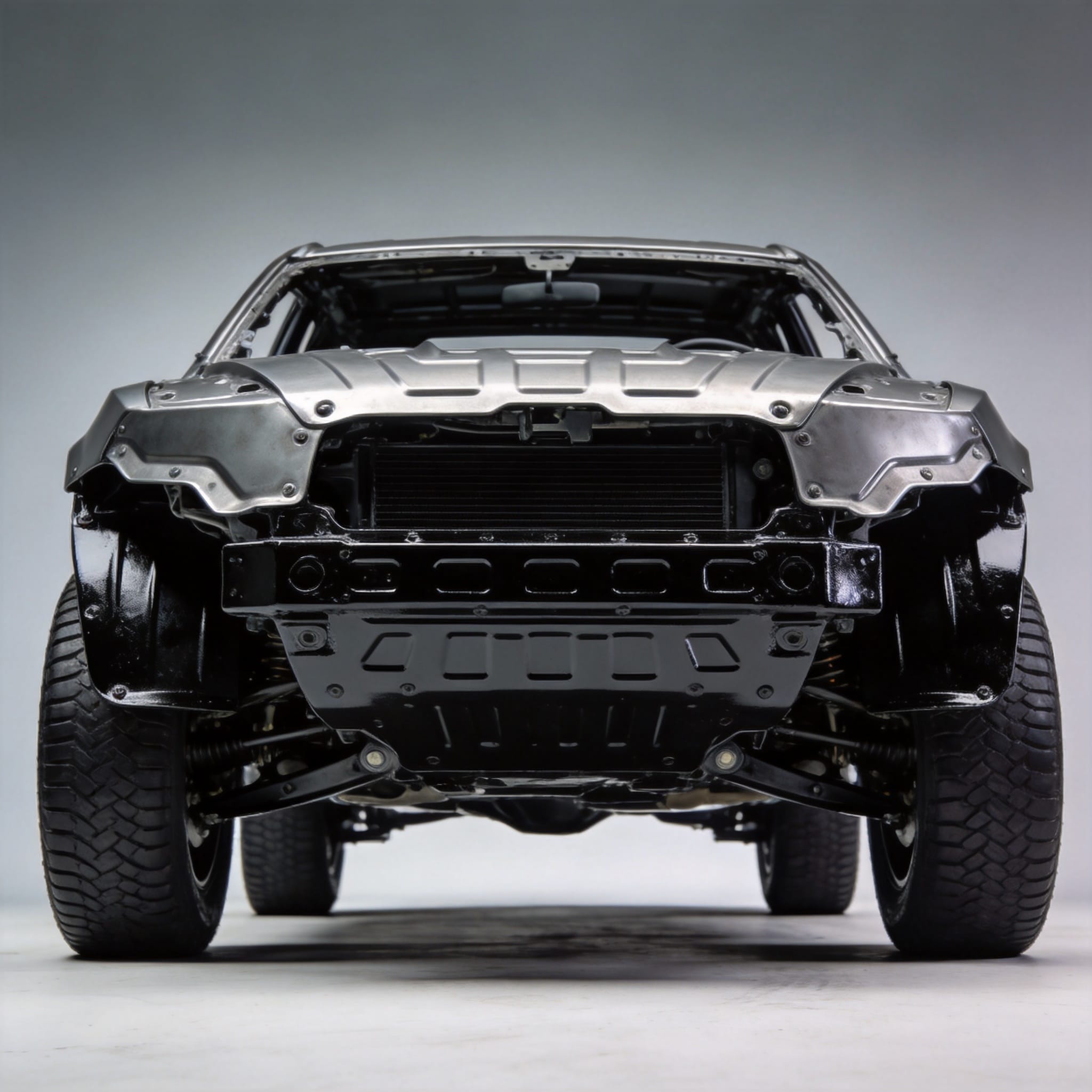
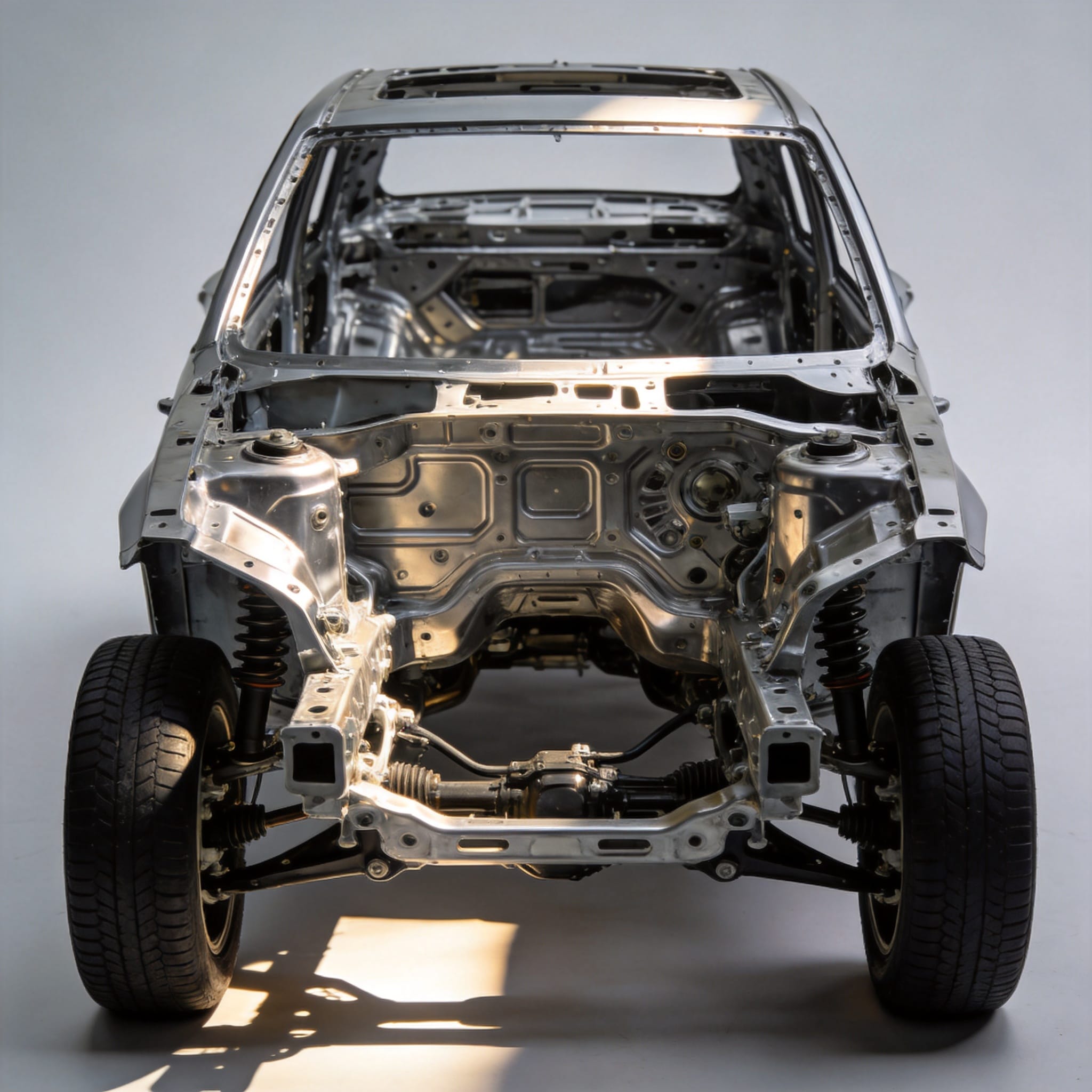
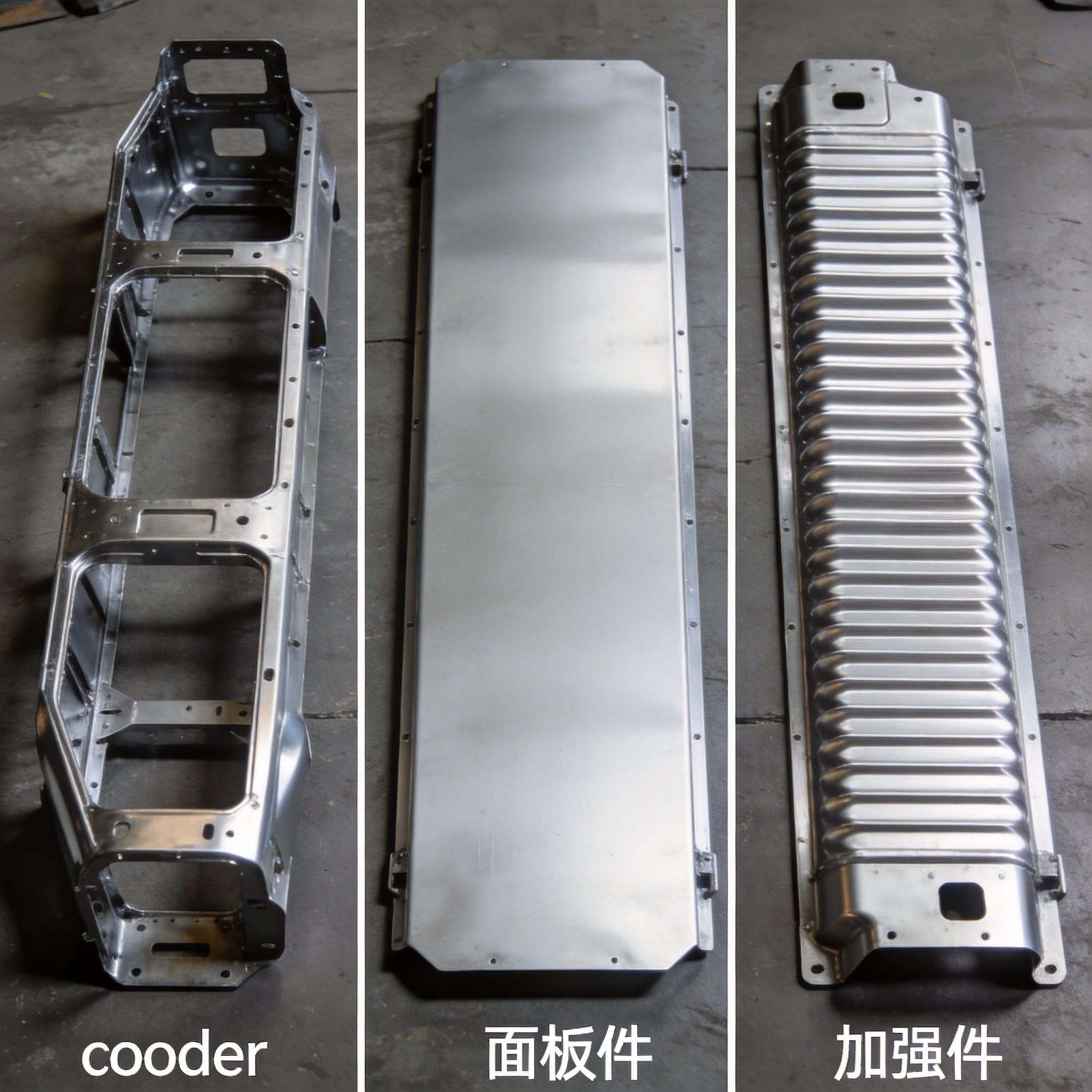
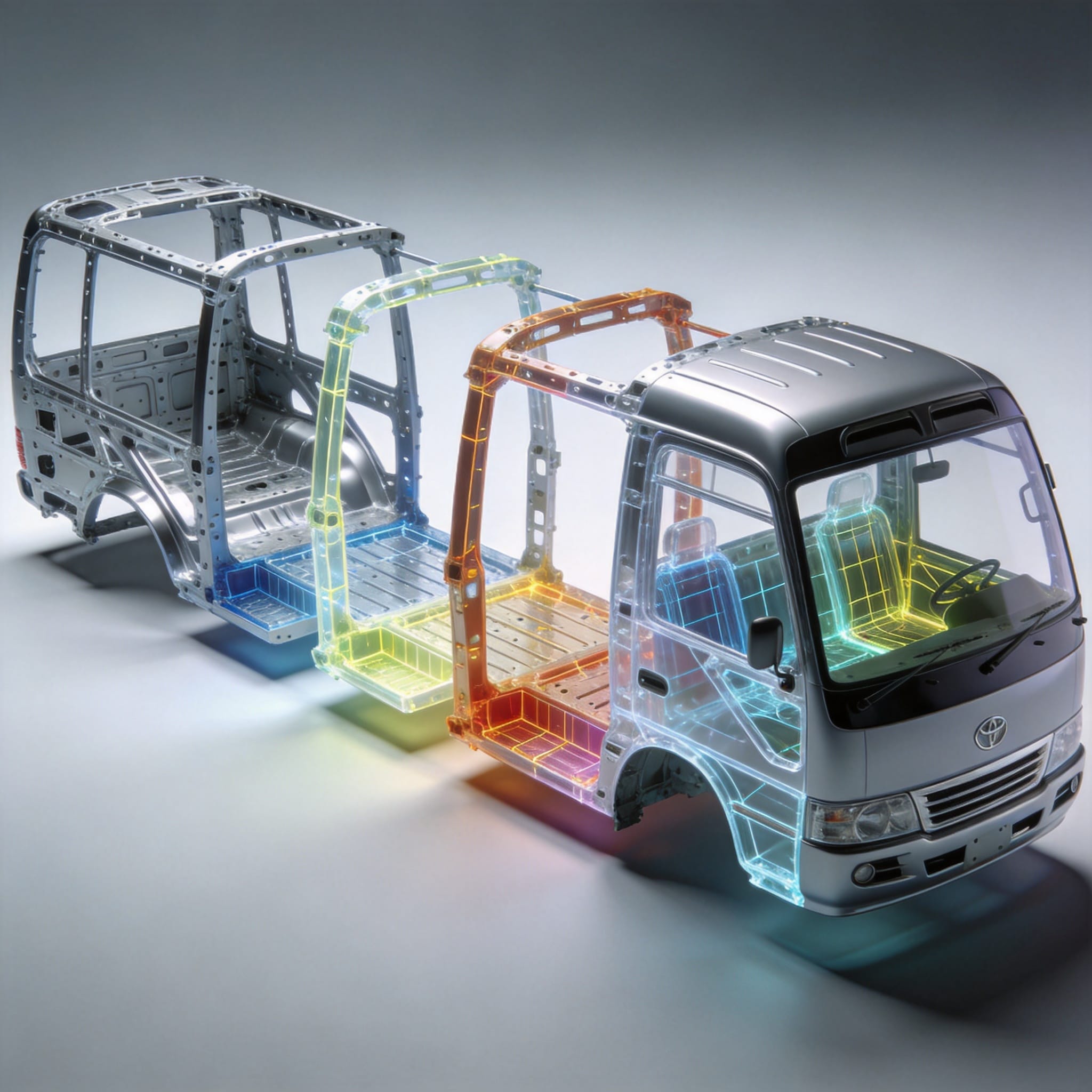
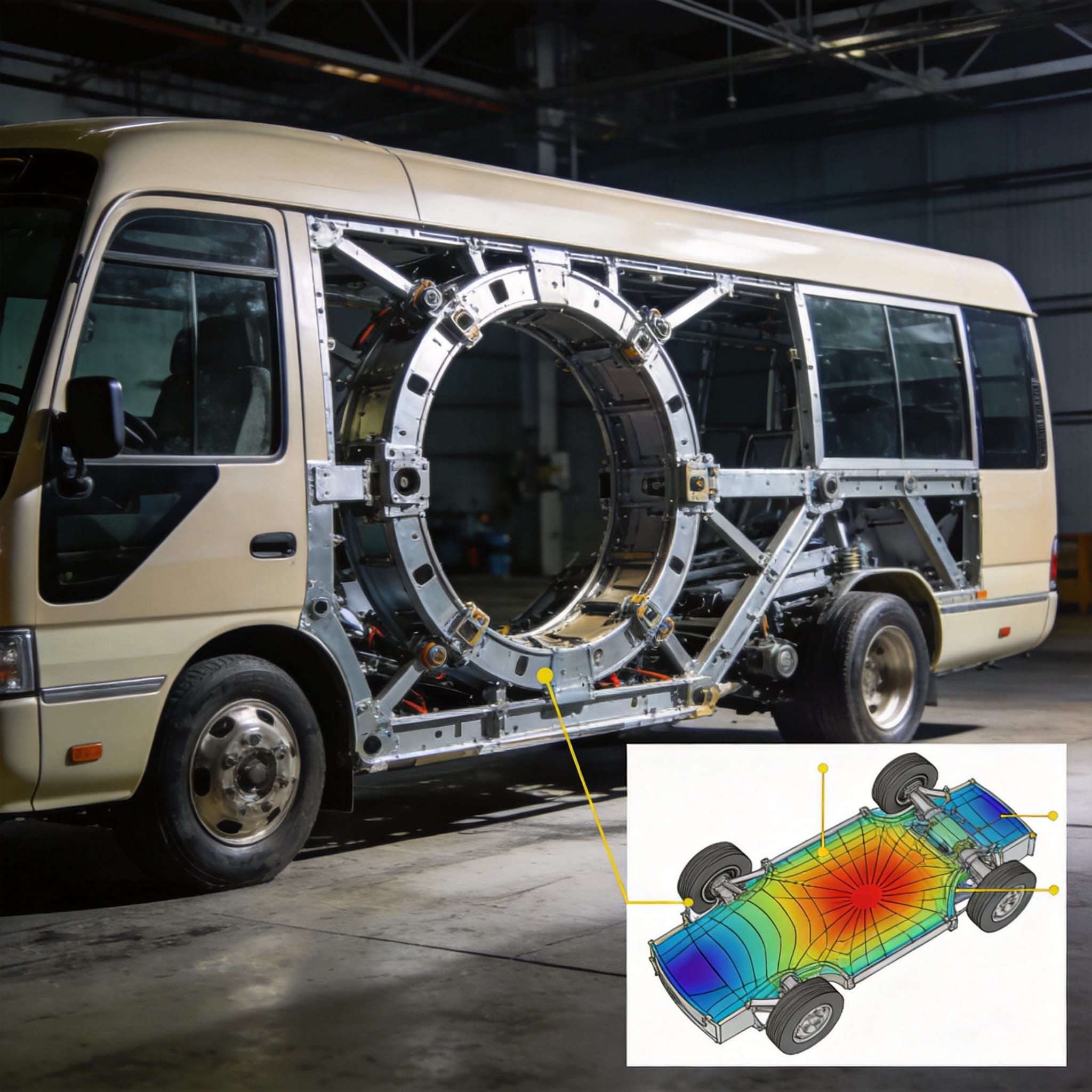
Bus panels form the outer shell of the vehicle, making them critical structural and protective components among exterior bus parts.
Key benefits include:
- Protection from external impacts and debris
- Enhanced structural integrity
- Improved passenger safety during collisions
Materials such as aluminum, steel, and composite panels provide durability while maintaining a lightweight structure.
Maintenance recommendations:
- Inspect for dents, corrosion, or loose fasteners
- Repair damage promptly to prevent structural weakening
- Apply anti-rust coatings and protective finishes
Well-maintained panels also contribute to aerodynamics and fuel efficiency, reducing long-term operational costs.
Lights and Signals: Communication and Visibility on the Road
Lighting systems are vital exterior bus parts that ensure visibility and communication with other road users.
Key components include:
- Headlights and fog lights
- Brake lights and taillights
- Turn signals and hazard lights
- Reflectors and side marker lights
Modern buses increasingly use LED lighting systems, which offer:
- Higher brightness
- Longer lifespan
- Lower energy consumption
Routine maintenance should include:
- Checking all light functions regularly
- Inspecting wiring and connectors
- Cleaning or replacing lenses
Proper lighting reduces accidents and ensures compliance with transport safety regulations.
Weatherproofing Exterior Bus Parts for Durability
Weather exposure can significantly impact the lifespan of exterior bus components. Effective weatherproofing strategies protect buses from:
- Moisture and corrosion
- UV radiation
- Road salt and environmental pollutants
Common protective measures:
- High-quality paint coatings and primers
- Sealants for joints and seams
- Protective films on high-impact areas
Regular cleaning and inspection of drainage systems help prevent water accumulation and hidden damage.
FAQ
What are exterior bus parts?
Exterior bus parts include components such as mirrors, panels, lights, bumpers, and protective coatings that are mounted on the outside of a bus and contribute to safety, durability, and performance.
Why are bus mirrors important?
Bus mirrors improve driver visibility, reduce blind spots, and help prevent accidents, especially in crowded urban environments.
How often should exterior bus parts be inspected?
Routine inspections should be conducted daily for critical components (like lights and mirrors), and more detailed checks should be done during scheduled maintenance intervals.
What materials are commonly used for bus panels?
Bus panels are typically made from aluminum, steel, or composite materials, offering a balance of strength, durability, and lightweight performance.
How can weather damage be prevented on buses?
Applying protective coatings, sealing joints, regular cleaning, and using UV-resistant materials can help protect buses from environmental damage.
Conclusion: Enhancing Bus Performance Through Preventive Maintenance
Exterior bus parts play a crucial role in vehicle safety, efficiency, and longevity. By implementing proactive maintenance practices—such as routine inspections, timely repairs, and modern protective technologies—fleet operators can:
- Reduce downtime and repair costs
- Improve passenger safety and comfort
- Extend vehicle service life
- Strengthen public trust in transportation systems
Investing in the maintenance of exterior components is not just about appearance—it’s a strategic approach to sustainable and reliable public transportation.

 English
 Русский
 Español
 Français
 Deutsch