
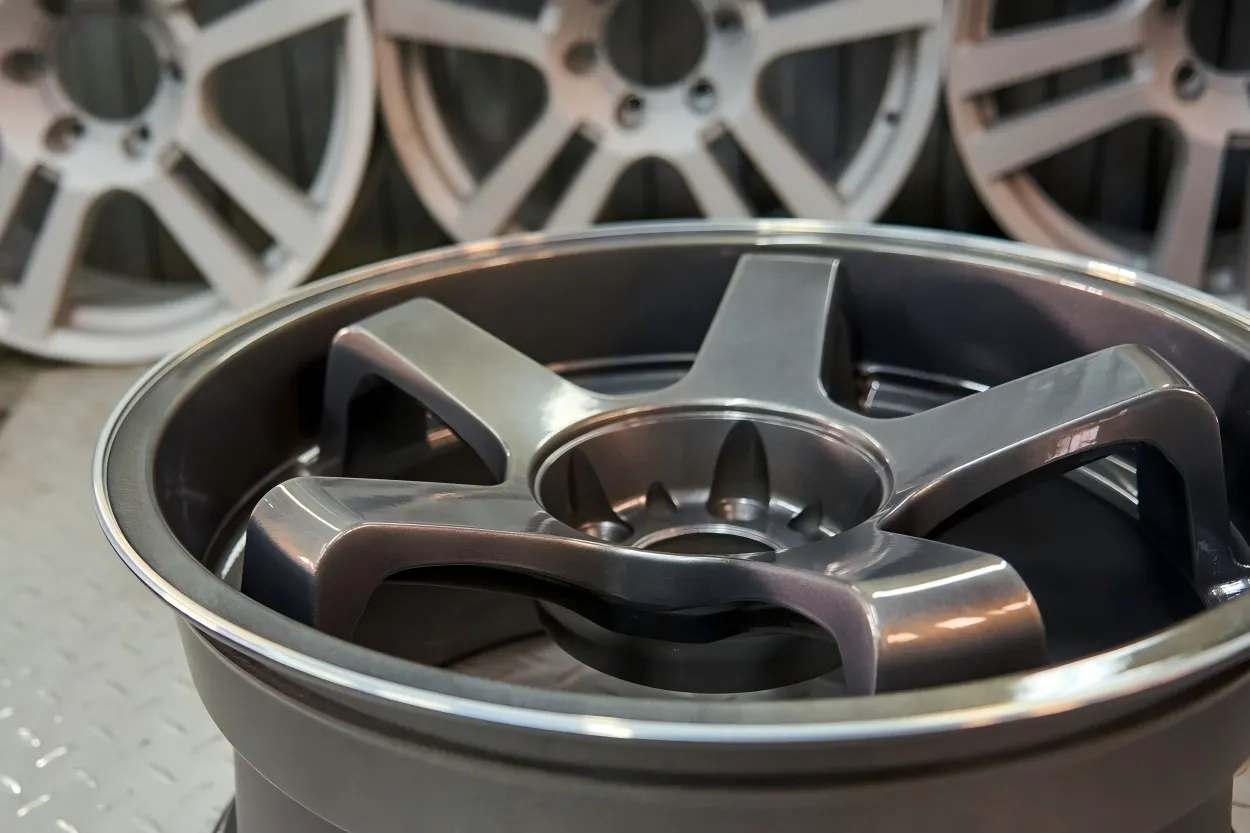
Imagine soaring down your favorite trail, the wind whipping past as you carve into each turn with precision. But suddenly, a dreaded creak and a subtle wobble disrupt your ride. Stop for a moment and consider this: could your rear wheel hub be holding you back from unlocking your bike’s true potential? The right hub isn’t just a component; it’s the heartbeat of your ride, ensuring every spin of the wheel propels you smoothly forward, maintaining stability and control.
In the world of cycling, the rear wheel hub often goes unnoticed until it malfunctions, yet its role is pivotal. From providing the connection between your wheels and the frame to influencing the overall efficiency and responsiveness of your ride, choosing the right rear wheel hub is paramount. In this blog post, we delve into why selecting an appropriate hub can make a world of difference, enhancing not only your speed but also your overall biking experience. Prepare to explore the intricacies of this crucial component and how it can unlock your ride’s potential like never before.

Understanding the Importance of the Rear Wheel Hub
The rear wheel hub sits at the core of your bicycle’s drivetrain, acting as the interface between your wheel and the rest of the bike. It houses the axle, bearings, and engagement mechanism that allow your wheel to spin freely when coasting and lock up when you pedal. Without a high-quality rear wheel hub, your ride quality suffers—you may encounter resistance, play, or even a catastrophic failure that leaves you stranded on the trail. The hub’s precision engineering determines how smoothly power is transferred from your pedals to the ground, so a well-engineered hub delivers immediate responsiveness and consistent performance.
Moreover, the rear wheel hub directly impacts durability and maintenance intervals. A robust hub with sealed bearings keeps out dirt, grit, and moisture, reducing wear and tear on internal components. Conversely, a poorly sealed or low-precision hub can lead to premature bearing failure, creaking noises, and increased rolling resistance. Riders who demand reliability—whether they’re commuting, touring, or pushing the limits on downhill runs—must recognize that the hub is not a throwaway part. Investing in the right rear wheel hub pays dividends in terms of long-term reliability, minimal upkeep, and predictable behavior under stress.
Types of Rear Wheel Hubs: Exploring Your Options
When shopping for a rear wheel hub, you’ll encounter a range of designs tailored to specific riding styles and budgets. The two primary categories are freehub bodies and traditional threaded drivers. Freehub bodies incorporate a splined interface that works with modern cassette systems, enabling quick gear changes and easier upgrades, while threaded drivers use a screw-on freewheel mechanism more common on older or budget bikes. Each type delivers distinct engagement characteristics, weight differences, and maintenance demands.
Beyond driver style, hubs vary by bearing type (cup-and-cone vs. sealed cartridge), flange diameter, spoke count compatibility, and engagement mechanism. Sealed bearing hubs offer low maintenance and easy bearing swaps, whereas cup-and-cone hubs provide customizable preload adjustments at the cost of more frequent servicing. Engagement mechanisms include pawl-based systems—with varying numbers of engagement points affecting engagement speed—and ratchet systems prized for even load distribution and simplicity. By understanding these options, you can match a hub’s features to your riding discipline—road, cross-country, enduro, gravel, or touring—and strike the ideal balance between weight, durability, and performance.
The Impact of Hub Design on Riding Performance
A hub’s internal geometry and engagement system directly influence your ride’s acceleration, responsiveness, and overall efficiency. High-engagement hubs with multiple pawls or micro-ratchets deliver almost instant power transfer, making them ideal for technical climbing or sprinting. Conversely, lower-engagement designs may feel sluggish off the line but can be more durable and require less frequent service. The shape of the hub’s flanges and the distance between them affect wheel strength and stiffness; wider flanges yield a more laterally stiff wheel that tracks straighter through corners and under load.
Materials and machining tolerances also matter. CNC-machined aluminum hubs often shave grams while maintaining rigidity, whereas steel or titanium axles can withstand heavier riders and aggressive landings. Precision machining ensures consistent bearing alignment, reducing friction and preventing premature wear. Some advanced hubs feature removable end caps or modular designs, allowing compatibility with different axle standards and brake mounts. By selecting a hub engineered for your riding conditions—be it cross-country races, downhill trails, or gravel adventures—you’ll unlock the performance potential inherent in your bike’s chassis and drivetrain.
Maintenance Tips to Prolong Your Rear Wheel Hub’s Lifespan
Proper maintenance is the key to maximizing the lifespan and performance of your rear wheel hub. First, inspect your hub periodically for play, roughness, or unusual noises. Early detection of bearing wear or pawl issues can prevent more serious damage. Use a torque wrench to ensure end caps and axle nuts are tightened to manufacturer specifications, avoiding over-tightening that can compress bearings or strip threads.
Regular cleaning is equally vital. After muddy or wet rides, flush the hub shell with low-pressure water—avoiding direct spray on seals—and let it dry thoroughly. Remove the end caps and apply a light, waterproof grease to pawl springs and contact points to maintain reliable engagement. For cup-and-cone hubs, disassemble the bearings, clean the races and cones, then re-grease and adjust preload to eliminate play without binding. Sealed cartridge hubs require less attention but still benefit from occasional bearing replacements as part of a pre-season service regimen.
Installing a New Rear Wheel Hub: A Step-by-Step Guide
Swapping in a new rear wheel hub may seem daunting, but with the right tools and patience, you can complete the task at home. Begin by removing the wheel from the bike and releasing the cassette or freewheel from the old hub using the appropriate lockring tool and chain whip. Lay out all parts in order to simplify reassembly. Next, remove end caps and axle from the old hub, noting any spacers or shims used for proper alignment.
Install the new hub shell onto your spokes or the retained wheel rim, ensuring the spoke tension and radial dish are correct before tightening the spokes fully. Slide the axle through, seat the bearings or end caps, and torque to specification. Reinstall the cassette or freehub body, applying a thin layer of grease to the splines to ease future service. Finally, mount the wheel back onto your frame, secure your axle or quick-release skewer, and spin the wheel to check for smooth operation and proper dish. A quick test ride will confirm engagement and braking alignment, leaving you ready to enjoy a revitalized ride experience.
Conclusion: Unleashing Your Bike’s Full Potential
Choosing and maintaining the right rear wheel hub transforms your bike from ordinary to exceptional. A high-quality hub delivers crisp engagement, durable operation, and the confidence to tackle any terrain.
By understanding hub types, design impacts, and maintenance best practices, you’ll unlock peak performance and reliability—ensuring every ride is as smooth and responsive as possible.


 English
 Русский
 Español
 Français
 Deutsch