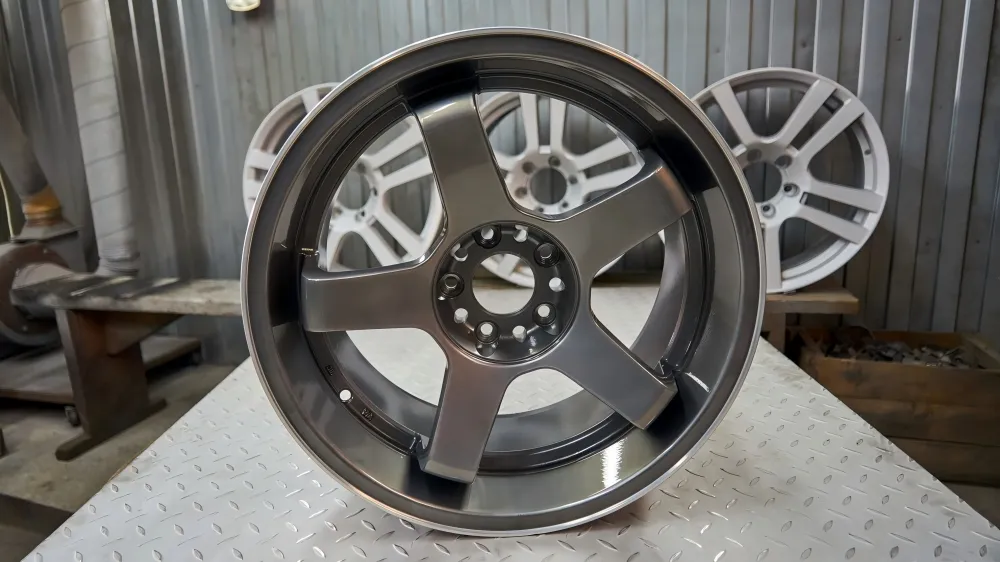
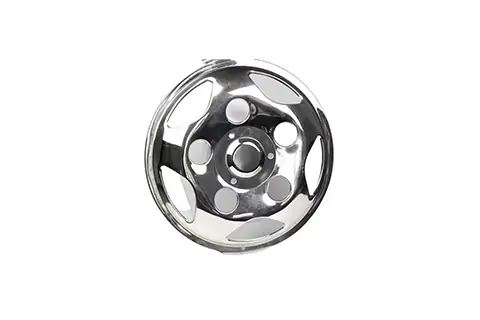
Wheel hubs are a central component of a vehicle’s wheel system that connects the wheel to the axle. It plays a critical role in allowing the wheels to rotate smoothly while supporting the weight of the vehicle. As a key part of modern automotive wheel hub systems, it integrates with bearings, sensors, and mounting points to ensure safe and efficient driving.
Table of Contents
ToggleIn most modern vehicles, the wheel hub assembly comes pre-assembled with bearings and sometimes ABS sensors, making installation and replacement more convenient.
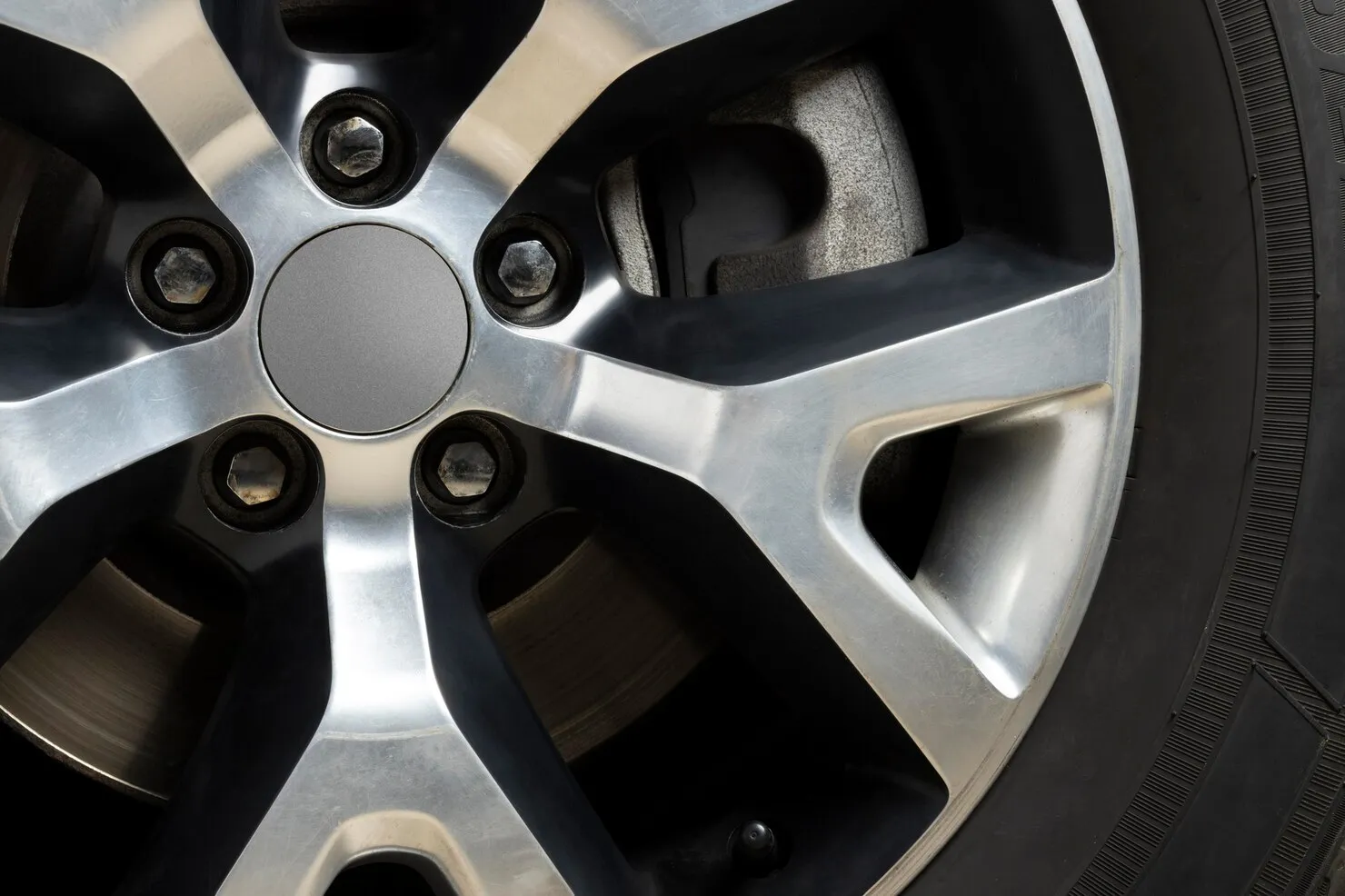
Key Components of a Wheel Hub Assembly
Hub Body
The hub body is the main structure that holds the wheel in place. It includes bolt holes for securing the wheel and ensures proper alignment with the axle.
Wheel Bearings
The hub bearing is essential for smooth wheel rotation. It reduces friction and allows the wheel to spin freely, even at high speeds.
ABS Sensor (Optional)
Many modern wheel bearing hub units include an Anti-lock Braking System (ABS) sensor. This sensor monitors wheel speed and improves braking performance and safety.
Types of Wheel Hubs
Driven vs. Non-Driven Wheel Hubs
- Driven hubs: Connected to the drivetrain and deliver power to the wheels
- Non-driven hubs: Allow free rotation without transmitting power
Front Wheel Hubs vs. Rear Wheel Hubs
- Front wheel hub: Often more complex due to steering and drivetrain integration
- Rear wheel hub: Typically simpler but still essential for stability and load support
Why the Wheel Hubs Are So Important
Ensures Smooth Rotation
A properly functioning car wheel hub allows wheels to rotate without resistance, improving driving comfort and efficiency.
Supports Vehicle Weight
The hub assembly carries the vehicle’s load and distributes it evenly across the wheels.
Enhances Safety
A damaged or worn wheel hub assembly can lead to unstable driving, unusual noises, or even wheel detachment in extreme cases.
Signs of a Failing Wheel Hubs
Recognizing early warning signs can prevent serious issues:
- Grinding or humming noise while driving
- Vibration in the steering wheel
- Uneven tire wear
- ABS warning light activation
- Looseness in the wheel
If you notice these symptoms, it may be time for a hub assembly replacement.
Choosing the Right Wheel Hub Replacement
Compatibility
Always select a wheel hub assembly that matches your vehicle’s make, model, and year for proper fit and performance.
Quality Materials
High-quality auto spare parts ensure durability and resistance to heat, friction, and environmental conditions.
OEM vs. Aftermarket
- OEM parts: Reliable and vehicle-specific
- Aftermarket parts: Cost-effective with varying quality levels
Installation and Maintenance Tips
- Ensure proper torque when installing bolts
- Regularly inspect for wear and damage
- Keep components clean and lubricated where applicable
- Replace worn bearings promptly
Routine maintenance helps extend the lifespan of your vehicle’s suspension parts and ensures optimal performance.
Conclusion
The wheel hub is a vital component that directly affects your vehicle’s safety, stability, and driving experience. From enabling smooth rotation to supporting the entire vehicle weight, its role cannot be overlooked.
Whether you are replacing a worn-out wheel bearing hub or upgrading your system, choosing high-quality components will ensure long-lasting performance and peace of mind on the road.