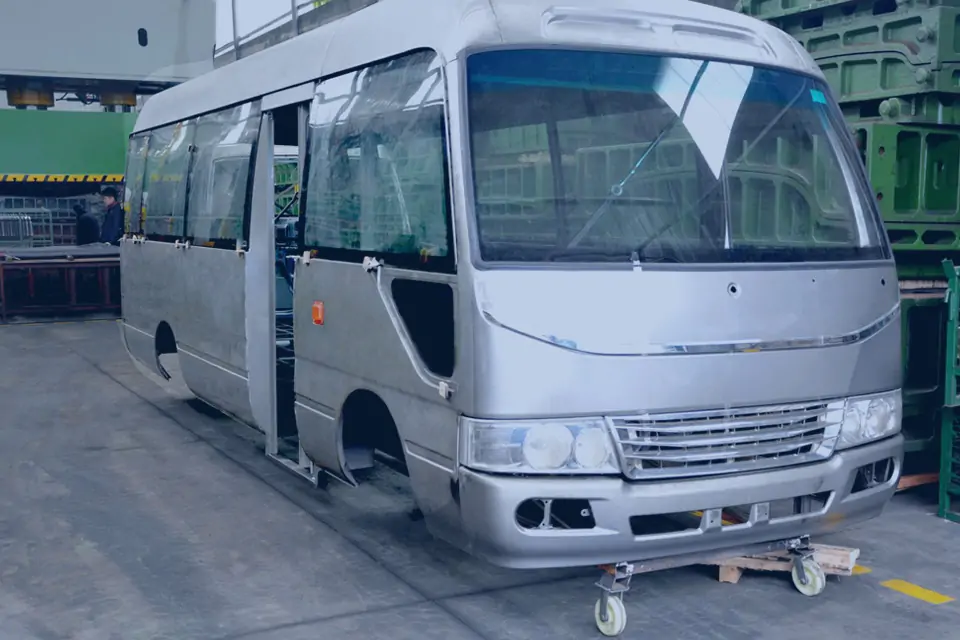

Car bumpers are essential components of a vehicle, designed to absorb impact during collisions and protect both the car and its occupants. Understanding the materials used in car bumpers can provide insight into their functionality, durability, and performance. In this article, we will explore the various materials used in automotive bumpers and their characteristics.

In the early days of automobile manufacturing, bumpers were primarily made from heavy metals like steel. These steel bumpers were robust and provided excellent protection. However, they were also heavy, which affected the vehicle’s fuel efficiency and handling.
As automotive technology advanced, manufacturers sought to design lighter and more efficient vehicles. This led to the development of new bumper materials that offered a better balance of strength and weight.
Common Materials Used in Car Bumpers
Steel Bumpers
Steel bumpers are still in use today, particularly in trucks and off-road vehicles where durability and strength are paramount. Steel provides excellent protection and can withstand significant impact without deforming. However, the weight of steel bumpers can be a drawback, affecting the vehicle’s overall performance and fuel economy.
Plastic Bumpers

Plastic bumpers have become the standard in most modern vehicles due to their lightweight nature and ease of manufacturing. These bumpers are typically made from thermoplastic materials, which can be molded into complex shapes and provide a smooth, aerodynamic design. Common types of plastics used in bumpers include:
Polypropylene Bumpers
Polypropylene is a popular material for car bumpers due to its flexibility and resistance to impact. It can absorb energy during a collision, minimizing damage to the vehicle’s structure. Additionally, polypropylene is resistant to many chemicals, making it suitable for use in various environmental conditions.
Polycarbonate and Acrylonitrile Butadiene Styrene (PC/ABS)
PC/ABS is a blend of two materials that provides a good balance of strength and flexibility. This combination makes it ideal for automotive bumpers, as it can withstand impact while maintaining its shape. PC/ABS is also resistant to heat and UV radiation, which helps prevent discoloration and degradation over time.
Fiberglass Bumpers
Fiberglass is another material used in the production of car bumpers. It is lightweight and can be molded into various shapes, making it a popular choice for custom and aftermarket bumpers. Fiberglass bumpers are often used in sports cars and racing vehicles due to their lightweight nature. However, they can be more brittle than other materials and may crack upon impact.
Aluminum Bumpers
Aluminum is a lightweight metal that offers good strength and corrosion resistance. Aluminum bumpers are often used in high-performance vehicles where weight reduction is critical. Although not as strong as steel, aluminum provides a good balance of strength and weight, making it a suitable choice for many modern vehicles.
Factors Influencing Bumper Material Choice

When selecting materials for car bumpers, manufacturers consider several factors:
Safety and Impact Resistance
The primary function of a bumper is to protect the vehicle and its occupants during a collision. As such, the materials used must be able to absorb energy and withstand impact.
Weight and Fuel Efficiency
Reducing the weight of a vehicle can improve fuel efficiency and performance. Lightweight materials like plastic and aluminum are often used to achieve this balance without compromising safety.
Cost and Manufacturing
The cost of materials and ease of manufacturing are also important considerations. Plastic bumpers are relatively inexpensive to produce and can be easily molded into complex shapes, making them an attractive option for mass production.
Environmental Impact
As environmental concerns grow, manufacturers are increasingly looking for sustainable materials that minimize the environmental impact of production and disposal. Recyclable plastics and lightweight metals are becoming more popular as they offer a more environmentally friendly option.
The Future of Car Bumper Materials
As technology continues to advance, the materials used in car bumpers are likely to evolve further. Researchers are exploring new materials and manufacturing techniques to improve safety, reduce weight, and minimize environmental impact.
Advanced Composites
Advanced composites, such as carbon fiber-reinforced plastics, offer excellent strength-to-weight ratios and are already being used in high-performance vehicles. As production costs decrease, these materials may become more common in everyday vehicles.
Smart Materials
Smart materials, which can change properties in response to external stimuli, are also being investigated for use in automotive bumpers. These materials could provide enhanced protection by adapting to different impact scenarios.
Conclusion
Car bumpers are made from a variety of materials, each offering unique benefits and drawbacks. From traditional steel to advanced composites, the choice of materials depends on factors such as safety, weight, cost, and environmental impact. As technology advances, we can expect to see even more innovative materials used in the design and production of automotive bumpers, further enhancing vehicle safety and performance.
Understanding the materials used in car bumpers can help consumers make informed decisions about their vehicle’s safety and performance, ultimately leading to a safer and more efficient driving experience.