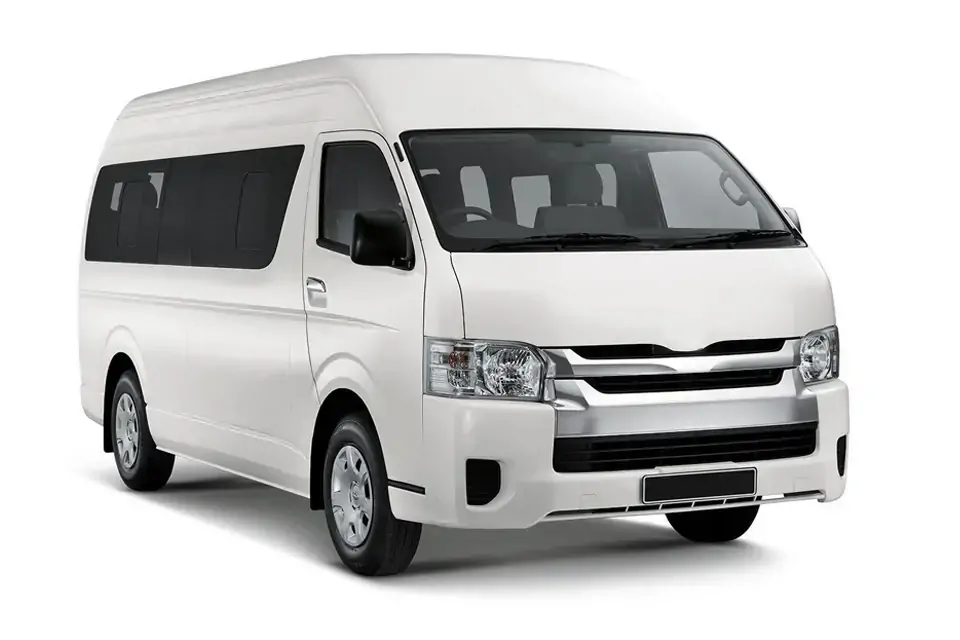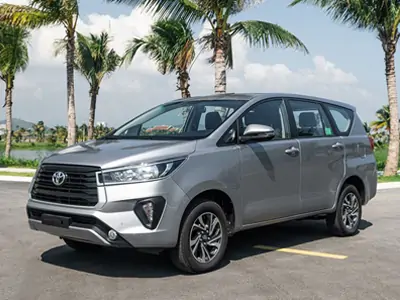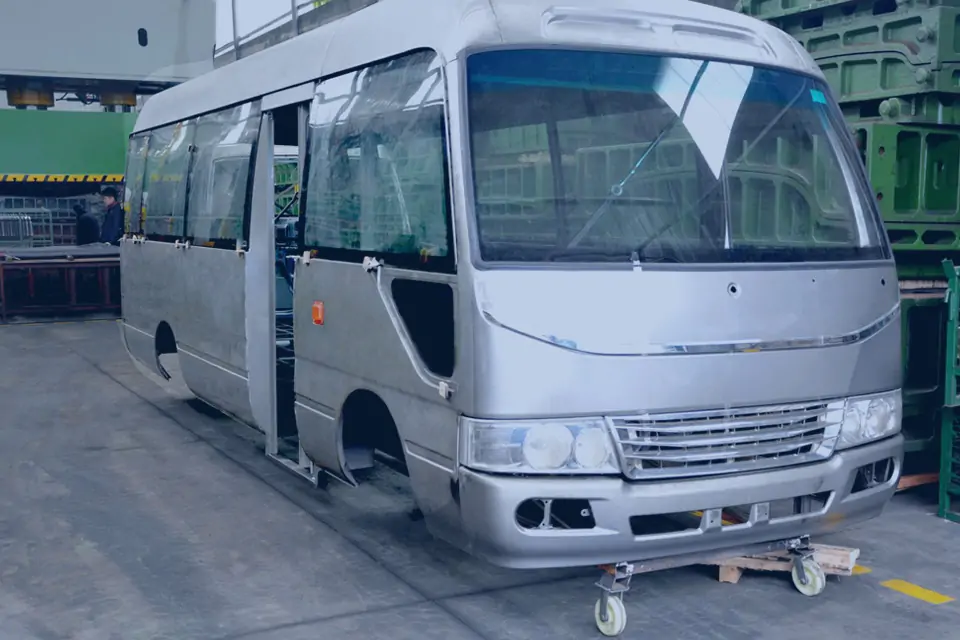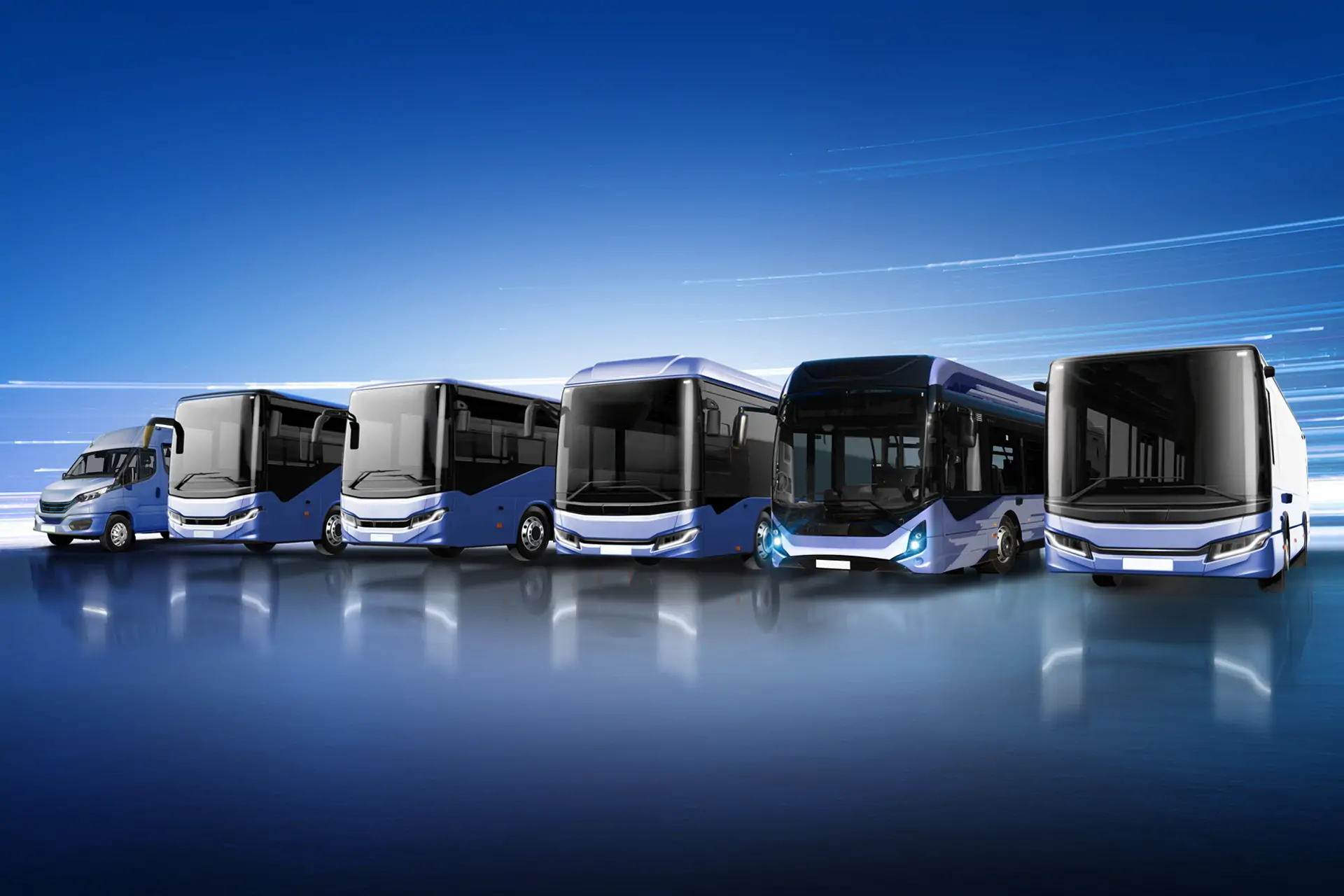
When it comes to versatile vehicles that can transport groups of people efficiently, the Toyota Coaster frequently comes into the conversation. This vehicle is renowned for its ability to handle a range of passenger transport needs, from urban commuting to rural tours. However, there is often confusion about whether the Coaster qualifies as a minibus. In this article, we will delve into the Toyota Coaster’s characteristics, seating capacity, and classification to determine if it truly fits the minibus category. By exploring these aspects, we aim to provide clarity for potential buyers and operators who may be considering this vehicle for their transportation needs.
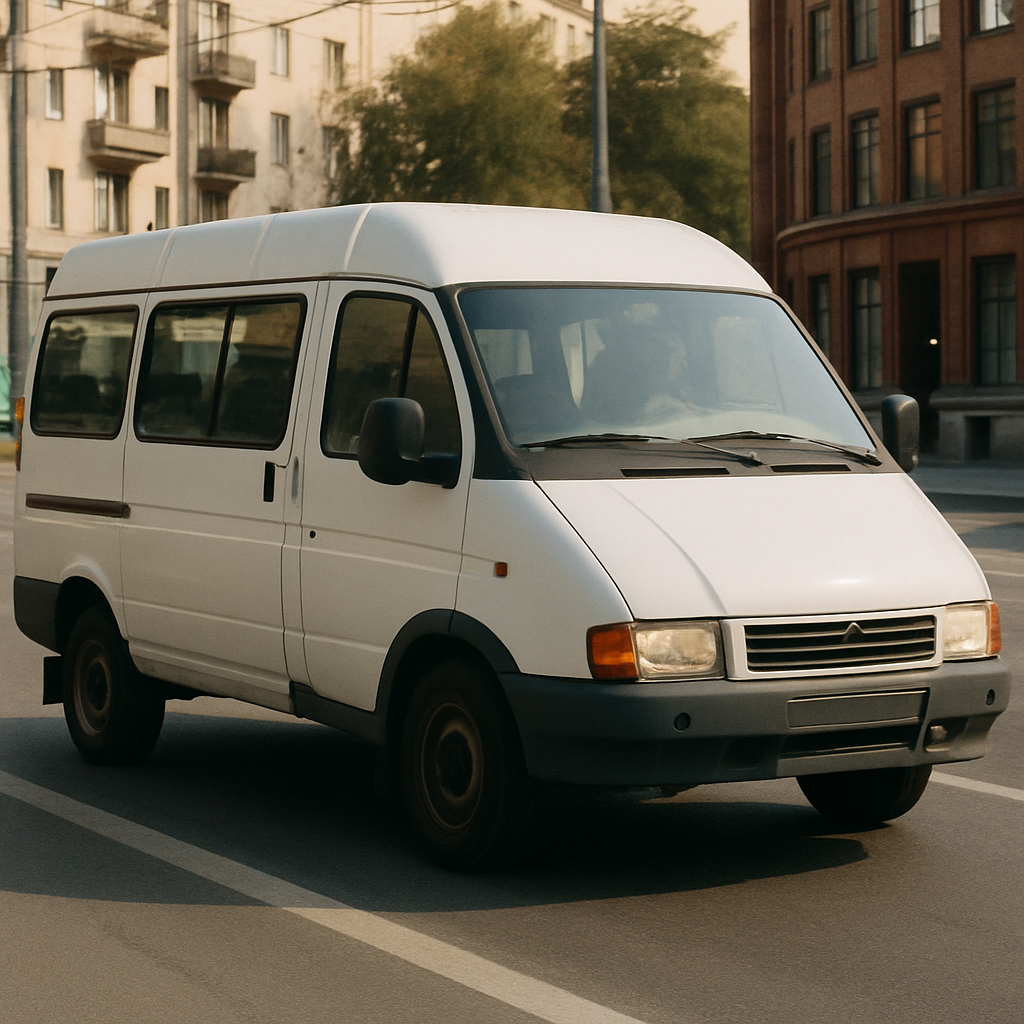
Before we dive into specifics about the Toyota Coaster, let’s clarify what a minibus is. A minibus is typically a smaller form of a bus, designed to carry more passengers than a traditional van but fewer than a full-size bus. These vehicles are tailored for efficiency in handling moderate passenger loads while maintaining maneuverability. They are often used for short-distance travel and are ideal for group transportation in urban and suburban areas, where their size offers a balance between capacity and navigation ease. Additionally, minibuses are favored for their ability to provide a cost-effective solution to transport needs, bridging the gap between large buses and smaller passenger vehicles.
Minibus Specifications
The general specifications for a minibus include:
- Seating capacity: Usually between 8 to 30 passengers. This range allows for flexibility in usage, accommodating small groups for private events or larger groups for commercial transport.
- Size: Larger than a passenger van but smaller than a full-sized bus. This intermediate size ensures that a minibus can access areas where larger buses might struggle, such as narrow city streets or crowded venues.
- Usage: Commonly used for shuttle services, tours, and as school transport. The versatility of minibuses makes them suitable for a wide range of services, including corporate shuttles, airport transfers, and charter services, thanks to their adaptability and efficiency.
Toyota Coaster Overview
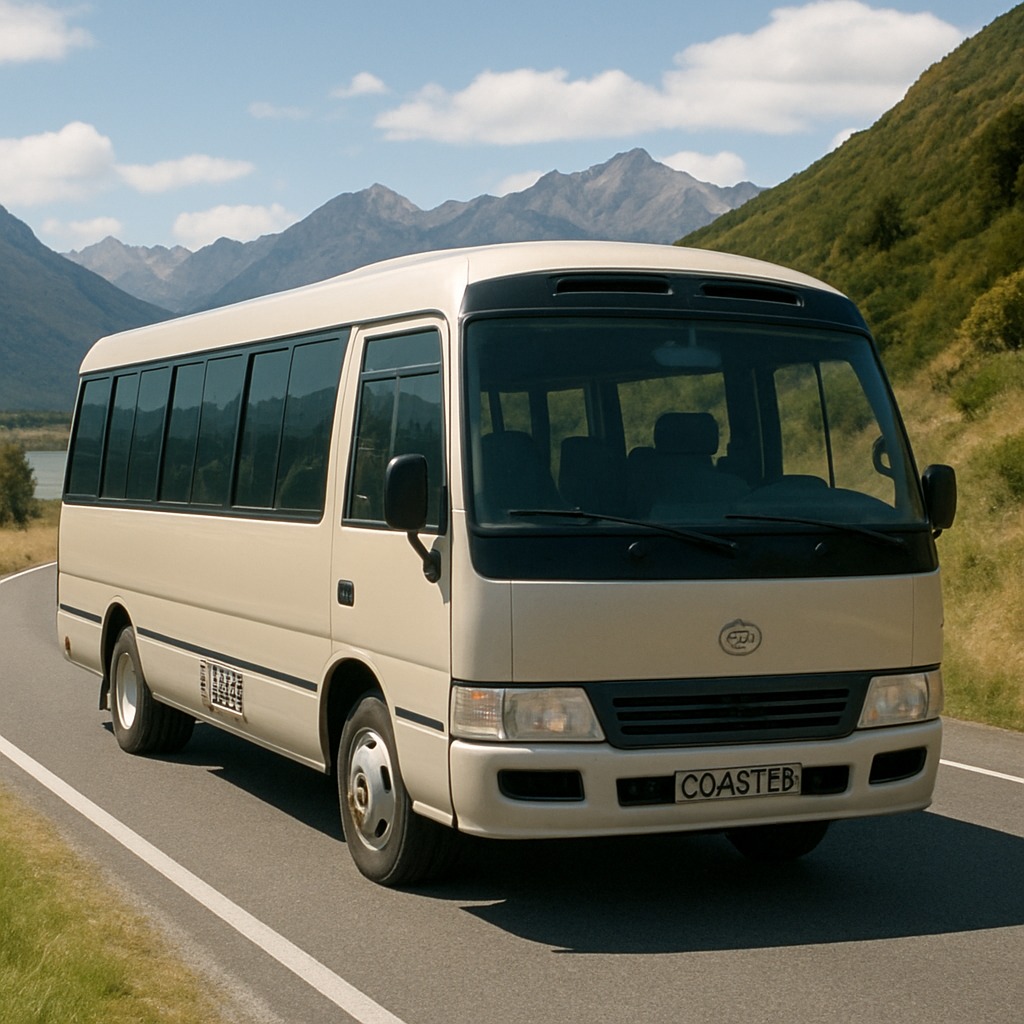
The Toyota Coaster is a well-known vehicle in the passenger transport sector. Manufactured by Toyota, this robust vehicle is designed to offer comfort and reliability for both drivers and passengers. The Coaster is celebrated for its sturdy build and ability to withstand extensive use, which makes it a favorite among transport operators worldwide. Its reputation for quality and performance has cemented its place in markets across the globe, serving as a testament to Toyota’s engineering excellence.
History and Evolution
Since its introduction in 1969, the Toyota Coaster has undergone numerous updates and improvements. Over the decades, it has evolved in design and functionality to meet changing market demands and technological advancements. It is widely appreciated for its durability, ease of maintenance, and cost-efficiency, making it a popular choice for various transport needs worldwide. Each generation has brought enhancements in safety, comfort, and efficiency, ensuring the Coaster remains competitive and relevant in modern transport scenarios.
Key Features
Some key features of the Toyota Coaster include:
- Engine Options: Available with both diesel and petrol engines. This variety allows operators to choose the engine type that best suits their operational requirements and environmental considerations.
- Transmission: Offers both manual and automatic transmission options. This flexibility caters to different driving preferences and regional market needs, enhancing the Coaster’s appeal to a broader audience.
- Safety: Equipped with essential safety features such as seat belts, anti-lock braking system (ABS), and airbags for the driver and front passenger. These features are crucial in ensuring passenger safety and meeting regulatory standards.
- Comfort: Designed with passenger comfort in mind, featuring air conditioning, reclining seats, and ample legroom. Such amenities make long journeys more pleasant, thereby improving passenger satisfaction and repeat business for operators.
Coaster Seating Capacity

One of the critical factors in determining whether the Coaster is a minibus is its seating capacity. The Toyota Coaster can comfortably seat between 22 to 30 passengers, depending on the configuration. This capacity aligns with the general definition of a minibus, as it fits within the typical range mentioned earlier. Furthermore, the Coaster’s seating design is optimized for both comfort and efficiency, ensuring that passengers enjoy a smooth ride regardless of the journey’s length.
Seating Configurations
The Coaster offers various seating arrangements to cater to different needs, such as:
- Standard Configuration: Typically seats around 22 passengers. This setup is ideal for regular shuttle services, offering a good balance of capacity and space.
- High-Capacity Configuration: Can accommodate up to 30 passengers, suitable for larger groups. This configuration is particularly useful for peak travel times or events where demand for transportation increases.
- Custom Configurations: Some owners choose to modify the interior to suit specific requirements, such as adding luxury features or reducing seating for additional luggage space. This adaptability allows the Coaster to serve niche markets, such as luxury tours or special event transportation, enhancing its overall utility.
Is the Coaster a Minibus?
Based on the seating capacity and overall size, the Toyota Coaster indeed falls within the minibus classification. Its ability to transport more passengers than a van and fewer than a full-sized bus makes it an ideal minibus candidate. The Coaster’s design and engineering focus on providing a seamless blend of functionality and comfort, which is characteristic of minibuses. This balance allows it to serve a wide range of applications, from daily commutes to specialized transport services.
Classification as a Minibus
- Passenger Capacity: With its ability to carry up to 30 passengers, the Coaster meets the minibus criteria. This capacity ensures it can handle a variety of transport scenarios, from school runs to corporate outings.
- Size and Dimensions: Its compact size compared to full-sized buses makes it suitable for navigating urban environments, a key characteristic of minibuses. This feature is particularly advantageous in cities with congested traffic and limited parking.
- Versatility: The Coaster’s adaptability for different transport needs further solidifies its classification as a minibus. Whether used for public transit, private hire, or specialized services, its design supports a wide range of applications, affirming its status as a versatile transport solution.
Toyota Coaster as a Passenger Bus
The Toyota Coaster is not only classified as a minibus but also serves as an excellent passenger bus. It is widely used for various transport services, including:
- Public Transport: In many countries, the Coaster is part of the public transit fleet, providing essential services in areas where larger buses may not be practical. Its size and efficiency make it a valuable asset in connecting communities, especially in regions with limited infrastructure.
- Tourism: Tour operators prefer the Coaster for its reliability and comfort, making it ideal for city tours and excursions. Its features and performance ensure that tourists enjoy a pleasant experience, contributing to the success of tour businesses.
- Corporate and School Transport: Companies and educational institutions often rely on the Coaster for employee and student transportation due to its safety features and capacity. Its reputation for reliability ensures that it can meet the demands of daily transport schedules without compromising safety or comfort.
Advantages of the Toyota Coaster
- Reliability: Known for its long-lasting performance and low maintenance costs. This reliability translates into lower operational expenses and reduced downtime for repairs, making it a cost-effective option for transport operators.
- Fuel Efficiency: Economical fuel consumption, especially in urban settings. The Coaster’s efficient fuel use helps operators manage running costs while minimizing environmental impact, a crucial consideration in today’s eco-conscious world.
- Customizability: Owners can customize the Coaster to meet specific needs, enhancing its utility. This feature allows the vehicle to be tailored to specific business models or client requirements, increasing its appeal across different market segments.
Conclusion
In conclusion, the Toyota Coaster is rightly classified as a minibus due to its seating capacity, size, and versatility. Its design and features make it a preferred choice for various passenger transport needs, from public transit to private tours. The Coaster’s adaptability and reliability make it a standout option in the minibus category, offering a comprehensive solution to diverse transportation challenges.
Whether you are considering the Coaster for business or personal use, it stands out as a reliable, efficient, and adaptable vehicle capable of meeting diverse transportation requirements. For those in need of a robust and capable minibus, the Toyota Coaster undoubtedly fits the bill. Its proven track record and ongoing popularity underscore its value as a transport solution that can adapt to the evolving needs of the modern world, ensuring it remains a top choice for operators and passengers alike.