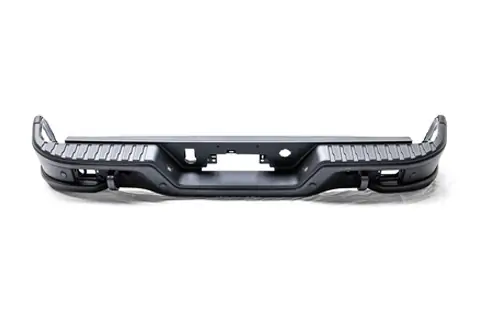
Car bumpers have evolved significantly over the years, adapting to technological advancements and changing safety standards. But are all car bumpers made of plastic? In this article, we’ll explore the various materials used in car bumpers, their benefits, and why plastic bumpers are so prevalent today.
The Evolution of Car Bumpers
Car bumpers have come a long way since their inception. Initially, bumpers were made of metal and served as protective bars attached to the front and rear of vehicles. Their primary purpose was to protect the vehicle’s body from damage during minor collisions.
Metal Bumpers
In the early days of automobiles, bumpers were primarily constructed from steel or aluminum. These metal bumpers were strong and durable, capable of withstanding significant impacts. However, they were also heavy, adding unnecessary weight to vehicles, which affected fuel efficiency.
Transition to Plastic Bumpers
As automotive technology progressed, the emphasis shifted toward improving fuel economy and enhancing safety features. This shift led to the introduction of plastic bumpers, which became widely popular in the 1970s and 1980s.
Why Are Plastic Bumpers So Popular?
Plastic bumpers offer several advantages over their metal counterparts, which explains their widespread adoption in modern vehicles.
Lightweight
One of the main reasons for the transition to plastic bumpers is their lightweight nature. Plastic is significantly lighter than metal, which helps improve the vehicle’s overall fuel efficiency. This weight reduction also contributes to better vehicle handling and performance.
Cost-Effective
Plastic bumpers are less expensive to manufacture compared to metal bumpers. This cost-effectiveness makes them an attractive option for car manufacturers, who can pass on the savings to consumers.
Flexibility and Design
Plastic bumpers offer greater flexibility in design, allowing for more aerodynamic shapes that improve vehicle performance. They can be easily molded into various shapes and sizes, catering to the aesthetic and functional needs of modern cars.
Safety Benefits
Plastic bumpers are designed to absorb impact energy during a collision, reducing the force transferred to the vehicle’s occupants. This energy absorption helps minimize injuries and damage to the vehicle structure.
Types of Bumper Materials
While plastic is the predominant material for modern bumpers, it’s not the only option. Let’s explore the different types of materials used in car bumpers today.
Plastic Bumpers
Plastic bumpers are made from a variety of polymers, including polypropylene, polycarbonate, and ABS (acrylonitrile butadiene styrene). These materials offer excellent impact resistance and are easy to manufacture.
Composite Bumpers

Some car manufacturers use composite materials, which combine plastic with other materials like carbon fiber or fiberglass. These composite bumpers offer enhanced strength and durability while maintaining a lightweight profile.
Metal Bumpers
Although less common today, metal bumpers are still used in some vehicles, particularly in heavy-duty trucks and off-road vehicles. These bumpers provide superior strength and durability, making them ideal for rugged environments.
Repairing Plastic Bumpers
Plastic bumpers are more susceptible to damage from minor collisions, scratches, and dents. However, they are also easier to repair compared to metal bumpers.
Plastic Bumper Repair Techniques
- Heat Repair: Minor dents and scratches on plastic bumpers can often be repaired using heat. A heat gun or hot air blower is used to soften the plastic, allowing it to be reshaped and restored to its original form.
- Plastic Welding: For more severe damage, plastic welding can be used to repair cracks and breaks. This technique involves melting plastic rods to fuse damaged areas.
- Filler and Paint: Scratches and surface imperfections can be filled with a special plastic filler and then painted to match the vehicle’s original color.
Cost of Repairing Plastic Bumpers
The cost of repairing a plastic bumper depends on the extent of the damage and the repair technique used. Generally, plastic bumper repairs are more affordable compared to metal bumper repairs, making them a practical choice for many vehicle owners.
The Future of Car Bumpers
As the automotive industry continues to innovate, we can expect further advancements in bumper materials and design. Some possible future developments include:
Advanced Composite Materials
Research into advanced composite materials, such as carbon nanotubes and graphene, may lead to even stronger and lighter bumpers. These materials could offer superior impact resistance while maintaining a sleek and lightweight profile.
Smart Bumpers
The integration of technology into vehicle bumpers is another exciting prospect. Smart bumpers equipped with sensors and cameras could enhance safety features by providing real-time data on vehicle surroundings, assisting drivers in avoiding collisions.
Sustainable Materials
With a growing focus on sustainability, car manufacturers are exploring eco-friendly materials for bumper construction. Biodegradable plastics and recycled materials could become more prevalent in the future, reducing the environmental impact of vehicle production.
Conclusion
While plastic bumpers are the most common type of bumper in modern vehicles, they are not the only option. Metal and composite bumpers are still used in certain applications, each offering unique benefits. Plastic bumpers, however, remain popular due to their lightweight, cost-effective, and safety-enhancing properties. As technology and materials continue to evolve, we can expect even more innovative solutions for vehicle bumper construction in the years to come.