
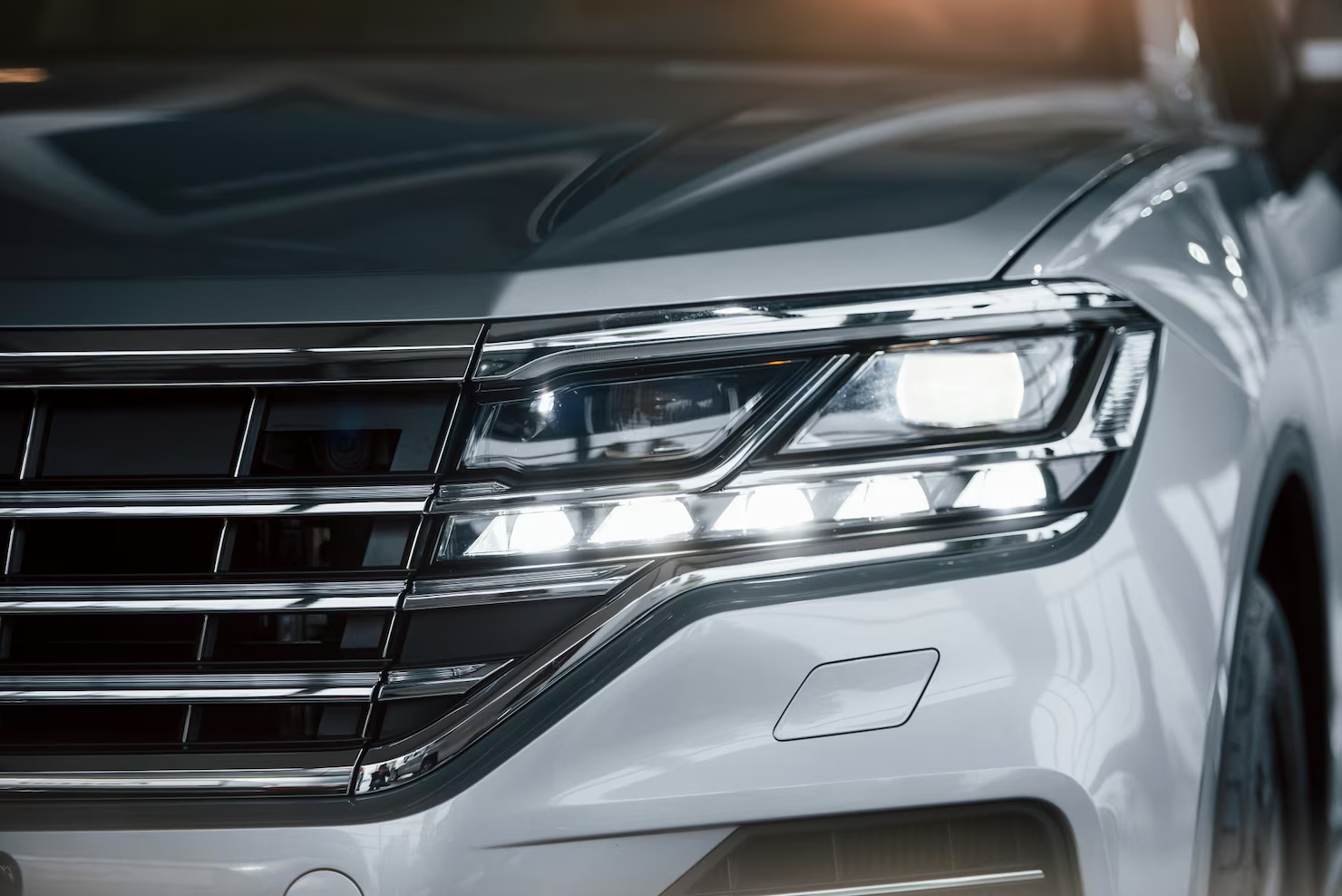
Imagine cruising down a dimly lit road with the moon casting a faint glow over your car. You’re only as safe as your visibility allows, yet it’s astonishing how little attention we often pay to a crucial aspect of driving: our car lamps. These unsung heroes work tirelessly to cut through darkness, fog, and rain, ensuring not just our safety, but that of everyone around us. Understanding the profound role that car lamps play isn’t just about maintenance; it’s about enhancing your entire driving experience.
In a world where technology is rapidly advancing, the choices for car lamps have expanded far beyond the traditional. From halogens to LEDs, each option brings its own set of benefits and challenges. Yet, how many of us make informed decisions about these glowing tools that guide us safely home? In this blog post, we shed light on must-know insights into car lamps, helping you illuminate your ride with clarity, confidence, and care. Prepare to see the road—and your car—in a new light.
The Importance of Car Lamps in Road Safety
When it comes to road safety, visibility is paramount—and that’s where car lamps become critical. Properly functioning headlights, taillights, brake lights, and indicators are the first line of defense against accidents after sundown or in low-visibility conditions. Studies show that drivers with upgraded or well-maintained headlights can react faster to hazards, reducing collision risk by up to 30%. By ensuring your car lamps are aimed correctly and shining brightly, you help yourself and others make split-second decisions that save lives.
Beyond basic illumination, car lamps communicate intentions to other road users. Brake lights signal deceleration, turn signals convey planned maneuvers, and daytime running lights establish your vehicle’s presence even on overcast afternoons. A single burnt-out bulb or misaligned beam can lead to misinterpretation of your actions or simply render you invisible to oncoming traffic. Regular inspection, prompt bulb replacement, and proper alignment should be part of every driver’s maintenance routine. In essence, car lamps aren’t just accessories—they’re indispensable safety features that protect you, your passengers, and everyone sharing the road.
Types of Car Lamps: Halogens vs. LEDs
The two most common headlight sources available today are halogen bulbs and LEDs. Halogen lamps have been the industry standard for decades, known for their affordability and ease of replacement. They operate by heating a tungsten filament within a halogen gas capsule, producing a yellowish light that is warm and diffused. Although halogens are inexpensive, they tend to consume more power and generate significant heat, resulting in shorter lifespans—typically around 500 to 1,000 hours of use.
LED (Light Emitting Diode) technology, on the other hand, has revolutionized automotive lighting by offering brighter, whiter light with greater efficiency. LEDs convert electrical energy directly into light without needing a filament, which means they run cooler and last much longer—often exceeding 15,000 hours. While the upfront cost of LED car lamps is higher, their low energy draw reduces strain on your alternator and battery, and their longevity means fewer replacements. The crisp light they emit also enhances contrast on the road, helping you spot obstacles and road signs earlier than with halogens.
Factors to Consider When Choosing Car Lamps
Selecting the right car lamps requires balancing performance, compatibility, and budget. First, check your vehicle’s owner manual for recommended bulb types and wattage specifications. Installing an overpowered lamp can overload wiring harnesses and exceed legal light intensity limits. Second, consider beam pattern and focus. A precise cutoff ensures the light projects onto the roadway, not into oncoming drivers’ eyes, minimizing glare-related hazards.
Color temperature is another key factor: measured in Kelvin (K), it defines whether your beam appears warm yellow (around 3,000K) or cool white/blue (up to 6,000K). While higher Kelvin ratings often look modern and crisp, excessively bluish light can scatter more in fog or precipitation. Lastly, factor in budget and installation ease. If you prefer a plug-and-play solution, halogens remain wallet-friendly and require minimal alteration. For a longer-term investment and enhanced output, LED conversions kits are a solid choice—just ensure proper heatsinking and CAN-bus compatibility to avoid error codes or flicker.
Enhancing Visibility in Challenging Conditions
Driving through rain, fog, snow, or dust poses extra demands on your car lamps. Moisture particles and airborne debris scatter light, reducing forward visibility and creating glare. To cut through these conditions, consider investing in specialized fog lamps designed with wider, low-mounted beams that hug the road surface. These lamps minimize reflection from suspended water droplets and illuminate the periphery, helping you see lane markers and road edges.
Adaptive lighting systems take visibility enhancement to the next level. By using sensors and motors, these car lamps pivot in the direction of your steering input, casting light into curves before you arrive. This dynamic illumination significantly improves reaction time around bends and on winding roads. If adaptive systems aren’t available for your model, auxiliary driving lights—mounted centrally on your bumper or grille—can supplement your main headlights. Always ensure any additional lights comply with local regulations and are aimed correctly to avoid blinding other drivers.
Upgrading Your Car Lamps: Benefits and Considerations
Upgrading from standard halogen bulbs to premium halogen, HID, or LED options can transform your nightly driving experience. Enhanced brightness and color clarity reduce eye strain, letting you drive longer without fatigue. Lower power consumption of LED or HID kits can also free up electrical capacity for other accessories. Additionally, modern bulb designs often incorporate better heat dissipation, preventing premature failure and reducing the chances of filament burnout or electronic driver malfunction.
However, upgrades come with considerations. Always verify that your chosen kit is road-legal in your area and compatible with your vehicle’s electrical system. Improper installations can lead to flickering, diagnostic warnings, or even melted connectors. Professional installation is recommended if you’re unfamiliar with automotive wiring, heatsink placement, or aiming procedures. Finally, weigh the upfront cost against long-term value: while LEDs cost more initially, their longevity and efficiency often justify the investment over repeated halogen replacements.
Conclusion: Shining a Light on Safe and Stylish Driving
Whether you stick with trusted halogens or venture into high-tech LEDs, prioritizing your car lamps is a simple yet impactful step toward safer driving. Properly selected and maintained lighting systems not only enhance visibility but also communicate with fellow motorists, reducing accidents and improving confidence behind the wheel.
Next time you head out after dusk or face a stormy commute, take a moment to inspect and consider upgrading your car lamps. A small adjustment in brightness or beam pattern can make all the difference—illuminating your path and ensuring you arrive at your destination with clarity and peace of mind.

 English
 Русский
 Español
 Français
 Deutsch