As you drive down the highway, an unsettling noise begins to fill the cabin—a droning hum that seems to get louder with every mile. It’s a sound that many drivers might dismiss, attributing it to bumpy roads or old tires. However, beneath this seemingly innocuous noise could lie a more insidious problem: a failing wheel hub bearing. This vital component of your vehicle’s suspension system can lead to dangerous driving conditions if left unattended. While it doesn’t always announce its presence with dramatic flair, understanding the subtle symptoms of a bad wheel hub bearing can be crucial for both your safety and your wallet.
Imagine you’re on a long road trip, excitedly anticipating your destination, when suddenly your car starts to vibrate unusually or begins pulling to one side. These are more than just minor inconveniences; they could be critical warning signs. The deterioration of a wheel hub bearing is like a silent saboteur, gradually compromising the performance and safety of your vehicle. Addressing these issues early not only prevents costly repairs but also ensures that your journey remains smooth and incident-free. In this post, we’ll delve into these silent alarms and help you uncover the hidden dangers lurking in a malfunctioning wheel hub bearing.
Common Causes of Wheel Hub Bearing Failure
Wheel hub bearings are designed to last tens of thousands of miles, but several factors can accelerate their wear. One primary culprit is contamination. Dirt, water, and road salt can seep through damaged seals, causing the bearing’s internal rollers and raceways to corrode and pit. As surfaces become rough, friction increases dramatically, leading to premature failure. Additionally, aggressive driving—such as hard cornering or frequent hauling of heavy loads—places extra stress on the bearing assembly, wearing down its components faster than under normal conditions.
Improper installation is another frequent cause of failure. Using incorrect torque settings when tightening the hub nut or failing to fully press the bearing into its housing can create uneven load distribution. Over time, this results in uneven roller contact and localized overheating. Accidents or pothole impacts can also bend or crack the bearing housing, misaligning the assembly and accelerating wear. Finally, age and general mileage accumulation naturally degrade lubricants inside the bearing, diminishing performance. By understanding these common causes, you can better anticipate when to inspect and service your bearings before complete failure occurs.
Recognizing Early Warning Signs
The sooner you identify the symptoms of a bad wheel hub bearing, the quicker you can address potential safety hazards. One of the most noticeable signs is a low-frequency roar or humming noise that changes with vehicle speed. At first, it may be subtle, almost imperceptible over road noise, but as the bearing deteriorates, the sound intensifies and may become directional—growing louder when you turn toward the affected side.
Alongside unusual sounds, you may feel a slight vibration through the steering wheel or floorboard. This vibration often worsens at higher speeds or during turns. You might also notice uneven tire wear, as a failing bearing can cause subtle misalignment in the wheel assembly. If left unchecked, these early warning signs will compound, leading to more dramatic issues and potential loss of control.
Impact on Driving Safety
A compromised wheel hub bearing directly undermines the stability and handling of your vehicle. As the bearing rollers and raceways degrade, they create play in the wheel hub, leading to unpredictable steering responses. When making sudden maneuvers—such as emergency lane changes or obstacle avoidance—the weakened bearing may not support the wheel properly, increasing the risk of a skid or loss of control. In extreme cases, a completely seized bearing can cause the wheel to lock up or detach, resulting in catastrophic accidents.
Beyond steering issues, a failing bearing generates excess heat and friction, which can damage nearby brake components. Overheated brake discs or pads lose effectiveness, extending stopping distances. Additionally, the increased resistance can reduce fuel efficiency, as the engine works harder to rotate the warped hub. For these reasons, recognizing and addressing deterioration early is essential not only for preserving vehicle performance but also for safeguarding every occupant on board.
Diagnosing Wheel Hub Bearing Issues
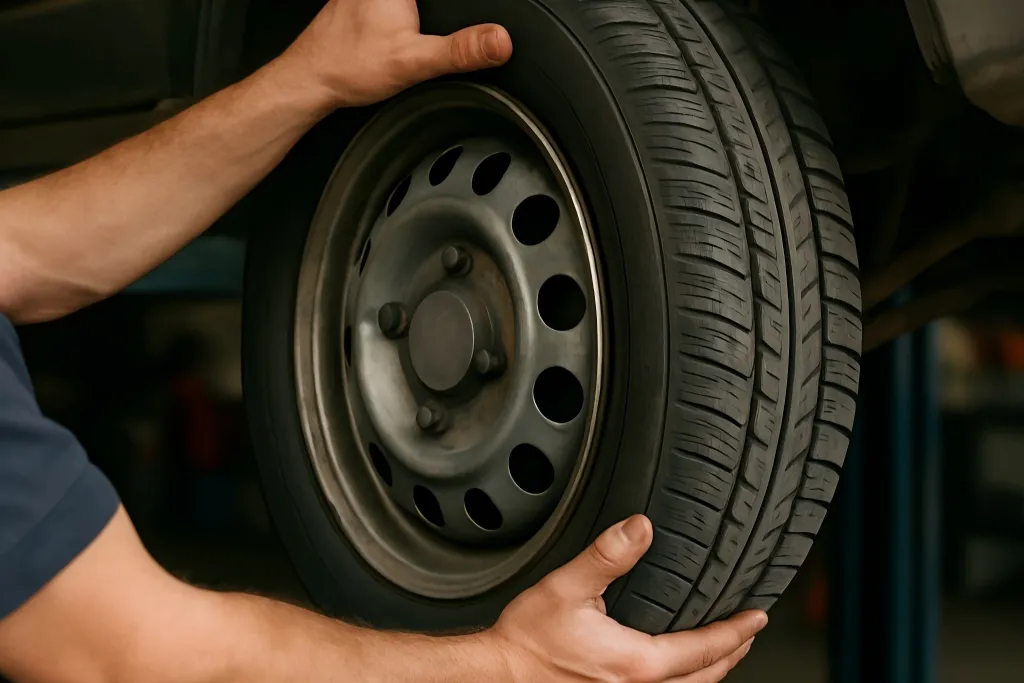
Accurate diagnosis of a bad bearing requires a systematic approach. Begin with a visual inspection: look for grease leakage around the hub or seal damage. Lift the vehicle safely and secure it on jack stands, then grasp the tire at its 12 and 6 o’clock positions. Rock it back and forth; any noticeable play often points to bearing wear. Rotating the wheel by hand can also reveal roughness or grinding, indicating damaged rollers or raceways.
If you have access to a mechanic’s stethoscope, place its probe near the hub while spinning the wheel. A steady grinding or humming noise confirms internal bearing distress. A road test with a helper listening at each wheel can further pinpoint the problematic side. In modern vehicles equipped with ABS sensors integrated into the hub, a failing bearing may trigger error codes—another useful diagnostic clue.
Repair Options for a Faulty Wheel Hub Bearing
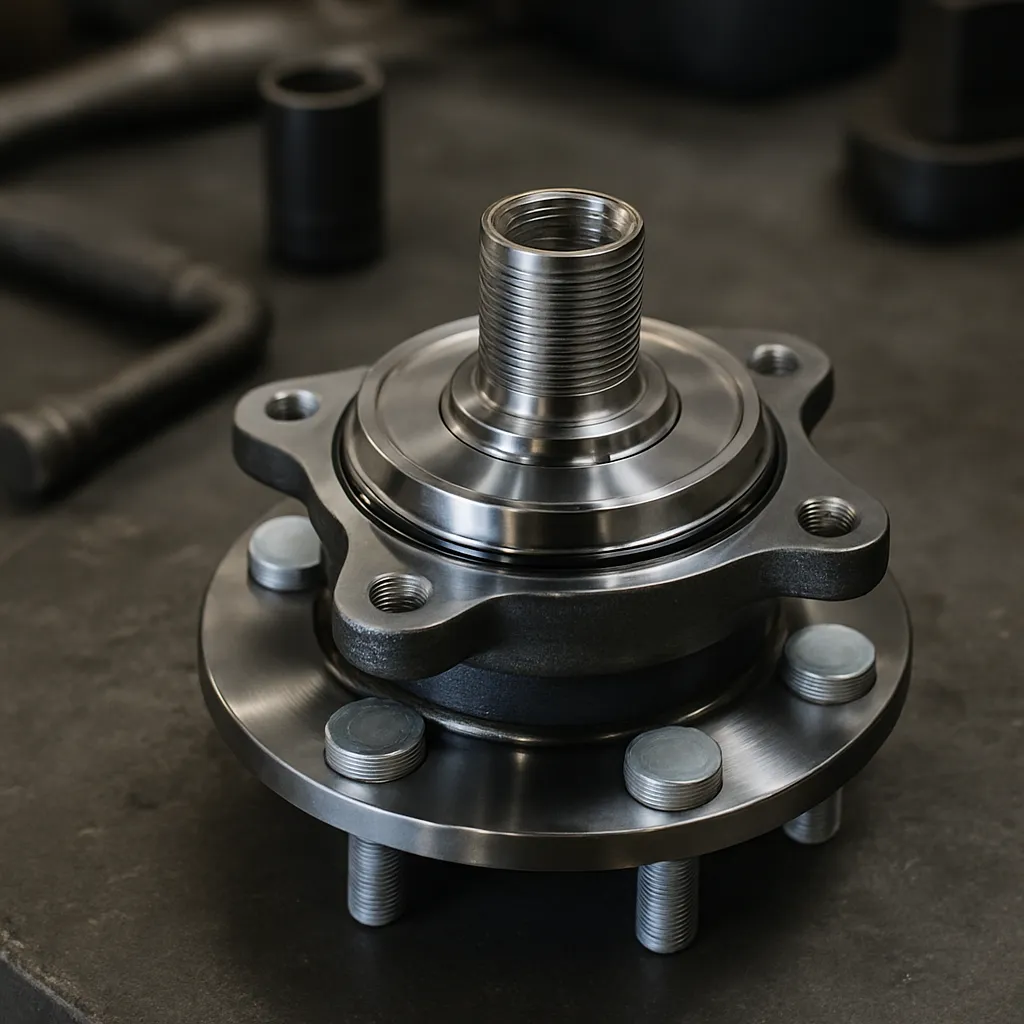
Once you’ve diagnosed a bad wheel hub bearing, you have two main repair choices: replacement of the bearing alone or replacement of the entire hub assembly. Many manufacturers offer hub units with pre-installed bearings, seals, and ABS sensors. While these can be costlier upfront, they eliminate the risk of contamination during installation and ensure precise factory tolerances. Swapping the complete assembly typically takes less labor time, reducing shop costs.
For vehicles where bearings are separate from the hub, you can press out the old bearing and install a new one. This method is more affordable in parts, but it demands specialized tools—such as a hydraulic press and bearing driver kit—and meticulous attention to torque specifications. During either repair, it’s crucial to clean the hub bore thoroughly, inspect the spindle and seals, and repack surrounding grease if applicable. Always follow the manufacturer’s service manual to maintain safe wheel alignment and bearing preload.
Prevention and Maintenance Tips
Proactive maintenance is your best defense against unexpected bearing failure. Regularly schedule brake service and wheel inspections, paying attention to seal condition and grease leakage. Cleaning the wheel hub area of dirt and debris during tire rotations can prevent contaminants from reaching the bearing. If you frequently drive on gravel roads or in harsh weather, consider more frequent inspections—every 15,000 miles is a good benchmark.
Ensure your wheel nuts or lug bolts are torqued to the manufacturer’s specifications. Under- or over-torquing can stress the bearing and affect load distribution. If you tow heavy loads or drive in demanding conditions, choose high-quality bearings rated for heavier duty. Lastly, replace seals at the first sign of cracking or deformation, as a compromised seal is the easiest path for dirt and moisture to invade the bearing assembly. These simple practices will extend bearing life and help you avoid sudden roadside breakdowns.
Conclusion: Ensuring Safe and Smooth Travels
Recognizing the subtle symptoms of a bad wheel hub bearing and understanding the root causes of failure are vital steps in maintaining vehicle safety and performance. By conducting routine inspections, diagnosing issues early, and choosing the right repair strategy, you can prevent more severe damage and costly repairs down the road.
Stay vigilant for unusual noises, vibrations, and steering changes. With proper maintenance and timely replacement, you’ll keep your wheels turning smoothly—no matter how far the journey takes you. Safe travels!