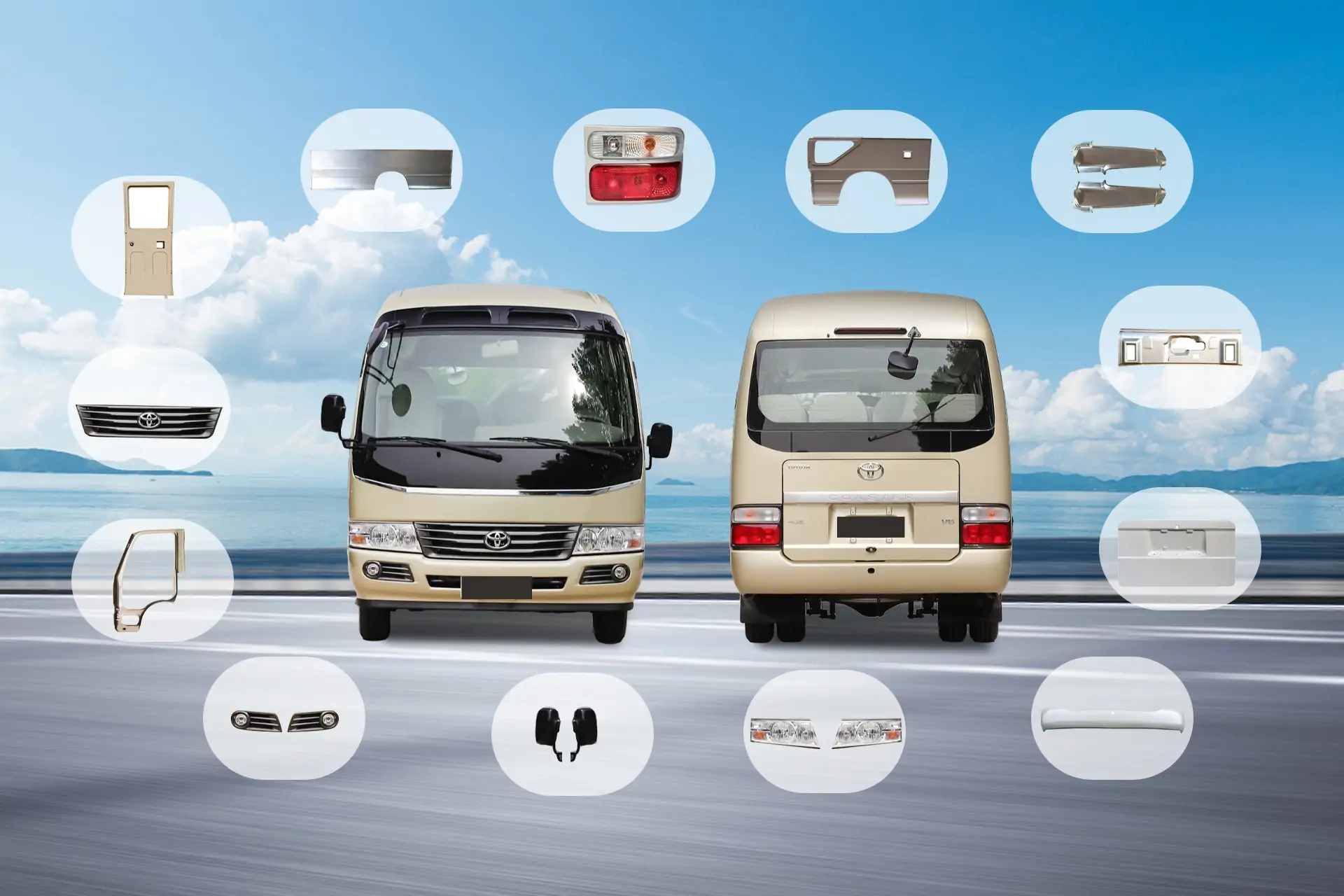
Imagine a world where every bus on the road operates with optimal efficiency, ensuring passengers arrive at their destinations swiftly and safely. Unfortunately, this isn’t always the case, as many buses struggle to maintain peak performance due to outdated or inadequate components. This can lead to frustrating delays and potential safety hazards that affect both operators and passengers alike. But fear not, because understanding the essential bus parts and accessories can make all the difference in achieving that flawless ride every time.
In today’s fast-paced world, where reliable public transportation plays a crucial role in everyday life, it’s imperative to focus on the elements that can enhance a bus’s performance. From advanced braking systems that ensure swift stops to eco-friendly engines that reduce emissions, each component serves a vital purpose. Join us as we delve into the world of bus parts and accessories, exploring how the right investments not only elevate efficiency but also contribute to a greener and more reliable transit future.

The Importance of Upgraded Braking System Parts
When it comes to bus parts and accessories, few components are as critical as the braking system. Upgraded braking systems, including high-performance disc brakes, ABS modules, and heavy-duty brake pads, dramatically reduce stopping distances and enhance driver confidence. In high-traffic urban environments or on steep rural routes, the ability to stop safely and quickly can mean the difference between a routine journey and a potentially disastrous accident. Modern braking systems also incorporate wear sensors and electronic control units (ECUs) that monitor brake health in real time, alerting maintenance teams before minor issues become major failures.
Beyond safety, upgraded braking systems contribute to lower long-term maintenance costs. Premium brake pads formulated with advanced friction materials resist glazing and uneven wear, meaning replacements are needed less often. Stainless steel braided brake lines maintain consistent hydraulic pressure and eliminate the spongy pedal feel common in worn-out systems. Many transit agencies also opt for regenerative braking technologies on electric or hybrid buses, recovering kinetic energy during deceleration and feeding it back into the vehicle’s battery system. This not only improves fuel efficiency but also reduces brake component wear, further extending the lifespan of critical bus parts and accessories.
Ensuring Passenger Safety with Quality Tires
Tires are a bus’s only contact with the road, making their quality paramount for both safety and performance. Investing in premium, heavy-duty tires designed for buses can greatly reduce the risk of blowouts, hydroplaning, and uneven tread wear. High-quality radial tires with reinforced sidewalls withstand the constant weight and torque demands of passenger service, ensuring stable handling under full load. Advanced tread patterns optimize water evacuation, enhancing grip on wet surfaces and reducing stopping distances in adverse weather.
Beyond the rubber compound itself, modern tire-mounted accessories—such as tire pressure monitoring systems (TPMS)—offer real-time data on inflation levels, temperature, and tread wear. Proper tire inflation not only improves ride comfort for passengers but also maximizes fuel efficiency by reducing rolling resistance. Some fleet operators deploy nitrogen inflation, which stabilizes tire pressure over longer intervals, minimizing the frequency of manual checks. By pairing quality tires with digital monitoring tools, transit agencies can proactively address potential tire failures, reduce unscheduled downtime, and maintain higher levels of passenger safety and satisfaction.
Efficient Cooling Systems for Engine Longevity
The heart of any bus is its engine, and efficient cooling systems are essential to prevent overheating and premature component failure. Premium radiators, high-flow water pumps, and performance thermostats ensure that the engine operates within its ideal temperature range, even under heavy loads and in extreme climates. A well-maintained cooling system not only preserves engine power and efficiency but also helps avoid costly repairs to head gaskets, pistons, and other internal parts.
Upgraded electric cooling fans and reinforced hoses add further reliability, allowing for quicker heat dissipation during idling or stop‐and‐go traffic. Many modern buses incorporate dual‐pass or triple‐pass radiator designs that maximize coolant flow and heat exchange, while corrosion-resistant materials like aluminum alloys extend the lifespan of core bus parts and accessories. Routine use of high-quality coolant and corrosion inhibitors prevents scale buildup and protects the entire cooling circuit. By investing in superior cooling system components, operators can ensure consistent performance, reduced maintenance intervals, and enhanced engine longevity over the life of the vehicle.
Maximizing Fuel Efficiency with Advanced Fuel Injection Systems
Fuel injection systems have evolved significantly from their mechanical predecessors, offering precise control over fuel delivery and combustion. Modern electronic fuel injection (EFI) systems use high-pressure injectors, sophisticated ECUs, and real-time sensor feedback to optimize fuel-air mixtures across all operating conditions. This precision not only improves power output but also reduces unburned hydrocarbons, lowering emissions and cutting fuel costs. For fleet managers seeking to get the most out of every gallon, upgrading to the latest fuel injection technology can yield double-digit percentage gains in efficiency.
In addition to the injectors themselves, auxiliary bus parts and accessories—such as high-flow fuel filters, inline pressure regulators, and upgraded fuel pumps—play a vital role in maintaining system integrity. Clean fuel and consistent pressure ensure that injectors spray a fine mist rather than dribble, promoting more complete combustion. Some advanced systems even incorporate direct injection techniques, delivering fuel straight into the combustion chamber and achieving even greater thermal efficiency. The result is smoother acceleration, improved throttle response, and extended service intervals, all of which contribute to lower operational costs and a healthier bottom line for transit operators.
Conclusion: Investing in the Future of Bus Performance
Upgrading key bus parts and accessories—from braking systems and tires to cooling and fuel injection—yields immediate safety, reliability, and efficiency benefits. These enhancements not only improve day-to-day operations but also lead to substantial savings over the vehicle’s lifecycle.
As transit agencies strive for greener, more cost-effective fleets, targeted investments in quality components will be the driving force behind a safer, more sustainable public transportation network.


 English
 Русский
 Español
 Français
 Deutsch