
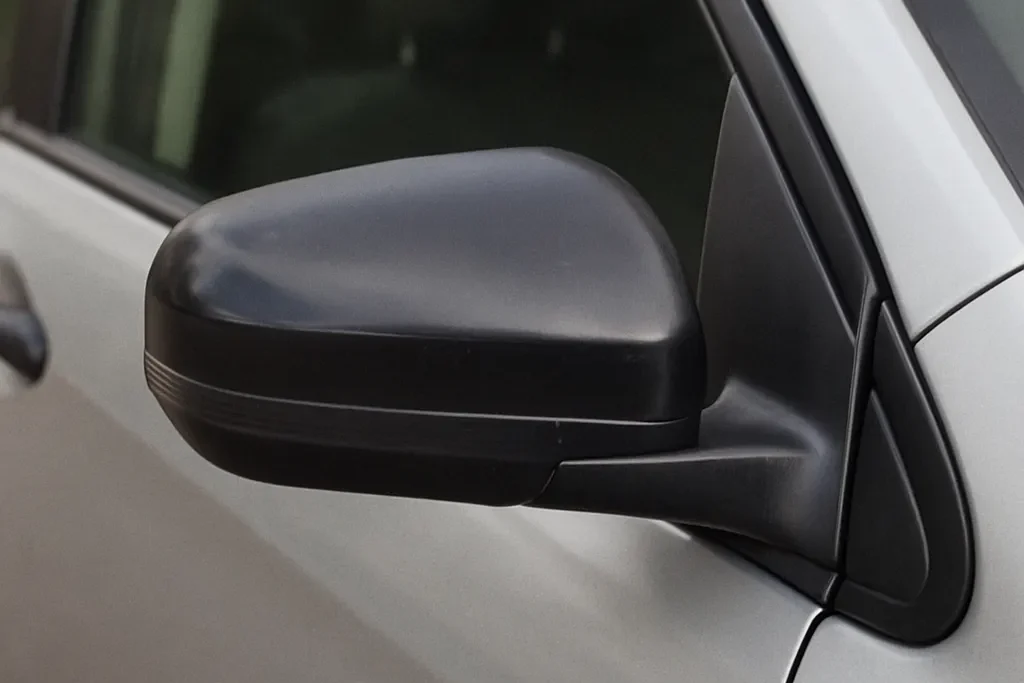
Picture this: you’re going about your day, heading to work or picking up the kids, when suddenly you notice that your car door mirror is hanging by a thread or, worse, completely gone. It’s a frustrating scenario that can throw a wrench into your daily routine. Not only does a damaged or missing mirror affect your vehicle’s aesthetic appeal, but it also poses a serious safety risk by limiting your visibility on the road. Fortunately, navigating the world of car door mirror replacement doesn’t have to be as daunting as it seems.
In this ultimate guide, we’ll break down the process of car door mirror replacement into manageable steps that even the most novice DIY enthusiast can follow. Whether you’re dealing with a simple crack or a complete detachment, understanding the nuances of replacing a car door mirror can save you time, money, and hassle. Forget the jargon-filled manuals and cryptic instructions; this guide is all about simplifying the task at hand, so you can get back on the road with confidence and clarity. Let’s dive in and demystify the art of restoring your car’s side-view mirrors.
Understanding the Importance of Prompt Mirror Replacement
When it comes to driving safely, clear visibility of your surroundings is non-negotiable. A properly functioning side-view mirror is essential for monitoring blind spots, gauging distances when changing lanes, and ensuring you have full awareness of pedestrians and other vehicles. Delaying car door mirror replacement is not just a cosmetic concern; it significantly increases the risk of accidents by limiting your field of vision. A cracked or loose mirror doubles as a potential hazard if it detaches while driving, creating road debris that can endanger others.
Moreover, a damaged mirror can impact your insurance policy and vehicle inspection results. In many jurisdictions, driving with a broken side mirror constitutes a traffic violation, potentially leading to fines or even impoundment in severe cases. Regular maintenance and timely replacement demonstrate responsible vehicle ownership, helping you avoid penalties and ensuring compliance with safety regulations. By understanding why prompt car door mirror replacement matters, you’ll appreciate the value of addressing the issue immediately rather than postponing repairs.
Assessing the Damage: Types of Mirror Issues
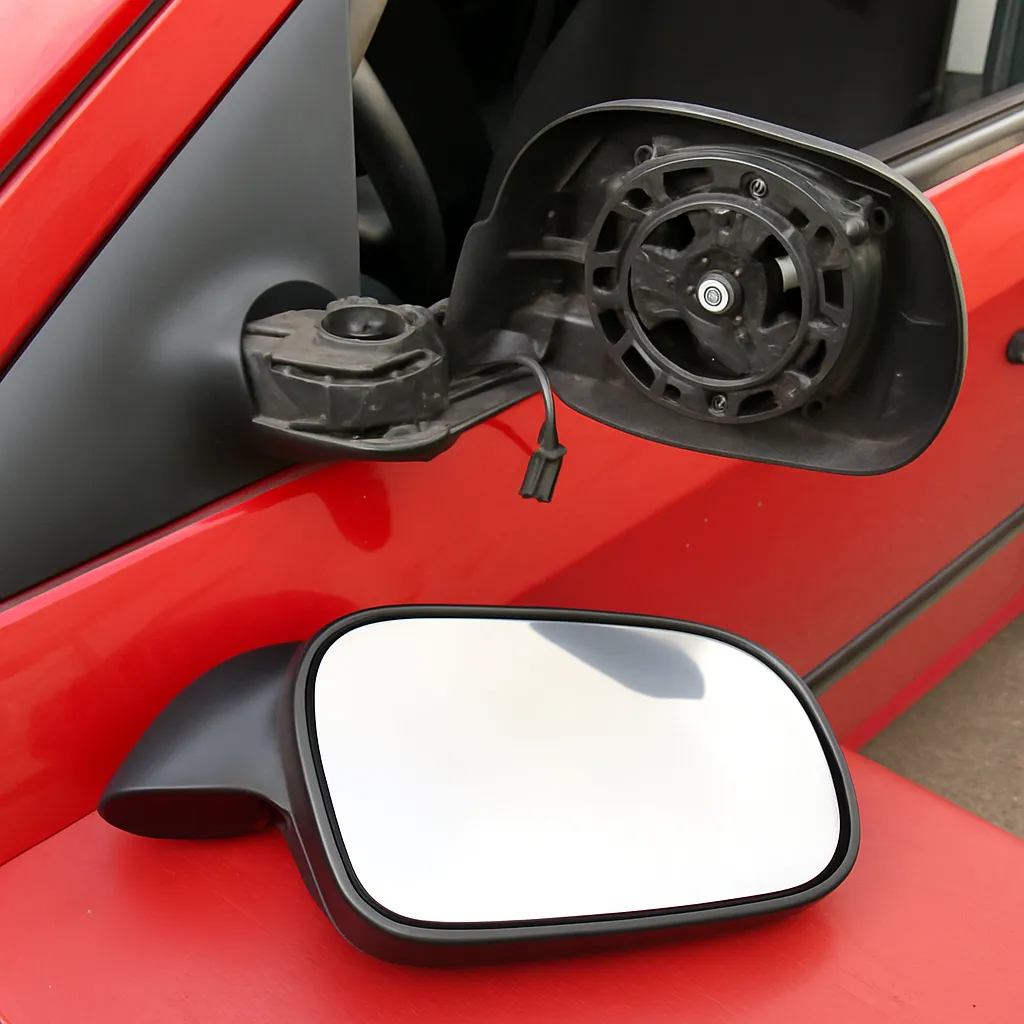
Before you purchase a replacement mirror or schedule a repair, it’s crucial to identify the specific type of damage your car door mirror has suffered. Damage can range from minor surface cracks to complete detachment of the mirror housing. Surface-level scratches or chips can impair clarity during nighttime driving, while a loose or wobbling mirror often indicates internal bracket or motor damage. In some cases, the entire mirror assembly may break off, exposing wiring and mounting points.
Accurately assessing the damage helps you choose the right replacement part and estimate the labor involved. If only the glass is broken, you might save money by replacing just the mirror insert. However, if the housing, motor, or electronic adjustment mechanism is compromised, a full assembly swap is usually the most practical solution. Knowing the exact nature of the issue ensures you order the correct part and gather the appropriate tools for a smooth car door mirror replacement process.
Exploring Different Types of Replacement Mirrors
The market offers a variety of replacement mirror options to suit different needs and budgets. OEM (Original Equipment Manufacturer) mirrors match the exact specifications of your vehicle’s original side-view mirror, ensuring perfect fit, color match, and functionality. Aftermarket mirrors, on the other hand, can be more affordable and come in a wider range of styles and features, such as heating elements, turn-signal integration, and automatic dimming. These options let you customize your car door mirror replacement according to personal preferences.
When selecting a mirror, consider factors such as compatibility with power adjustment motors, integrated indicators, and heating coils. Some aftermarket brands offer universal mirrors that require additional adapters or brackets, while others are vehicle-specific. Balancing cost, quality, and convenience is key: OEM mirrors provide peace of mind with direct compatibility, whereas aftermarket mirrors may deliver extra features at a lower price. Evaluate warranty options and customer reviews to ensure you invest in a durable, reliable replacement.
Installing a New Mirror: Step-by-Step Guide
Having gathered the correct replacement mirror and essential tools—such as screwdrivers, a trim removal tool, and electrical tape—you’re ready to begin. First, disconnect the vehicle’s battery to prevent electrical shorts. Next, remove the interior door panel cover and any trim pieces to expose the mirror mounting bolts. Gently disconnect the wiring harness and remove the old mirror assembly. Take care not to damage the paint or door surface during this process.
With the old mirror out, transfer any required brackets or wiring adapters to the new mirror assembly. Align the replacement mirror with the mounting holes, reconnect the wiring harness, and secure the assembly with the appropriate bolts. Reattach the interior trim pieces and door panel, ensuring all clips and screws are firmly in place. Finally, reconnect the battery, test the mirror’s adjustment, heating, and signal functions, and make any necessary realignments. This clear, step-by-step method streamlines your car door mirror replacement for a professional finish.
Common Mistakes to Avoid During Mirror Replacement
Even simple tasks can become complicated if you overlook critical details. One of the most frequent mistakes is failing to disconnect the battery before handling electrical connectors. This oversight can lead to blown fuses or even electrical shocks. Another common error is overtightening the mounting bolts, which can crack the mirror housing or warp the door panel. Always follow the torque specifications provided by the manufacturer.
Avoid skipping the test phase after installation. Some drivers restore the mirror housing but forget to verify power functions or heating elements, only discovering nonfunctional electronics when it’s too late. Additionally, neglecting to inspect trim clips and seals can result in wind noise or water leaks. By steering clear of these pitfalls—disconnecting the battery, adhering to torque guidelines, thoroughly testing the mirror, and securing all trim—you’ll complete a reliable car door mirror replacement without costly callbacks.
Conclusion: Enjoying Safe and Smooth Rides with Properly Replaced Door Mirrors
By prioritizing prompt car door mirror replacement, accurately assessing damage, and selecting the right replacement type, you ensure your vehicle remains safe, functional, and compliant with regulations. Following our step-by-step installation guide and steering clear of common mistakes will streamline the process and deliver professional results.
Whether you choose OEM or aftermarket options, investing time into a proper replacement restores your visibility and peace of mind. With clear mirrors, you can confidently navigate the roads, knowing you’ve optimized your safety and the longevity of your vehicle.


 English
 Русский
 Español
 Français
 Deutsch