
Ever wondered what it takes to keep an entire fleet of buses running like a well-oiled machine day in and day out? Imagine the complexity and coordination involved in ensuring each bus is safe, efficient, and reliable. The heart of this operation lies not just in the engines, but in the myriad of essential bus parts that work tirelessly behind the scenes. From the tiniest bolts to the largest chassis components, each part plays a critical role in maintaining operational harmony and longevity.
It’s easy to overlook these unsung heroes when everything is running smoothly, but a single malfunctioning component can bring an entire route to a sudden halt. For fleet operators and transport companies, understanding the interplay of these parts can mean the difference between seamless operation and unexpected downtime. Join us as we delve into the intricate web of components that keep your fleet moving, and discover why getting to know your bus parts can save both time and money.

The Engine: Powering Your Fleet
The engine is the heart of any bus, providing the power needed to transport dozens of passengers safely and efficiently. Within the realm of bus parts, the engine block, pistons, crankshaft, and cylinder heads work in unison to convert fuel into forward motion. Diesel engines are the most common in large fleets, prized for their fuel efficiency, durability, and torque output. However, modern manufacturers also offer hybrid and electric powertrains that incorporate electric motors alongside or in place of traditional diesel engines.
Regular maintenance of the engine is crucial to avoiding costly repairs. Components such as fuel injectors, filters, and oil pumps require periodic checks to ensure optimal performance. Over time, carbon buildup in the combustion chambers can reduce efficiency and increase emissions. Fleet operators should establish a preventative maintenance schedule that includes oil changes, coolant inspections, and belt replacements. By keeping engine bus parts in top condition, transport companies can maximize uptime, reduce fuel costs, and extend the overall lifespan of the vehicle.
Beyond mechanical considerations, the choice of engine technology can influence operational costs and environmental impact. Many transit agencies are transitioning to Euro VI-compliant engines or fully electric systems to meet stringent emissions regulations. These advanced powertrains integrate sophisticated electronics and cooling systems, which add complexity but offer significant long-term benefits. Understanding the full range of bus engine parts and their maintenance needs empowers fleet managers to make informed decisions, ensuring their buses remain reliable and compliant with evolving standards.
Transmission Components: Shifting Gears Smoothly
The transmission system is responsible for transferring the engine’s power to the wheels, allowing buses to accelerate, decelerate, and navigate varying road conditions. Key bus parts in this system include the torque converter (or clutch in manual setups), gearbox, driveshafts, and differential. Together, these components regulate gear ratios to match engine speed with the desired wheel rotation, ensuring smooth shifts and efficient power delivery.
Automatic transmissions are common in modern fleets due to their ease of operation and consistency. They rely on hydraulic circuits and electronic controls to select gears based on load, speed, and throttle position. Manual and automated manual transmissions (AMTs) remain in use where simplicity and driver control are prioritized. Regardless of type, regular inspection of transmission fluid, filters, and seals is essential to prevent overheating and wear. A well-maintained transmission not only enhances passenger comfort but also contributes to better fuel economy and reduced strain on the engine.
Vibration, unusual noises, or slipping gears can indicate transmission issues that warrant immediate attention. Fleet maintenance teams should monitor these bus parts closely, scheduling fluid flushes and filter changes according to manufacturer guidelines. By staying ahead of potential failures in the transmission system, operators can avoid unexpected breakdowns and ensure their buses deliver consistent, reliable performance day after day.
Electrical System: Lighting the Way Forward
The electrical system in a bus powers everything from headlights and interior lighting to HVAC controls and passenger information displays. At its core, this system comprises the battery, alternator, wiring harnesses, fuses, and relays. Each of these bus parts must work seamlessly to provide reliable power distribution and protect sensitive electronics from voltage spikes and short circuits.
In addition to basic lighting and starting functions, modern buses incorporate a range of electronic amenities such as GPS trackers, Wi-Fi hotspots, USB charging ports, and digital signage. These features add complexity to the electrical bus parts ecosystem, requiring robust circuit protection and precise load management. Buses can consume significant electrical power, especially when deploying air conditioning, door motors, and auxiliary systems in stop-and-go traffic.
Routine checks of battery health, cable connections, and alternator output are essential preventive measures. Corroded terminals, frayed wires, or failing diodes can lead to unexpected power losses or even strand a bus mid-route. Many fleets now use diagnostic tools to monitor electrical bus parts in real time, alerting maintenance crews to potential issues before they escalate. Investing in comprehensive electrical system maintenance not only keeps buses safe and operational but also enhances passenger comfort and satisfaction.
Body and Chassis: Providing Structural Integrity
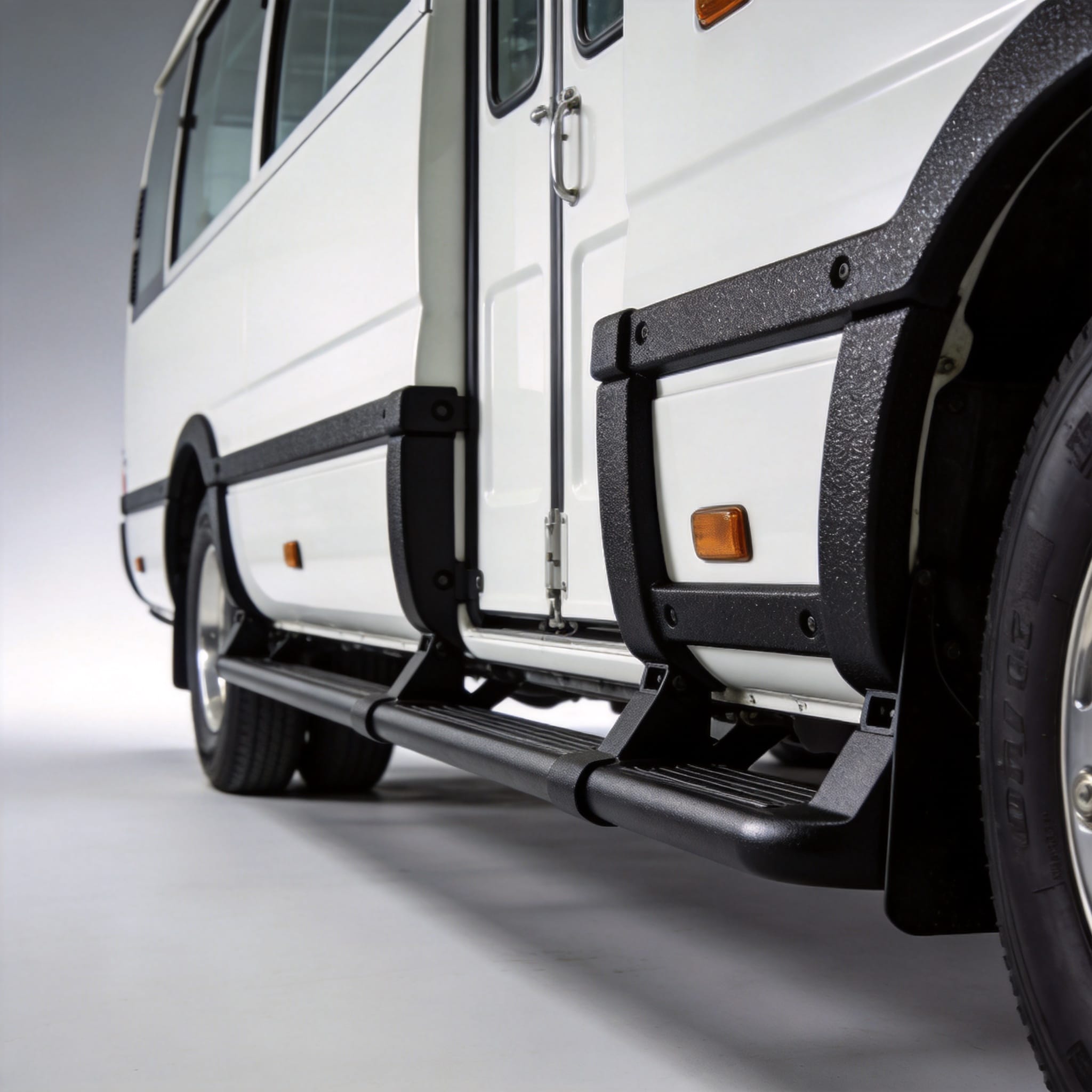
The body and chassis form the skeletal structure of a bus, supporting the weight of passengers, fuel, and cargo while absorbing road stresses. Core bus parts here include the frame rails, crossmembers, suspension assemblies, axles, and body panels. A rigid, well-engineered chassis ensures stability, ride comfort, and safety in the event of collisions or abrupt maneuvers.
Materials choice—such as high-strength steel, aluminum, or composite alloys—affects weight, corrosion resistance, and overall durability. Modern bus designs often feature modular body sections that simplify repairs and part replacements. Suspension components like leaf springs, shock absorbers, and anti-roll bars help distribute loads evenly and cushion passengers from bumps and potholes.
Regular inspections of welds, fasteners, and corrosion-prone areas are vital for preserving structural integrity. Exposure to road salt, moisture, and debris can accelerate rust formation, compromising chassis strength over time. Fleet maintenance should include undercarriage washes, rust-proof coatings, and timely replacement of worn suspension bus parts. By maintaining a sturdy body and chassis foundation, operators protect their investment and ensure every journey remains smooth and safe.
Conclusion: The Importance of Regular Maintenance
Understanding and maintaining the myriad of bus parts—from engines and transmissions to electrical systems and chassis components—is essential for uninterrupted service. Regular inspections and preventive servicing help detect wear before it leads to costly breakdowns, ensuring passenger safety and operational efficiency.
Fleet operators who prioritize a structured maintenance schedule can extend the lifespan of their vehicles, control repair expenses, and uphold high standards of reliability. In the competitive world of public and private transport, proactive attention to essential bus parts can be the key to long-term success and customer satisfaction.


 English
 Русский
 Español
 Français
 Deutsch