
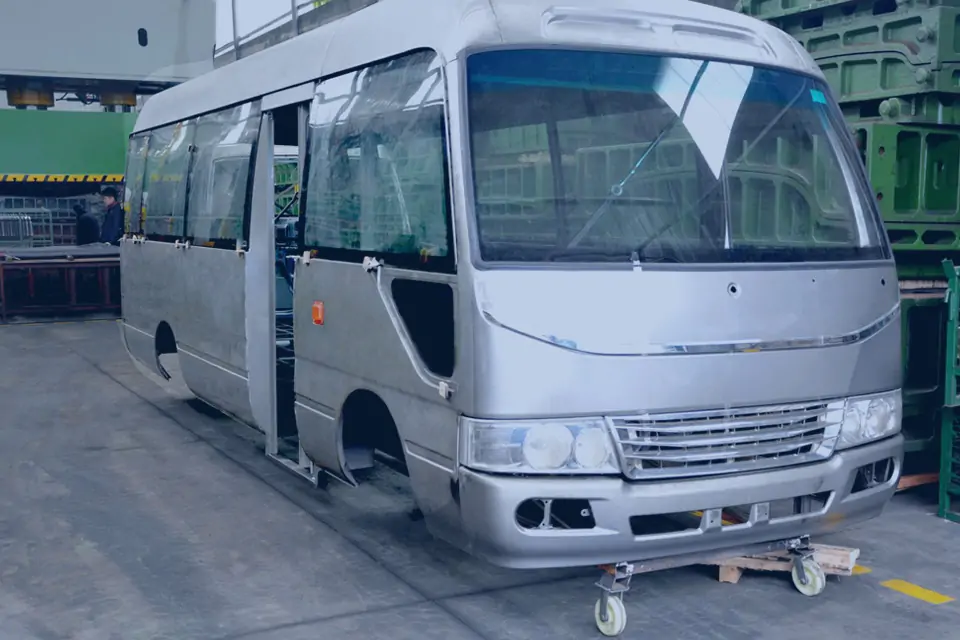
Imagine driving down the highway, a gentle breeze blowing through your hair as you cruise comfortably in your car. Suddenly, you hear a strange noise and feel a vibration from the door beside you. It’s a small reminder of a crucial yet often overlooked component of vehicle safety and comfort: the car door parts. While many of us may not give much thought to them, the evolution of car door parts holds fascinating stories of innovation and engineering that have shaped the vehicles we trust today.
The journey of car door parts from simple metal panels to sophisticated systems involving electronic locks, safety sensors, and noise-canceling seals is a testament to the automotive industry’s relentless pursuit of quality and functionality. Over the years, as car designs have become more intricate and consumer expectations have risen, manufacturers have continuously adapted, ensuring that every component, especially car door parts, meets high standards of durability and performance. This evolution isn’t just about improving aesthetics or user convenience—it’s about enhancing safety, reducing environmental impact, and embracing technological advancements. Let’s delve deeper into the captivating history and future of car door parts, unveiling the secrets behind their remarkable transformation.
The Evolution of Basic Car Door Parts
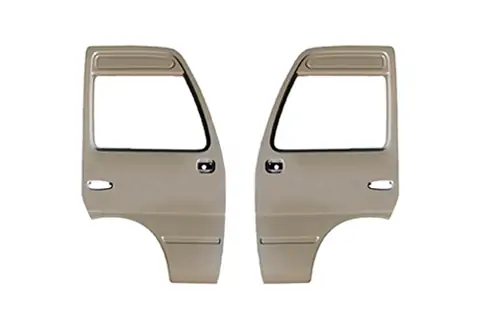
In the early days of automotive design, car door parts were primarily simple, heavy metal slabs bolted onto a vehicle’s frame. These rudimentary doors served the basic function of providing a barrier between occupants and the external environment. There was little attention paid to aerodynamics, convenience, or noise reduction. The focus remained on durability, with thick steel panels offering reasonable protection in the event of minor collisions. Many of these early doors lacked interior trim, leaving mechanical linkages and hinges exposed—an unrefined approach by today’s standards but revolutionary at the time.
As automotive manufacturing techniques advanced, so too did the intricacy of car door parts. The introduction of lighter stamped steel, improved hinge mechanisms, and basic weather stripping marked the first steps toward more refined door assemblies. Engineers began to appreciate that a door’s functionality extended beyond mere enclosure. Comfort, ease of use, and vehicle aesthetics came into play. Interior panels were added, featuring foam padding and vinyl or fabric coverings. Window regulators transitioned from manual crank systems to early electric motors, laying the groundwork for modern power windows. By the mid-20th century, car door parts had evolved from rigid, exposed components into increasingly ergonomic, user-friendly systems—setting the stage for the safety and technological innovations yet to come.
Enhancing Safety Through Advanced Sensors
With automotive accidents remaining a primary concern, advanced sensors have become integral components in modern car door parts. These sensors constantly monitor crash forces, door position, and occupant presence to activate safety measures instantaneously. A collision impact sensor, for example, can deploy side-curtain airbags within milliseconds, minimizing the risk of head and chest injuries. Similarly, door ajar sensors link to the vehicle’s central computer, alerting drivers via dashboard indicators if a door isn’t securely closed—preventing accidental openings during motion.
Advanced proximity sensors also enhance child safety by detecting obstructions in the path of rising windows. When the system senses an object, like a child’s hand, it immediately reverses the window’s direction, preventing injury. Moreover, some manufacturers integrate occupancy sensors into door latches to detect whether occupants have fastened seat belts properly. If a belt remains unbuckled, an audible warning is triggered. Together, these technologies illustrate how modern car door parts go beyond simple barriers—they actively protect occupants and collaborate with other vehicle safety systems to create a holistic approach to crash avoidance and occupant protection.
Noise Reduction Technologies in Modern Car Doors
Driving in comfort is as much about minimizing unwanted sounds as it is about achieving a smooth ride. Modern car door parts play a pivotal role in noise reduction, employing multi-layered seals, specialized foam insulators, and vibration-damping materials. These enhancements keep wind roar, road noise, and engine vibrations at bay, transforming a once-loud cabin into a serene sanctuary. By sealing gaps and utilizing acoustic barriers, automakers create tighter closures that effectively block external noise and prevent it from infiltrating the interior space.
Aside from raw materials, engineering advancements like double-glazed windows and tuned mass dampers have further refined acoustic comfort. Double glazing features two panes of glass with an air or gas layer in between, reducing transmission of sound waves. Meanwhile, tuned mass dampers—small, strategically placed counterweights—neutralize specific vibration frequencies. Together, these innovations demonstrate how evolving car door parts contribute significantly to the overall NVH (Noise, Vibration, Harshness) performance of vehicles, elevating driver and passenger comfort on every journey.
Lightweight Materials for Improved Efficiency
As fuel economy and electric vehicle range become paramount, automakers increasingly turn to lightweight materials in car door parts. Traditional steel, while strong, adds considerable weight. Aluminum and high-strength steel alloys offer comparable rigidity at lower mass. Meanwhile, composite materials—such as carbon fiber-reinforced polymers—push the boundaries of weight reduction and structural integrity. By shedding pounds at the door level, vehicles benefit from reduced inertia, improving acceleration, braking, and handling.
Manufacturers also explore recycled and bio-based composites to align with sustainability goals. For instance, natural fiber reinforcements like flax or hemp can replace synthetic fillers, lowering environmental impact without compromising performance. Adhesive bonding techniques, rather than spot welding, permit thinner panel designs and distribute stress more evenly. These innovations in car door parts reflect a broader industry shift toward lightweighting—maximizing energy efficiency, reducing emissions, and supporting the transition to electrified mobility.
The Role of Car Door Parts in Vehicle Design and Functionality
Beyond safety and efficiency, car door parts are central to brand identity and user appeal. Design elements—such as flush-fitting handles, sculpted character lines, and integrated lighting—communicate luxury, sportiness, or ruggedness. Engineers collaborate closely with stylists to ensure that form and function coexist harmoniously. A door must open with a satisfying click, seal tightly against the elements, and complement the vehicle’s overall aesthetic. This convergence of art and science underscores the multifaceted importance of car door parts in modern automotive design.
Moreover, user functionality features continue to proliferate. Keyless entry modules, fingerprint scanners, and touch-sensitive surfaces elevate convenience while maintaining security. Soft-close mechanisms gently pull doors shut, eliminating slamming noises and reducing stress on latches. Ambient lighting strips embedded in door panels create refined cabin atmospheres. All these features rely on the precise integration of mechanical, electronic, and material technologies. As vehicles evolve into rolling smart devices, car door parts will remain critical interfaces that blend intuitive user experiences with cutting-edge design.
Conclusion: The Ongoing Evolution of Quality Car Door Parts
The trajectory of car door parts—from heavy metal doors to sophisticated, sensor-packed systems—mirrors the automotive industry’s broader advancements in safety, comfort, and efficiency. Every innovation, whether in materials science or electronic integration, reflects a commitment to refining the driving experience and safeguarding occupants.
As consumer expectations and environmental standards continue to rise, car door parts will evolve further, embracing new technologies and sustainable practices. Their story reminds us that even the most seemingly mundane components can drive remarkable progress in the world of mobility.



 English
 Русский
 Español
 Français
 Deutsch