
When was the last time you considered what lies beneath the sleek exterior of your vehicle? For most drivers, the intricate web of vehicle body parts remains a mystery, overshadowed by the more obvious features like the engine and wheels. Yet, understanding these components is crucial—not only for the well-being of your car but also for your safety on the road. Every dent, every wear and tear, carries a story that speaks to the vehicle’s history and condition. Unraveling these secrets can empower you with the knowledge to make informed decisions, whether you’re buying, selling, or simply maintaining your ride.
Imagine the intricate dance of engineering that occurs each time you step into your car; it’s a symphony orchestrated by the seamless interaction of various vehicle body parts. From the rugged strength of the chassis to the aerodynamic finesse of the hood, every component has a distinct role, contributing to overall performance and aesthetics. As we delve deeper into the world of vehicle body parts, you’ll discover insights that could transform the way you interact with your vehicle. Prepare to be enlightened with expert tips and information that will reveal just how crucial these unsung heroes are to your daily commute.
Understanding the Anatomy of a Vehicle Body
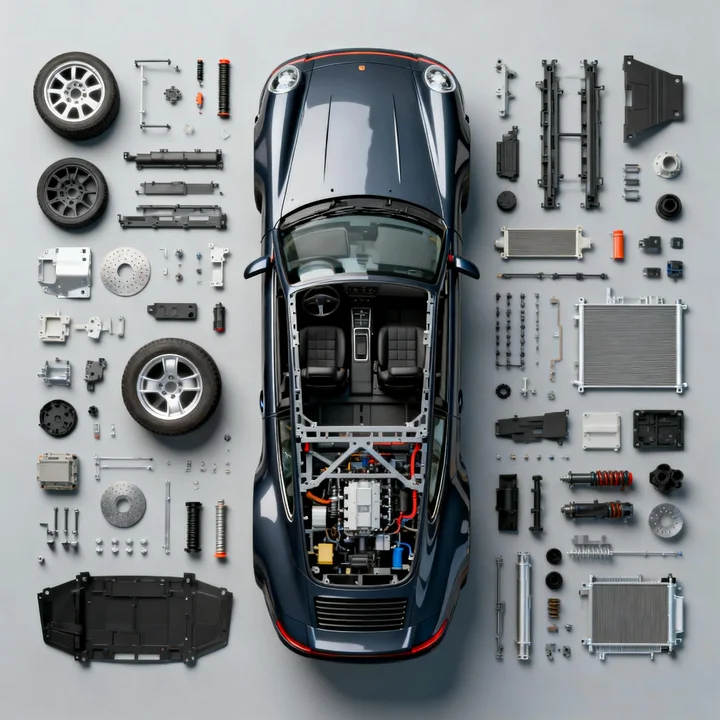
The vehicle body is far more than just a metal shell protecting passengers from the elements; it’s a carefully engineered assembly of parts designed to ensure safety, efficiency, and performance. At its core lies the chassis, the structural backbone that supports the engine, transmission, suspension, and body panels. The chassis is typically made from high-strength steel or aluminum alloys to maximize rigidity while minimizing weight. Attached to this framework are body panels such as fenders, doors, and quarter panels, each stamped and shaped to exact tolerances for proper alignment and fit.
Beneath the visible panels lie additional components that critically influence crashworthiness and structural integrity. Reinforcement beams, crumple zones, and side-impact bars are engineered to absorb and dissipate energy in a collision, reducing the risk of injury to occupants. The roof structure and pillars—commonly referred to as the A, B, and C pillars—form the cabin’s safety cage, maintaining occupant space in the event of a rollover or severe impact. Also integrated into the body are brackets and mounts to secure mechanical systems such as the fuel tank, exhaust, and brake lines. Together, these parts form a cohesive network of vehicle body parts that work in harmony to deliver both function and form.
Impact of Weather and Environment on Body Parts
Vehicle body parts are constantly exposed to environmental stressors—from the scorching sun to driving rain—and these conditions can accelerate deterioration. Ultraviolet (UV) radiation from sunlight breaks down paint and clearcoat layers, leading to fading and chalking of the finish. Over time, the microscopic degradation of paint allows moisture to penetrate, accelerating corrosion on exposed metal bottoms, door sills, and wheel arches. Furthermore, extended exposure to extreme heat can cause plastic components such as bumper covers and moldings to warp or crack.
Conversely, cold climates and road salt present different challenges. Salt and de-icing chemicals are highly corrosive; when trapped in crevices and seams, they can eat away at protective undercoating and bare metal surfaces, causing rust to form. Moisture from snow and slush can find its way into door drains, rocker panels, and frame rails. In coastal regions, salt-laden air promotes surface oxidation on a continual basis. Regular washing, waxing, and application of rust inhibitors can dramatically extend the life of your vehicle body parts by creating a barrier between metal surfaces and corrosive elements.
Signs of Wear and Tear to Watch Out For
Early detection of wear and tear on vehicle body parts can save you costly repairs down the line. The most obvious indicators include visible rust spots, bubbling paint, or chipped and scratched surfaces. Even minor paint chips expose metal to moisture and oxygen, triggering oxidation. Other warning signs are misaligned panels and doors that no longer close smoothly—these might indicate previous body damage or weakened hinges and latch mechanisms. Inspect areas prone to moisture traps, such as around windshield seals, door jambs, and undercarriage seams.
Don’t overlook subtle signs such as fading or discoloration on plastic trim pieces, which may signal UV damage or material fatigue. Listen for unusual rattles or squeaks when driving over bumps; these sounds could originate from loose brackets, worn-out insulation, or deteriorated mounting bushings. Pay attention to any new drafts or leaks during heavy rain—water intrusion around windows or sunroofs can point to failing seals or misaligned frames. By proactively monitoring these indicators, you can address minor issues before they escalate into serious structural or cosmetic damage.
Repair vs. Replacement: Making the Right Decision
When faced with a damaged vehicle body part, the choice between repair and replacement hinges on several factors: the extent of damage, cost implications, and long-term reliability. Minor dents and scratches can often be remedied through paintless dent repair (PDR), which uses specialized tools to gently massage dents from behind the panel without affecting the factory paint. This method is quick, cost-effective, and preserves the original part’s structural integrity. For deeper gouges or rusted-through sections, however, PDR may not suffice.
In cases of severe corrosion, cracks, or complex damage, replacement becomes the more viable route. OEM (Original Equipment Manufacturer) parts guarantee proper fit, finish, and material quality, but they come with a higher price tag. Aftermarket panels can offer significant savings, though quality varies between manufacturers. Always consider labor costs—removing and installing a new quarter panel or door may require disassembly of adjacent parts, painting, and alignment adjustments. Weigh the overall repair cost against the vehicle’s value. For older models with extensive damage, replacement might not be justifiable, making professional repair and rust treatment a better compromise to extend service life.
Eco-Friendly Practices in Dealing with Vehicle Body Parts
Environmental responsibility is increasingly important in automotive maintenance. Recycling and refurbishing vehicle body parts not only reduce waste but also conserves energy and raw materials. Salvage yards and certified recyclers can reclaim steel, aluminum, plastic, and composite materials from decommissioned vehicles, feeding them back into production cycles. Choosing recycled or remanufactured body panels and trim pieces is an eco-conscious way to perform repairs while lowering your carbon footprint.
Another green practice involves using low-VOC (volatile organic compound) paints, primers, and clearcoats during repainting and refinishing. Traditional automotive paints release harmful solvents into the atmosphere, contributing to air pollution and posing health hazards. Waterborne paint systems drastically reduce VOC emissions without compromising durability or color-matching capabilities. Additionally, opt for biodegradable cleaners and degreasers when prepping surfaces. Proper disposal of old paints, solvents, and contaminated rinse water through hazardous waste facilities ensures that toxic chemicals won’t leach into soil and waterways, supporting a cleaner environment for everyone.
Conclusion: Embracing the Secrets and Significance
Understanding the hidden world of vehicle body parts empowers you to maintain safety, preserve value, and make eco-friendly choices for your car. From the foundational chassis to protective coatings, each component plays an integral role in performance and durability.
By recognizing early signs of wear, balancing repair versus replacement, and adopting sustainable practices, you’ll not only extend your vehicle’s lifespan but also contribute to a healthier planet. Embrace these insights and let every drive become a testament to informed care and responsible stewardship of your vehicle.