

Imagine cruising down the highway, feeling the wind in your hair and the hum of the engine beneath you. Suddenly, your focus shifts as traffic halts unexpectedly. In moments like these, your vehicle’s car bumper isn’t just a piece of metal; it’s a critical component standing between you and potential disaster. As we glide into 2023, car bumpers are undergoing a remarkable transformation, blending cutting-edge safety features with sleek design elements that redefine how we perceive automobile aesthetics and safety.
This year, car bumper innovation is at the forefront of automotive engineering, marrying technology with style in ways we could only dream of a decade ago. From advanced materials that absorb impact with unprecedented efficiency to sensors that communicate with your vehicle’s system to mitigate collisions before they occur, the evolution of car bumpers is nothing short of revolutionary. Join us as we delve into the latest advancements that not only enhance your vehicle’s appearance but also ensure greater protection for you and your loved ones on the road.

Evolution of Car Bumpers: From Past to Present
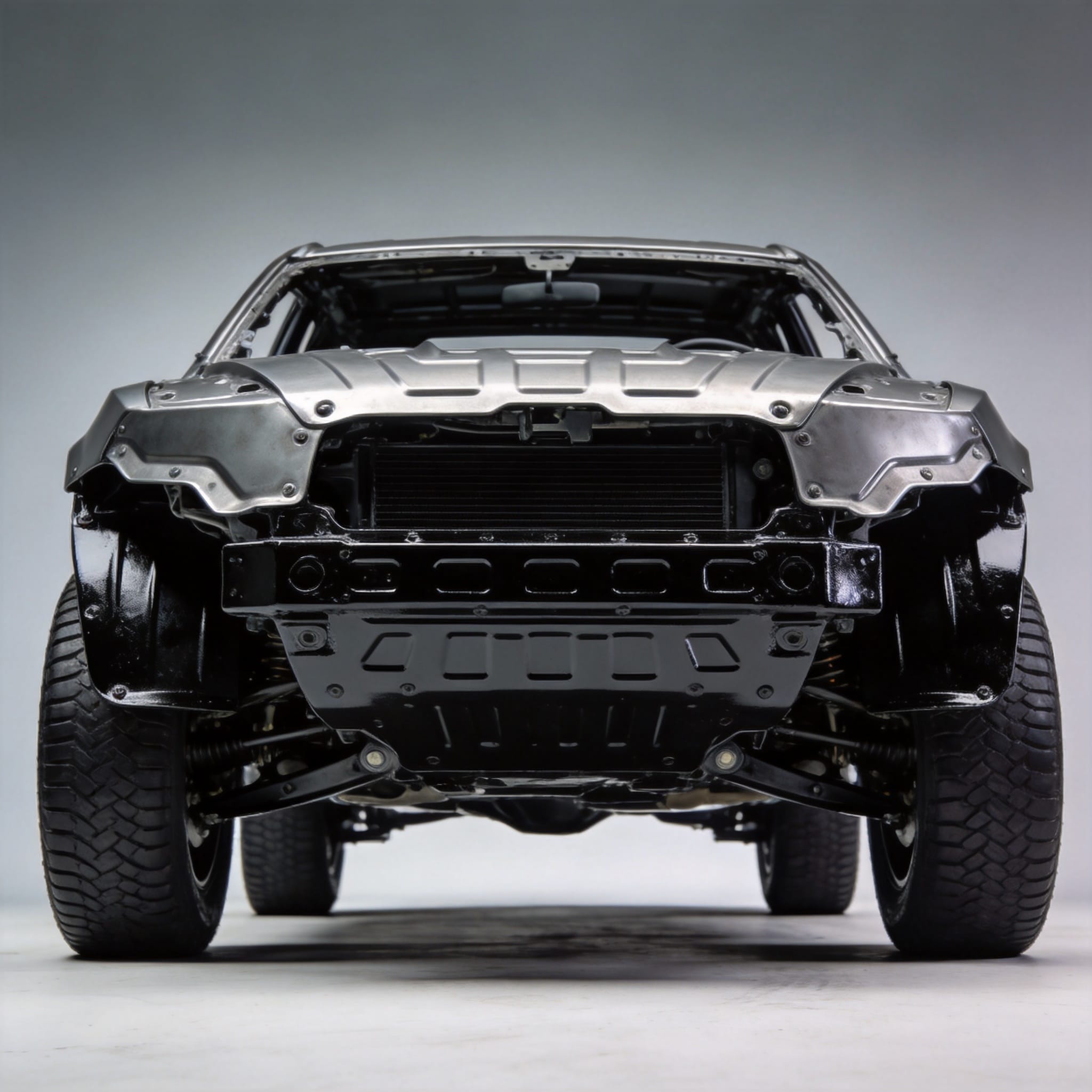
In the earliest days of the automobile, bumpers were rudimentary bars affixed to the front and rear of vehicles, primarily designed to protect the bodywork from low-speed scrapes. These simple steel or chrome-plated bars offered little in terms of energy absorption, often transferring collision forces to the chassis. By the 1950s and 1960s, bumpers had grown in size and weight, featuring hefty chrome-plated steel that prioritized durability over style, leading to increased vehicle weight and compromised fuel economy.
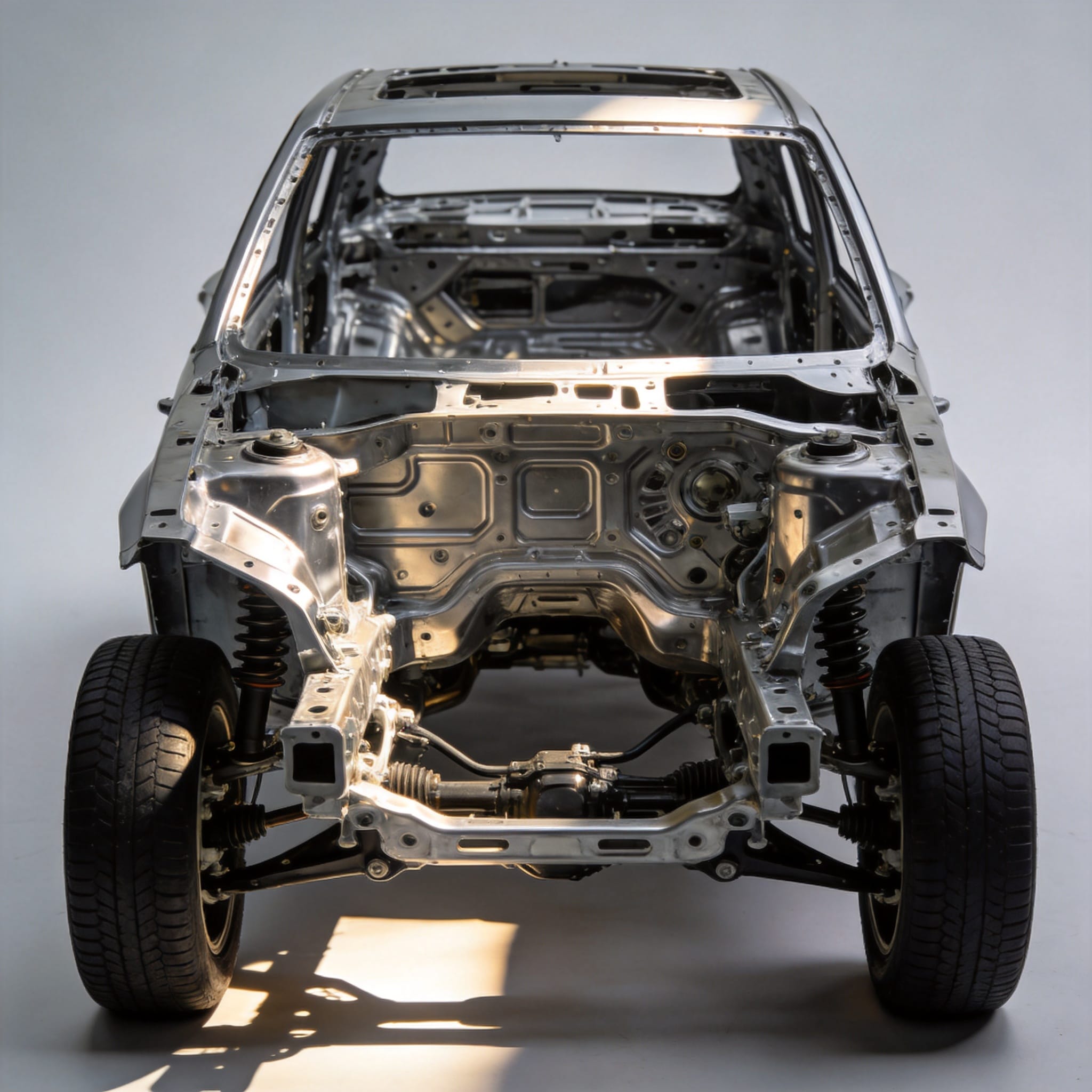
The 1970s ushered in a shift toward lighter materials and integrated designs. Plastic fascia covers blended form with function, concealing energy-absorbing foam or honeycomb structures behind them. As safety regulations stiffened in the 1980s and 1990s, car bumpers evolved further, incorporating crash boxes and crush zones to dissipate impact energy. Today, modern bumpers employ composite materials—high-strength steel, aluminum, and thermoplastic polymers—engineered through computer simulations to optimize stiffness and energy absorption.
Contemporary designs marry structural integrity with aesthetic flair. Automakers now sculpt bumpers as integral elements of brand identity, seamlessly blending sensors, lighting modules, and air intakes. This convergence of form and function illustrates how far car bumpers have come since their humble beginnings, setting the stage for the advanced innovations we explore throughout 2023.
Integration of Sensors for Collision Avoidance
One of the most transformative trends in car bumper innovation is embedding sensors directly into the bumper fascia to enable collision-avoidance systems. Ultrasonic sensors, radar modules, and even lidar emitters now reside behind discrete grille and bumper apertures, allowing vehicles to “see” objects in close quarters. These sensors feed data to onboard computers, triggering warnings or autonomous braking when an obstacle is detected.
Radar-equipped bumpers excel at long-range detection, scanning for vehicles and pedestrians in the driver’s path, while ultrasonic sensors manage low-speed maneuvers—think parking and tight urban navigation. By integrating these technologies, car bumpers have become dynamic safety systems, proactively reducing the likelihood of fender benders and more serious collisions. As sensor miniaturization advances and artificial intelligence refines object recognition, future bumpers will sense and react with even greater speed and accuracy.
Moreover, combining multiple sensor types yields a robust, 360-degree awareness. A car bumper delivering synchronized radar, ultrasonic, and camera inputs supports advanced driver-assistance features like automatic emergency steering and cross-traffic alerts. This multi-layered approach to collision avoidance exemplifies how a once-passive component has evolved into an active guardian, significantly enhancing on-road safety.
Impact of Aerodynamics on Bumper Innovation
Aerodynamics play a pivotal role in modern car bumper design, influencing fuel economy, stability, and overall performance. Engineers leverage wind tunnel testing and computational fluid dynamics (CFD) to refine bumper shapes, optimizing airflow around the vehicle’s front and rear. Smooth bumper contours reduce drag, while strategically placed air ducts and vents channel cooling air to radiators and brake assemblies.
Active aerodynamic elements—such as grille shutters that open or close depending on speed and engine temperature—further enhance efficiency. In performance vehicles, air curtains sculpted into the bumper corners direct airflow around the wheels, minimizing turbulence. This synergy between form and function illustrates the dual mandate of 2023-era bumpers: deliver sleek, striking lines while reducing aerodynamic drag coefficients to meet stringent fuel-economy and emissions targets.
Beyond efficiency gains, aerodynamic bumpers improve high-speed handling by increasing front-end downforce, keeping the vehicle planted on the road. As electric vehicles rise to prominence, aerodynamic bumper innovation becomes even more critical, extending driving range and preserving battery life. Ultimately, the integration of aerodynamic principles into bumper design underscores the holistic approach automakers take to marry style, safety, and performance.
Regulations Driving Changes in Bumper Technology
Stringent safety and pedestrian-protection regulations worldwide are powerful catalysts for bumper innovation. In the United States, the Federal Motor Vehicle Safety Standard (FMVSS) 215 mandates specific low-speed impact performance, compelling manufacturers to engineer bumpers that minimize damage in 2.5 mph and 5 mph collisions. Europe’s General Safety Regulation and pedestrian-impact rules require bumpers to cushion blows to vulnerable body regions, driving the adoption of energy-absorbing foam layers and deployable outer covers.
Beyond crash tests, rating programs like Euro NCAP and IIHS influence bumper development by rewarding high-scoring vehicles with robust safety features. To achieve top ratings, automakers invest in advanced bumper structures that meet or exceed regulatory thresholds. Emerging markets add additional complexity: regulations in China, India, and South America vary, requiring adaptable bumper platforms that can be tailored to regional safety standards without extensive redesign.
Looking ahead, evolving requirements for autonomous vehicles will further shape bumper technology. Regulatory bodies are exploring standards for sensor performance and system reliability, ensuring collision-avoidance features embedded in bumpers meet minimum accuracy and response-time criteria. In this landscape of ever-tightening regulations, innovation in materials, structure, and embedded electronics will continue to accelerate.
Maintenance Tips for Ensuring Bumper Effectiveness
Maintaining your car bumper’s performance goes beyond cosmetic appeal—it preserves critical safety functions. Regular inspections are the first line of defense: check for cracks, loose fittings, or signs of impact damage. Even minor dents can impair sensor alignment, reducing the accuracy of collision-avoidance systems. A quick visual exam every few weeks prevents small issues from escalating.
Cleaning is equally important. Use a gentle automotive cleaner and microfiber towels to remove dirt, road debris, and salt buildup that can corrode metal and degrade plastic components. Pay special attention to sensor apertures; ensure lenses and radar surfaces remain free of obstructions to avoid false readings or system errors. In winter months, clear snow and ice promptly to prevent sensor blockage.
For scratches or chipped paint, apply touch-up kits or protective film to seal exposed substrates. If you suspect structural damage after a collision—no matter how minor—visit a professional body shop. Technicians can realign sensor modules and recalibrate systems using OEM diagnostic tools, ensuring your car bumper continues to function as designed. Routine maintenance extends the lifespan of both the bumper and its integrated safety technologies, keeping you protected mile after mile.
Conclusion: The Promising Future of Car Bumper Innovation
As we look toward the rest of 2023 and beyond, car bumpers will continue to evolve at the intersection of safety, style, and technology. From smart materials that self-heal to AI-driven collision prediction, the next generation of bumpers promises to make our roads safer and our vehicles more efficient.
In a world where every detail matters, your car bumper has transcended its humble origins to become a sophisticated guardian. By embracing these innovations, you’re not only revamping your vehicle’s appearance but also investing in advanced protection for every journey.

 English
 Русский
 Español
 Français
 Deutsch