Imagine cruising down the open road, the wind in your hair, and your favorite tunes playing. It’s one of life’s simple joys – until an unexpected bump or scrape leaves your vehicle’s passenger door frame worse for wear. Suddenly, that idyllic drive becomes a source of concern. Whether it’s due to a minor accident or simply the wear and tear of daily use, a damaged door can compromise not only the aesthetics of your car but also its safety and functionality.
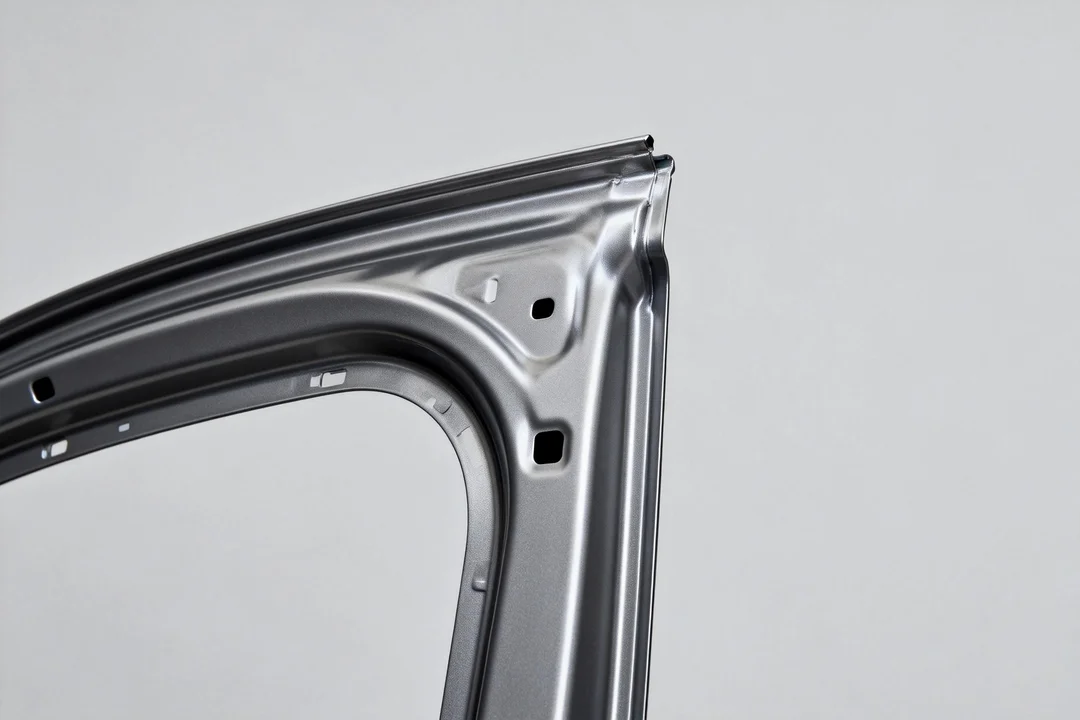
Enter the world of OEM Passenger Door Frame replacements. Opting for Original Equipment Manufacturer components ensures that you maintain the integrity and value of your vehicle. These frames are designed to flawlessly match the original specifications, providing a seamless fit and finish. Investing in quality OEM parts means you’re safeguarding your investment while continuing to enjoy every drive with peace of mind. In this blog post, we’ll delve into why choosing OEM is the best decision for those looking to restore their vehicle to its former glory.

Benefits of OEM Passenger Door Frame Replacements
When it comes to restoring your vehicle after damage, choosing an OEM Passenger Door Frame replacement offers unmatched benefits that aftermarket options simply can’t replicate. First and foremost, OEM frames are engineered to the exact specifications of your vehicle’s original design. This precise fit means fewer alignment issues, smoother operation of the door, and consistent panel gaps that preserve your car’s factory look. Whether you’re rolling into a car show or just parking in the driveway, the seamless appearance of an OEM installation is immediately noticeable.
Beyond aesthetics, OEM Passenger Door Frame components deliver superior durability and safety performance. These parts undergo rigorous testing by the vehicle manufacturer to meet crash standards, corrosion resistance criteria, and long-term wear specifications. Aftermarket door frames may look similar, but they often lack the same material quality or welding techniques, which can compromise structural integrity over time. With OEM, you’re investing in a component that has already proven its reliability under demanding conditions.
Finally, using an OEM Passenger Door Frame can directly impact your vehicle’s resale value. Prospective buyers and dealerships recognize and reward cars with factory-installed parts. Documentation of OEM replacements in service records helps maintain transparency in your vehicle history, which in turn builds trust and can boost trade-in or private sale prices. In essence, the upfront investment in OEM parts can pay for itself by preserving both performance and market value.
Understanding the Difference Between OEM and Aftermarket
OEM (Original Equipment Manufacturer) and aftermarket parts may seem interchangeable at first glance, but the distinction between them is significant. OEM Passenger Door Frame units are produced by the same manufacturer that supplied the original parts for your vehicle’s assembly line. They adhere to strict quality controls and undergo extensive compatibility testing to ensure perfect integration with existing panels, seals, and hardware.
Aftermarket options, on the other hand, are produced by third-party suppliers who often reverse-engineer parts based on visible measurements and assumptions. While some aftermarket frames can meet or even exceed OEM standards, many cut corners in materials or manufacturing processes to compete on price. This trade-off can lead to misalignments, fitment gaps, and potential long-term durability issues. Knowing these differences is crucial when deciding how to best restore your vehicle’s passenger door frame.
Ultimately, the decision between OEM and aftermarket hinges on your priorities: budget versus confidence in fit and finish. OEM Passenger Door Frame replacements carry a premium cost, but that cost buys you peace of mind, warranty support, and consistent performance. Aftermarket frames may save money upfront, but they often lack the same level of backing from vehicle manufacturers and may require additional adjustments or replacements down the road. In the next sections, we’ll focus on how to select the right OEM component and ensure a seamless installation.
Factors to Consider When Selecting OEM Door Frames
Choosing the correct OEM Passenger Door Frame involves more than simply matching your vehicle’s make and model. It’s essential to verify the part number, trim level, and production date to ensure compatibility. Even slight variations in door frame design can lead to fitment issues. Your vehicle’s VIN (Vehicle Identification Number) is the most accurate way to pinpoint the exact OEM part required. Many dealerships and certified suppliers can cross-reference this number to confirm you’re ordering the precise component for your car.
Next, consider the material and finish of the OEM assembly. Most manufacturers use high-strength steel or aluminum alloys treated with anti-corrosion coatings. Ensuring your replacement frame has the same protective treatments helps maintain structural integrity and appearance over time. Additionally, inspect warranty coverage: reputable dealers and OEM suppliers typically offer limited warranty periods that cover defects and installation issues. This safety net further underscores the value of investing in genuine parts.
Finally, source your OEM Passenger Door Frame from authorized dealers or certified distributors. While it may be tempting to purchase from online marketplaces or salvage yards, you risk acquiring a part that’s been recalled, damaged, or improperly stored. Authorized sources guarantee authenticity and often provide documentation, packaging, and installation guides directly from the manufacturer. By prioritizing quality and authenticity, you’ll streamline your repair process and avoid costly rework or future replacements.
Installation Process for OEM Passenger Door Frames
Installing an OEM Passenger Door Frame requires careful attention to detail to maintain factory tolerances and functionality. The process begins with the safe removal of any interior trim panels, weather seals, and hardware attached to the damaged door. It’s crucial to document the placement of screws, clips, and wiring harnesses to ensure accurate reassembly. Disconnect the battery and any electrical connectors to the door before proceeding to protect electronic components.
Once the old frame is detached, prepare the mounting surfaces by cleaning away rust, adhesive residue, and debris. This ensures a flush, rock-solid bond when welding or bolting the new OEM Passenger Door Frame into place. Proper alignment tools, such as door stands and gap gauges, help achieve that factory-perfect fit. With the frame loosely secured, inspect the panel gaps along the roofline, rocker panel, and fender to match the manufacturer’s specifications. Only then should you tighten all fasteners to the recommended torque settings, following your vehicle’s service manual guidelines.
After the frame is installed, reattach all components—wiring harnesses, window regulators, latch assemblies, and weatherstripping. Adjust the door hinges and striker plate as needed to ensure smooth opening and closing without binding. Finally, test electrical functions like power windows and central locking to confirm everything operates correctly. A thorough inspection and test drive validate the integrity of your installation, leaving you with a fully restored, factory-grade passenger door.
Maintaining Your Vehicle’s Value with OEM Components
Using OEM Passenger Door Frame replacements isn’t just about restoring appearance and functionality—it’s a strategic choice to safeguard your vehicle’s long-term value. Vehicles with documented OEM repairs tend to command higher resale prices because buyers recognize the reliability and authenticity of factory parts. Furthermore, maintaining service records that highlight OEM installations demonstrates meticulous care, which builds confidence among prospective buyers or dealerships.
Regular maintenance of your door frame and adjacent components can extend their lifespan. Periodically clean and lubricate door hinges, inspect weatherstrips for cracks, and address minor paint chips promptly to prevent corrosion. When damage does occur, opting for an OEM replacement rather than an aftermarket workaround preserves your car’s integrity. Over time, these best practices can mitigate the need for extensive bodywork, saving you money and maintaining a cleaner service history.
In addition, keeping all invoices and warranty documents related to OEM parts adds a layer of transparency. Should you decide to trade in or sell, presenting these records signals to buyers that your vehicle has been maintained by manufacturer standards. This professional approach not only maximizes your vehicle’s market value but also enhances your overall ownership experience by ensuring that every component, from the door frame to the bumper, meets the high bar set by original equipment manufacturers.
Conclusion: Why OEM Passenger Door Frame Replacement is Essential
Choosing an OEM Passenger Door Frame replacement ensures that you maintain factory-grade fit, finish, and safety—qualities that aftermarket options often struggle to replicate. From precise compatibility and rigorous quality standards to warranty protection and resale value, OEM components deliver unmatched peace of mind for any vehicle owner.
By investing in genuine parts and professional installation, you preserve your car’s integrity and protect your long-term investment. Whether you’re correcting cosmetic damage or restoring structural strength after a collision, the decision to use OEM replacements underlines your commitment to quality and reliability.