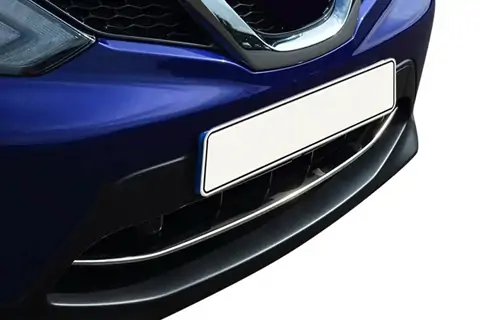
Car bumpers are designed to absorb impact in a collision, protecting the vehicle’s structure and reducing the risk of injury to occupants. They serve as the first line of defense in minor accidents, preventing more costly damage to the car’s frame and engine. Additionally, bumpers play an aesthetic role, contributing to the car’s overall design and curb appeal. A well-maintained bumper can enhance the vehicle’s overall look and even increase its resale value. Therefore, understanding the different types of bumpers and their specific functions is essential for making informed decisions about your vehicle’s maintenance and upgrades.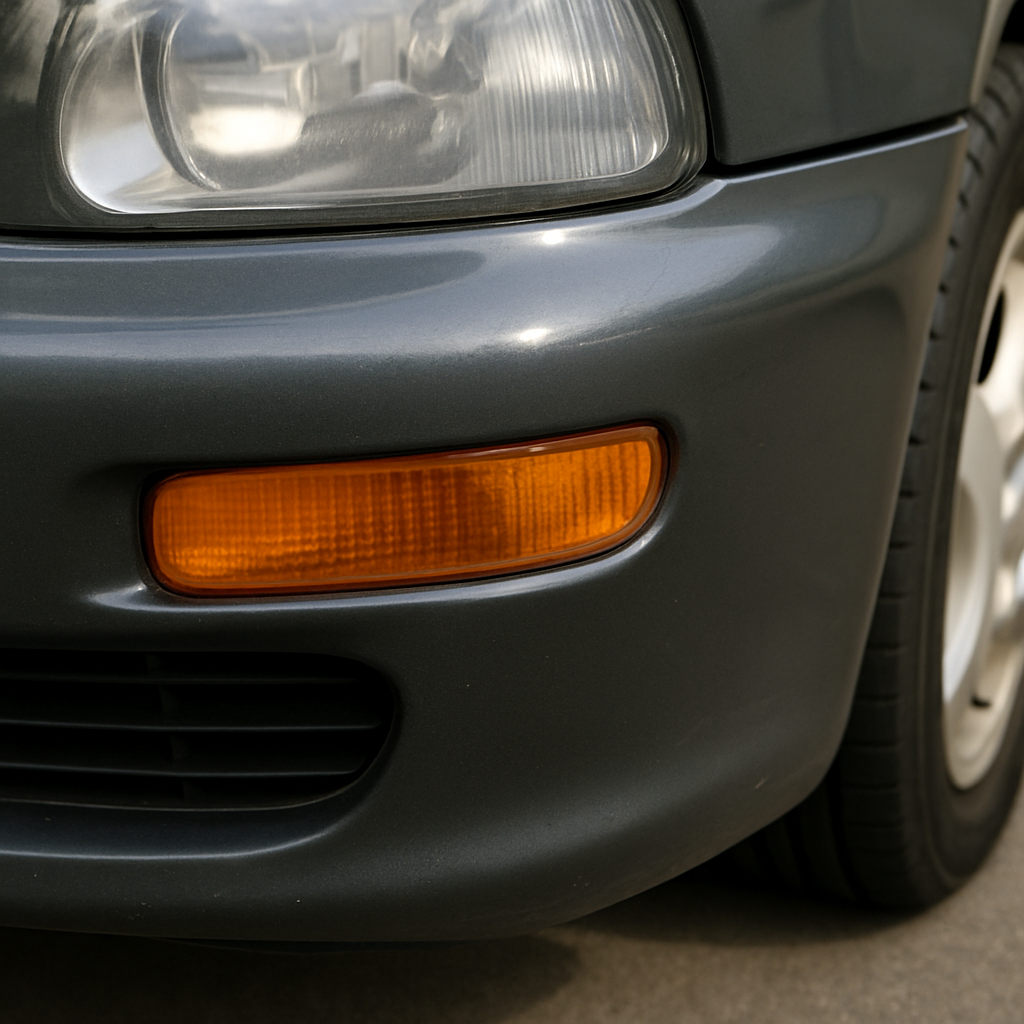
Types of Car Bumpers
There are several types of car bumpers, each with its own benefits and drawbacks. Understanding these can help you choose the best bumper for your needs and driving habits. Here’s a breakdown of the most common types:
- Plastic Car Bumpers: Lightweight and cost-effective, plastic bumpers are commonly used in modern vehicles. Their flexibility and ease of molding allow manufacturers to create a wide variety of designs, appealing to different aesthetic preferences. However, they can be more prone to damage, such as cracking or denting, and might not offer as much protection as other materials. Despite this, their affordability and versatility make them a popular choice for many car owners.
- Steel Bumpers: Known for their durability and strength, steel bumpers offer superior protection in collisions. They are often used in larger vehicles like trucks and SUVs, where additional weight is less of a concern. While they provide better impact resistance, they are heavier and may affect fuel efficiency, leading to higher costs over time. Nonetheless, for those who prioritize safety and robustness, steel bumpers remain an excellent option.
- OEM Car Bumpers: Original Equipment Manufacturer (OEM) bumpers are made by the vehicle’s manufacturer. They ensure a perfect fit and maintain the vehicle’s original look, which is crucial for those who wish to retain the car’s authenticity. However, they can be more expensive compared to aftermarket options, and availability might be limited for older models. Despite the higher cost, OEM bumpers are often preferred for their quality assurance and precise compatibility.
- Aftermarket Car Bumpers: These are made by third-party manufacturers and often offer customization options. They can be more affordable than OEM bumpers but may not always fit as perfectly. Nevertheless, they provide an opportunity for personalization and can be tailored to specific preferences or needs. When considering aftermarket bumpers, it’s important to research the manufacturer to ensure quality and reliability.
When to Replace Your Car Bumper
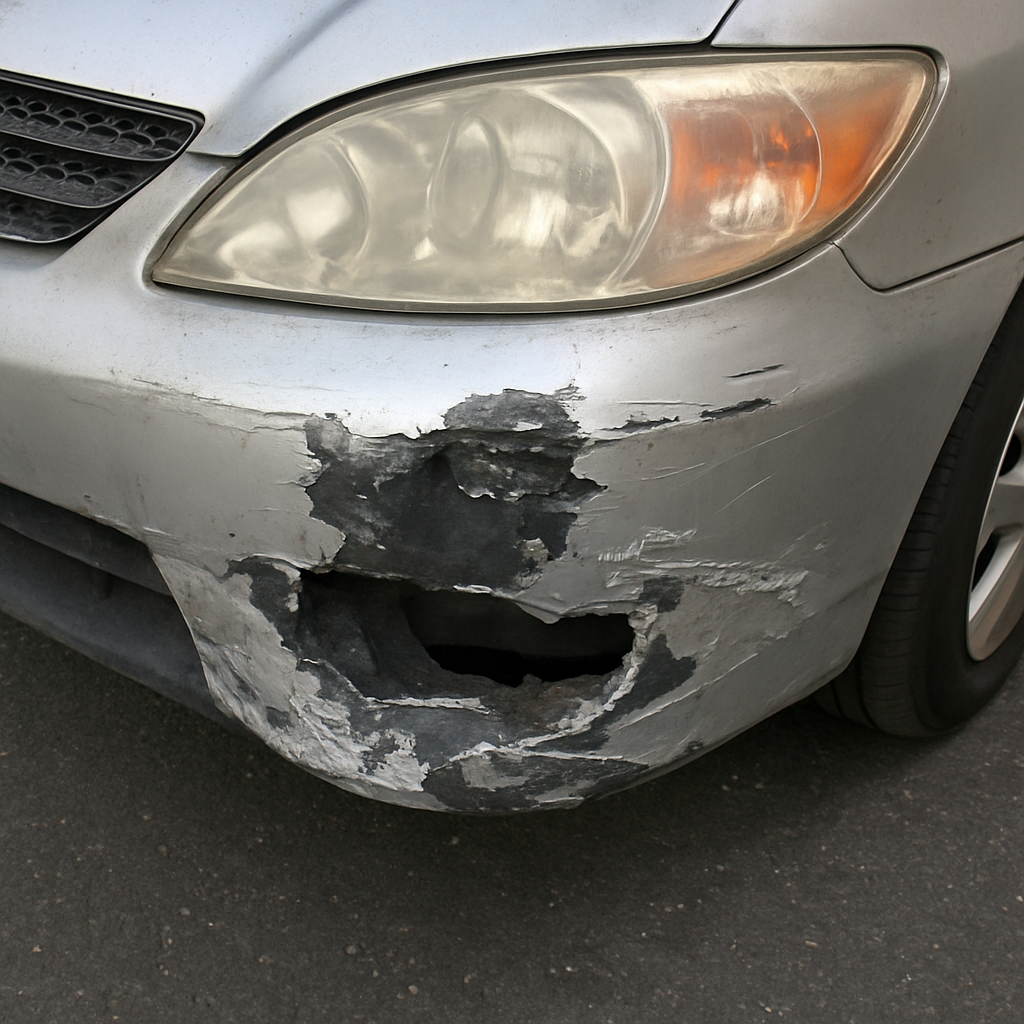
Knowing when to replace your car bumper is crucial for safety and performance. A damaged bumper not only affects the appearance of your vehicle but can also compromise its structural integrity. Here are some scenarios where a replacement might be necessary:
- Collision Damage: If your bumper has been significantly damaged in an accident, replacement is often the best option. Cracks, dents, and misalignment can affect the bumper’s ability to absorb impact, leaving the vehicle vulnerable in future incidents. Additionally, a damaged bumper can lead to more extensive damage to other parts of the car if not addressed promptly. Seeking professional advice after an accident can help determine if a replacement is necessary.
- Aesthetic Upgrades: Sometimes, a new bumper is purely for style. Upgrading to a more modern or rugged design can change the look of your vehicle. Whether you’re looking to enhance your car’s appearance or match it to your personal style, a new bumper can make a significant difference. This is especially true if you’re preparing your car for sale, as a fresh, stylish bumper can improve its marketability.
- Wear and Tear: Over time, exposure to the elements can cause your bumper to fade or crack. Replacing it can restore your vehicle’s appearance and prevent further deterioration. Environmental factors such as sun exposure, moisture, and road debris can all contribute to the gradual wear of your bumper. Regular inspections can help catch these issues early, allowing for timely replacements and maintaining your vehicle’s aesthetic appeal.
Choosing the Right Replacement
When it comes to replacing your bumper, several factors should be considered to ensure you choose the right one for your vehicle. From the type of bumper to its material, each decision impacts the functionality and look of your car.
Front Bumper vs. Rear Bumper Replacement
When replacing a bumper, consider whether you need a front or rear replacement. Front bumpers are typically more exposed and may sustain more damage, especially in frontal collisions or minor fender benders. In contrast, rear bumpers are crucial for protection during rear-end collisions, which can occur in heavy traffic or parking scenarios. Assessing the location and extent of damage will guide you in choosing the appropriate replacement, ensuring your vehicle remains protected from future impacts.
Material Considerations
The material of your replacement bumper is an important factor. Different materials offer varying levels of protection, aesthetics, and cost, so it’s essential to weigh these aspects carefully.
- Plastic vs. Steel: If you prioritize lightweight design and cost, plastic might be the way to go. Its versatility and affordability make it suitable for everyday driving and urban environments. However, if durability and protection are your main concerns, especially for off-road or heavy-duty use, steel is a better choice. Steel bumpers provide enhanced safety features, though at the cost of increased weight and potentially higher fuel consumption.
- Compatibility: Ensure the material matches your vehicle’s needs. For instance, a heavy steel bumper may not be suitable for smaller cars, as it can affect performance and handling. On the other hand, a lightweight plastic bumper might not provide sufficient protection for larger vehicles frequently used in rugged conditions. Consider your vehicle’s typical usage and environment to select the most compatible material.
OEM vs. Aftermarket
Deciding between OEM and aftermarket bumpers depends on your priorities. Each option has its advantages and potential drawbacks, so understanding your goals will help in making the right choice.
- OEM: Choose OEM if you want a guaranteed fit and the original look. This is ideal for maintaining your vehicle’s resale value and ensuring all components work seamlessly together. OEM bumpers are often considered more reliable due to their precise manufacturing standards and compatibility. However, the higher cost can be a deterrent for some buyers.
- Aftermarket: Opt for the aftermarket if you’re looking for customization or a budget-friendly option. These bumpers can offer unique designs and features not available with OEM products. However, it’s crucial to research the manufacturer to ensure the bumper meets safety standards and fits properly. The potential for lower quality or poor fitment is a risk, but diligent research can help mitigate these concerns.
Installation and Repair Considerations

Whether you’re replacing a bumper yourself or hiring a professional, consider these factors to ensure the job is done correctly and efficiently.
- DIY vs. Professional Installation: If you’re handy, you might be able to replace the bumper yourself with the right tools. This can be a cost-effective option if you have the necessary skills and equipment. However, professional installation ensures a proper fit and alignment, which is crucial for safety and appearance. Mistakes during installation can lead to additional costs or compromised vehicle safety, so weigh the risks and benefits of each approach.
- Bumper Repair Parts: Sometimes, a complete replacement isn’t necessary. Bumper repair parts, like filler panels and impact absorbers, can restore functionality without a full replacement. This option can save money and time, especially if the damage is minor. Consulting with a professional can help determine if repair parts are a viable solution for your specific situation.
- Cost Implications: Consider the cost of the bumper itself and the installation. While aftermarket bumpers can be cheaper, factor in any potential additional costs for fitting and painting. Hidden costs, such as the need for custom brackets or additional components, can add up quickly. By budgeting for these potential expenses upfront, you can avoid surprises and ensure the replacement process goes smoothly.
Conclusion
Choosing the right replacement car bumper involves considering various factors, from material and type to installation. By understanding these elements, you can make an informed decision that enhances both the safety and aesthetics of your vehicle. Whether you’re seeking to restore your car to its original state or personalize it with a new look, the right bumper is out there waiting for you. Prioritize safety, fit, and budget to ensure your choice aligns with your needs and vehicle specifications.
In the ever-evolving world of car body parts, staying informed is key to making the right choice. As advancements continue to emerge in materials and design, keeping up with industry trends can help you make decisions that offer the best value and performance for your vehicle. Happy driving!